
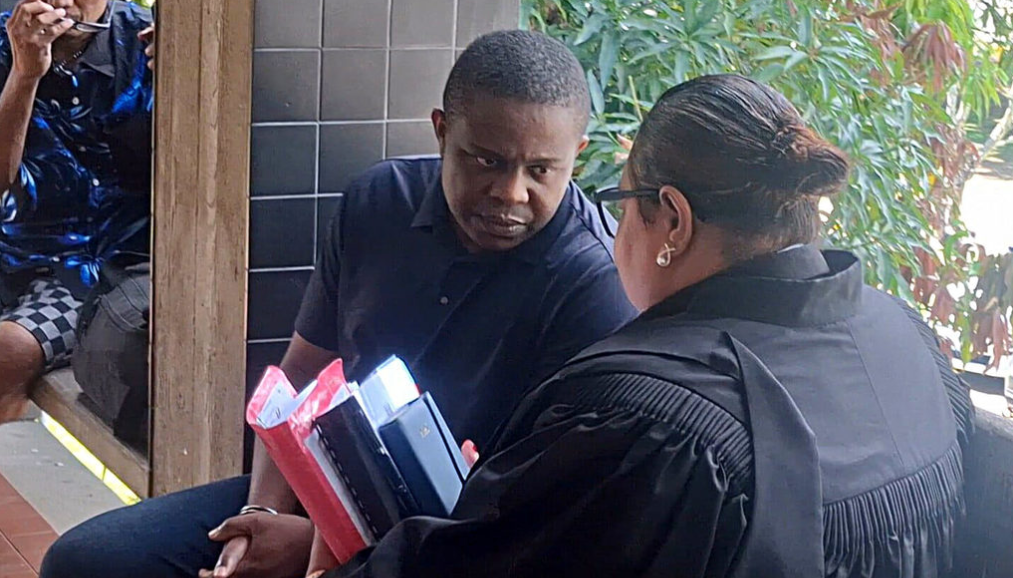
The High Court has ruled that a Nigerian man accused of importing nearly five kilograms of methamphetamine must be allowed to inspect the mobile phone at the centre of the prosecution’s case, saying the move is necessary to protect his right to a fair trial.
In a ruling delivered on July 20, Justice Aruna Aluthge granted an application by Chukwuemeka Phabian, who sought access to the phone belonging to prosecution witness Viliame Nalagi, an alleged accomplice who was later granted immunity.
The prosecution intends to rely on communications extracted from Nalagi’s phone to allege that Phabian is the person identified as “Pastor Thomas” in conversations linked to the alleged importation of 4.8685 kilograms of methamphetamine. Phabian denies both the charge and that he is “Pastor Thomas.”
Justice Aluthge said the existing disclosure framework in Fiji does not adequately address electronic evidence and highlighted the importance of ensuring digital evidence can be independently verified.
He ruled that digital evidence is vulnerable to alteration and that the defence is entitled to inspect the device to test its authenticity and integrity.
“Adopting an explicit disclosure and forensic inspection framework for digital devices is crucial to prevent miscarriages of justice.”
The judge also found that the prosecution’s disclosure of extracted data on a USB did not remove its obligation to ensure the defence could properly examine the evidence.
He said denying access would prejudice the accused’s fair trial rights more than it would affect the privacy interests of the immunity witness.
However, Justice Aluthge limited the inspection to communications directly relevant to the criminal charge, saying the defence must not be allowed to conduct a “fishing expedition” through the witness’s private data.
The inspection is to be carried out at a controlled location under the supervision of the Fiji Police Digital Forensics Unit.

