FOR Apenisa Seniloli, leadership is never about being the person in charge.
It is about creating opportunities for others to grow, listening to different perspectives and bringing people together to achieve a common purpose.
Now serving as Senior Assistant Roko Tui Tailevu, at the Tailevu Provincial Council office in Nausori, Mr Seniloli brings to his role more than three decades of corporate experience and the leadership lessons gained through Leadership Fiji’s Class of 2010.
His career is a journey from the banking sector to provincial administration, shaped by a belief that effective leadership begins with people.
Mr Seniloli spent 31 years with ANZ Bank, steadily progressing through the organisation after joining as a Data Input Clerk in 1992. By 2022, he had risen to become Head of ANZ Digital Banking, a career milestone that reflected years of experience, growth and adaptation in a changing industry.
His transition into provincial administration brought a different set of responsibilities, but the principles guiding his approach to leadership remained the same.
“I believe the most important quality of a great leader is the ability to empower others,” he says.
“A strong leader listens, builds trust, and helps people grow – not just by giving direction, but by making space for others to contribute and take ownership. When people feel valued and supported, the whole team becomes more capable and resilient.
For Mr Seniloli, leadership is measured not simply by the position one holds, but by the ability to bring out the best in others.
Lessons in listening and trust
One of the most important lessons he has learned over the years is that good decisions alone are not enough. People need to understand the reasons behind them.
“Even a sound plan can lose trust if people don’t know why it was made or how it affects them. It’s better to explain the reasoning early, invite questions, and listen to concerns,” he says.
It is a lesson that continues to influence how he works with colleagues and teams. When people hold different views or face uncertainty, Mr Seniloli believes a leader must first listen, identify the common goal and ensure the decision-making process is transparent.
Even when agreement is not possible, he says, people are more likely to move forward together when they feel heard and understand why a particular decision was made.
The same approach applies when a team is struggling with morale or performance. Rather than immediately looking for solutions or assigning blame, he first seeks to understand the reasons behind the problem.
He then works with the team to establish achievable goals, recognise progress and address obstacles, while reminding everyone of the purpose of their work.
“Motivation tends to grow when people feel heard, see progress, and know their contributions matter,” he says.
Creating an environment where people can learn from mistakes is equally important. He believes accountability and learning must go hand in hand, with leaders willing to acknowledge their own mistakes while helping team members understand what went wrong and how to improve.
A defining Leadership Fiji experience
Mr Seniloli was part of Leadership Fiji’s Class of 2010, a cohort that took part in a mangrove-planting project at Navukavu in the Province of Rewa.
The project reflected the program’s emphasis on leadership beyond the workplace, connecting participants with community needs and the importance of collective action.
His leadership philosophy today continues to reflect that wider sense of responsibility: working with others to achieve outcomes that extend beyond individual interests.
“What inspires me most is seeing people grow in confidence and working together to create something that benefits the whole community,” he says.
“A leader’s greatest impact often isn’t having all the answers – it’s helping others recognize their strengths and turn shared goals into lasting progress.”
That belief is particularly relevant in provincial administration, where progress depends on cooperation, clear communication and an understanding of the people being served.
Mr Seniloli says he is encouraging clearer communication of expectations, greater input before decisions are made and more transparency in the decision-making process in his current work environment.
He also wants to ensure that decisions are helping teams grow and make progress, rather than simply completing tasks.
Leading through difficult decisions
Leadership, however, is not always straightforward. Some decisions come without a clear right answer, especially when different interests and responsibilities must be balanced.
Mr Seniloli approaches such situations by identifying the values and responsibilities at stake, gathering available information and listening to the people affected.
“When no option is perfect, I choose the one that is fairest and most consistent with our principles, explain the reasoning honestly, and stay willing to adjust if new information emerges,” he says.
It is an approach grounded in fairness, accountability and the understanding that leadership requires both conviction and humility.
His advice to aspiring leaders is equally practical: listen before deciding, communicate expectations clearly, honour commitments and make room for others to contribute.
He also encourages leaders to seek honest feedback, reflect on their decisions and accept responsibility when things go wrong.
These are habits that must be practised consistently, not only when circumstances are favourable.
Looking ahead
As Leadership Fiji marks its 25th anniversary, Mr Seniloli joins fellow alumni in celebrating a programme that has brought together people from different backgrounds around a shared commitment to leadership and service.
His message to past, present and future cohorts is one of gratitude and encouragement.
“May this milestone celebrate the friendships, service, and shared purpose that have brought you this far. To those already part of the journey: thank you for strengthening the community and inspiring the next generation. To those hoping to join: may you approach the opportunity with curiosity, commitment, and a generous spirit.”
He concludes with a call to carry the work forward: “Here’s to honour the past, growing together in the present, and building an even brighter future.”
For Mr Seniloli, the measure of leadership lies in the people who grow, the trust that is built and the progress achieved together. From his years in banking to his present responsibilities in Tailevu, that remains the principle guiding his journey.
2
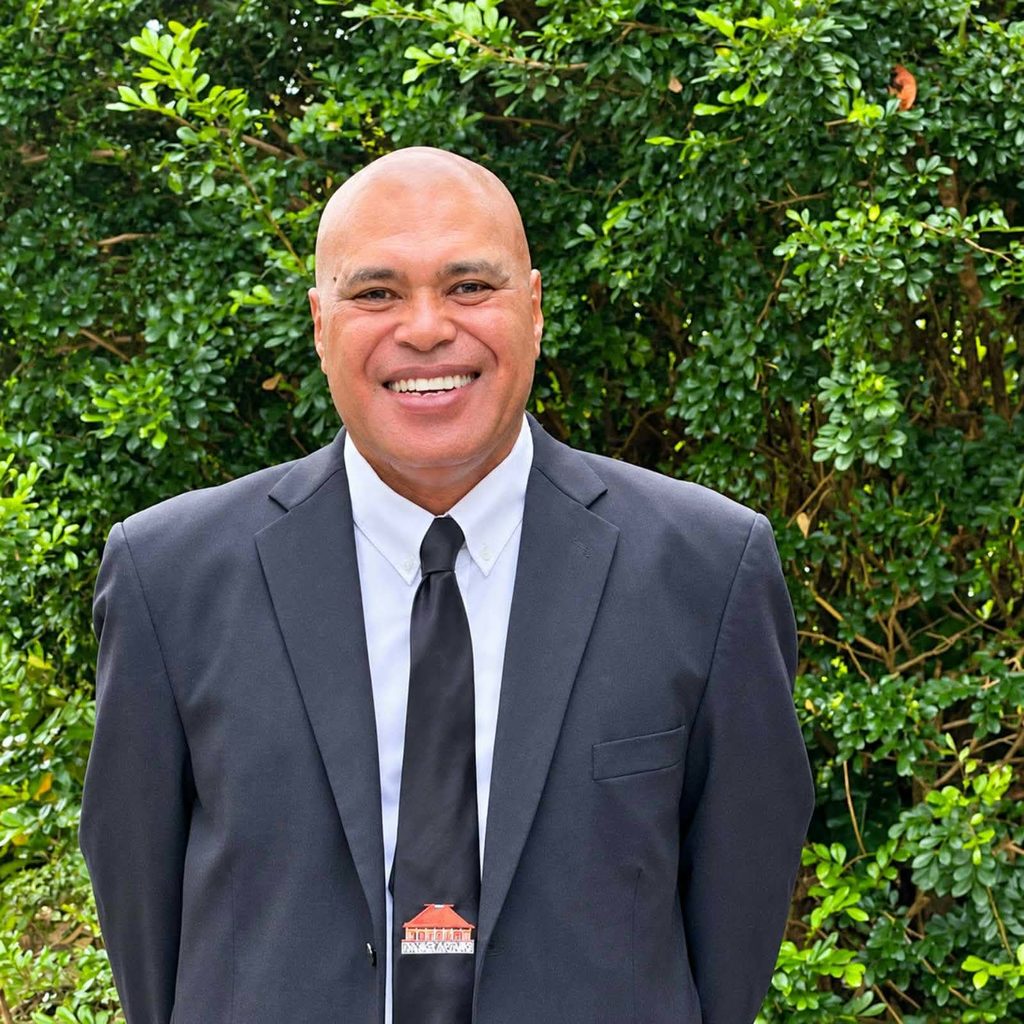
For Apenisa Seniloli, the measure of leadership lies in the people who grow, the trust that is built and the progress achieved together. From his years in banking to his present responsibilities in Tailevu, that remains the principle guiding his journey. Picture: SUPPLIED