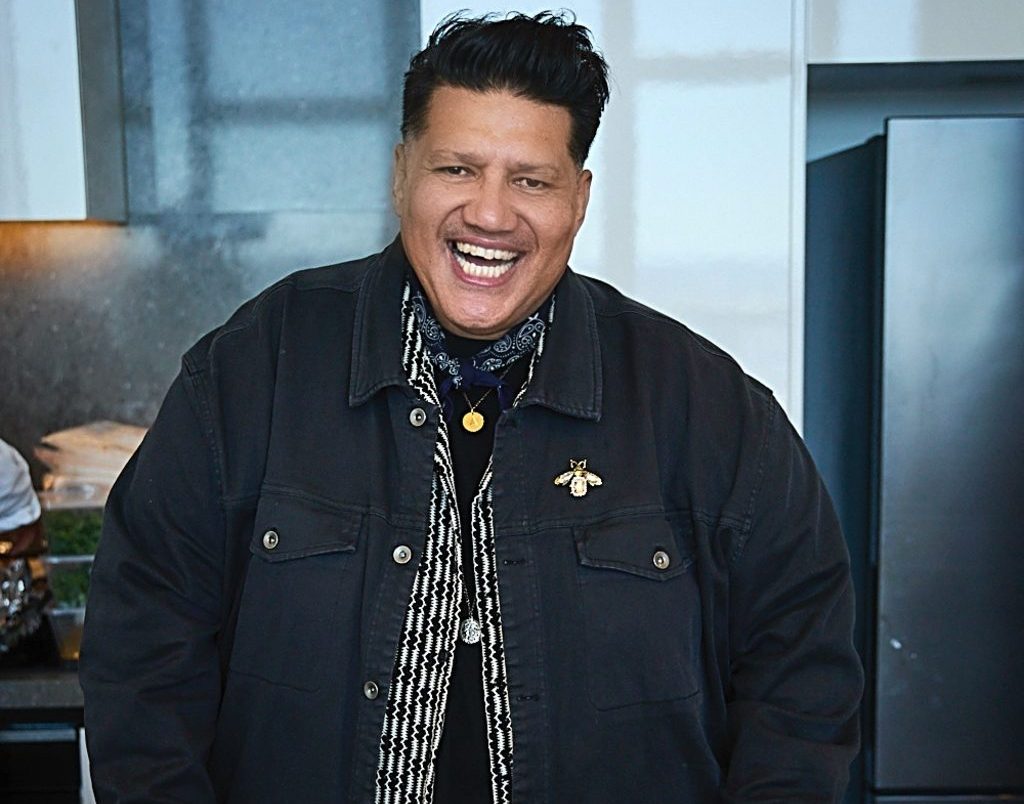
ARRNOTT Salesi Olssen was only 12 when his mother left him and his brother in pursuit of a better future.
His mother Nancy Olssen’s decision was the first step of many and spoke to the lengths mothers would go to give their children the best. She had planned to get to Australia first, set things up, then have her boys over by Christmas that year.
What she didn’t anticipate was that it would take six long years before her plan came to completion and she could see her sons again.
Arrnott was born in Suva to Nancy and George Salesi from Lomaloma, Vanuabalavu in Lau.
“I have fond memories of my childhood in Suva. My mum and dad had parted before I was born so mum brought us up on her own.
We lived in the Housing Commission in Nabua and later moved to Makoi, to a bigger place. Life was a struggle but it was filled with love,” recalls Arrnott.
Nancy encouraged Arrnott’s love for the arts – his creativity and love for singing which saw him enter many singing competitions and oratory contests.
Something from nothing
“At Gospel primary and high schools, I was in oratory competitions. In high school I was the inter-secondary school debate association president and organised the drama club and much more. Life was hard but we didn’t think of it that way – we had each other, went to church and we had love.”
Nancy worked hard to keep the family going.
“I remember my mum creating something out of nothing, whether it was her sewing up tea cosies, or cooking food to go and sell during lunch times to the offices. Her ability to take a little and make something has been my inspiration over the years.
“I also remember feeling like I was stuck between my Fijian side and kailoma side, and learning to appreciate them both. Mum made sure we stayed connected to our Lauan – iTaukei side and made sure my brother and I were in the Vola ni Kawa Bula.”
Arrnott remembers the challenges of “sitting between the two identities”.
“I was at times not quite Fijian enough and not quite white enough, it forced me to be proud in my own identity and to realise how you treat people and your character defines who you are.”
The sacrifice
In 1989, his mother left and he stayed behind with his brother.
“My mum wanted to bring us to Australia to broaden our opportunities. She knew as a creative there was a lot available in Australia for someone like me.
“We were without her for six years all through high school, but she’d taught us to be independent and cook, clean and look after ourselves and my brother and I had each other and a lot of great people around like Aunty Toaga, Lydia/Shirley and Aunty Mary close by to keep an eye on us.
“My mum sacrificed and saved to get us here to Australia, and I’m forever grateful for her perseverance and tenacity. Her presence and also her absence shaped a lot of my childhood.”
When she arrived in Australia, Nancy’s plan was elaborate: find work, a place to stay then bring her sons over.
“She managed to save enough to come to Australia in 1989. We had church friends and family in Australia so when she came in 1989, she was hoping we’d be here in Australia by December.
“Unfortunately, it took a lot longer for our papers to come through, and I didn’t end up coming to Australia until December 1995.
“The years without her taught me to be resilient to be strong and to go for what I wanted, she supported us, sent us money and made sure we were clothed and fed but I also had a goal to work towards. My mum definitely shaped who I am today.”
Ahead of her time
Nancy Olssen was no ordinary woman, recalls Arrnott.
“She was an amazing strong woman of faith, who when born was rejected by her mother and was adopted by her aunt and uncle Helen and Jim Ensor. She married out of her family ideals but married for love, and always encouraged us to find connection to our paternal heritage and ties in Lomaloma, Lau.
“She was resilient, tenacious and creative, a woman ahead of her time.”
Arrnott says he had been singing since he was a child. “I grew up singing in church in Fiji, at school, basically wherever I could.”
Even then, he was dreaming of something more. “I remember going to the library and bringing home books that had recipes and British Christmas traditions and asking my mum to emulate the recipes. I remember pretending to do interviews in the mirror for pretend TV shows, I remember making up dishes – my cousin Lydia Tagi will remember my salt and pepper toast.”
In December 1995, Arrnott was 18 when the papers finally came through. He and his brother packed up and got on a plane to Sydney.
Next week: The Land Down Under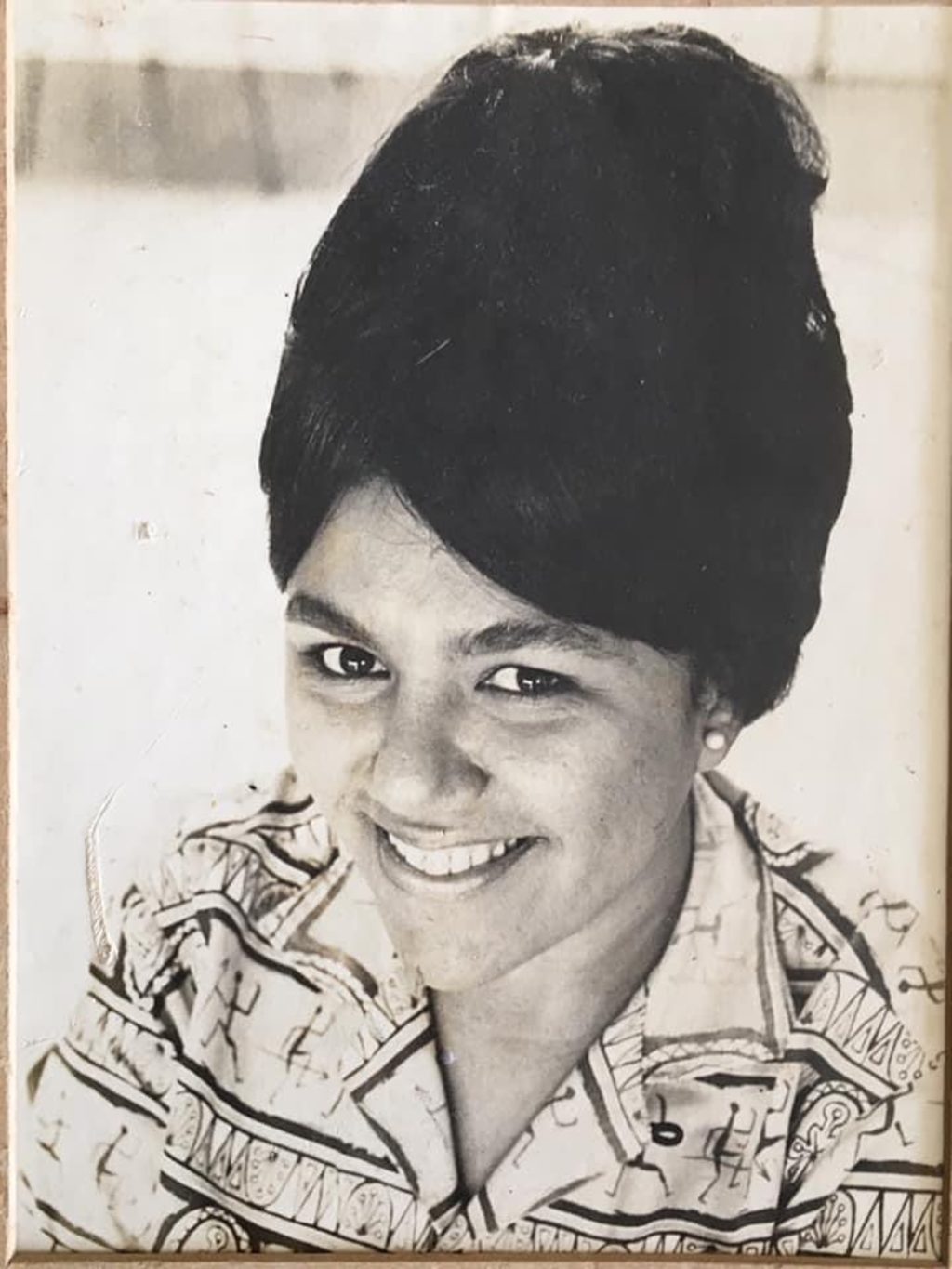
Nancy Olssen represented P&T (Post and Telecom) as a former Miss Hibiscus contestant.
Picture: SUPPLIED/ARRNOTT OLSSEN
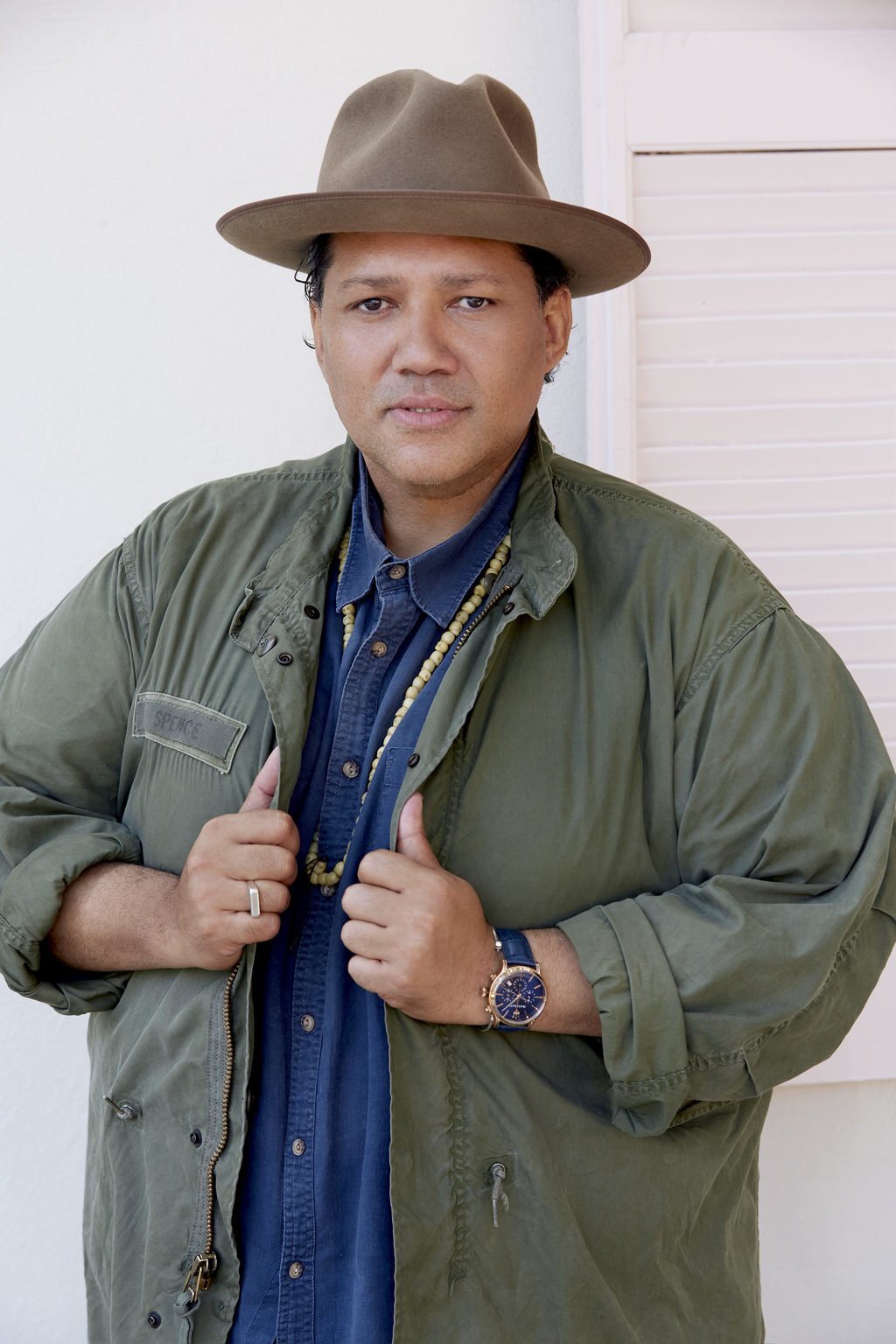
From oratory competitions and the drama club at Gospel High School in Suva to television screens across Australia, Arrnott Olssen credits his late mother Nancy for the man he is today. Picture: SUPPLIED/ARRNOTT OLSSEN
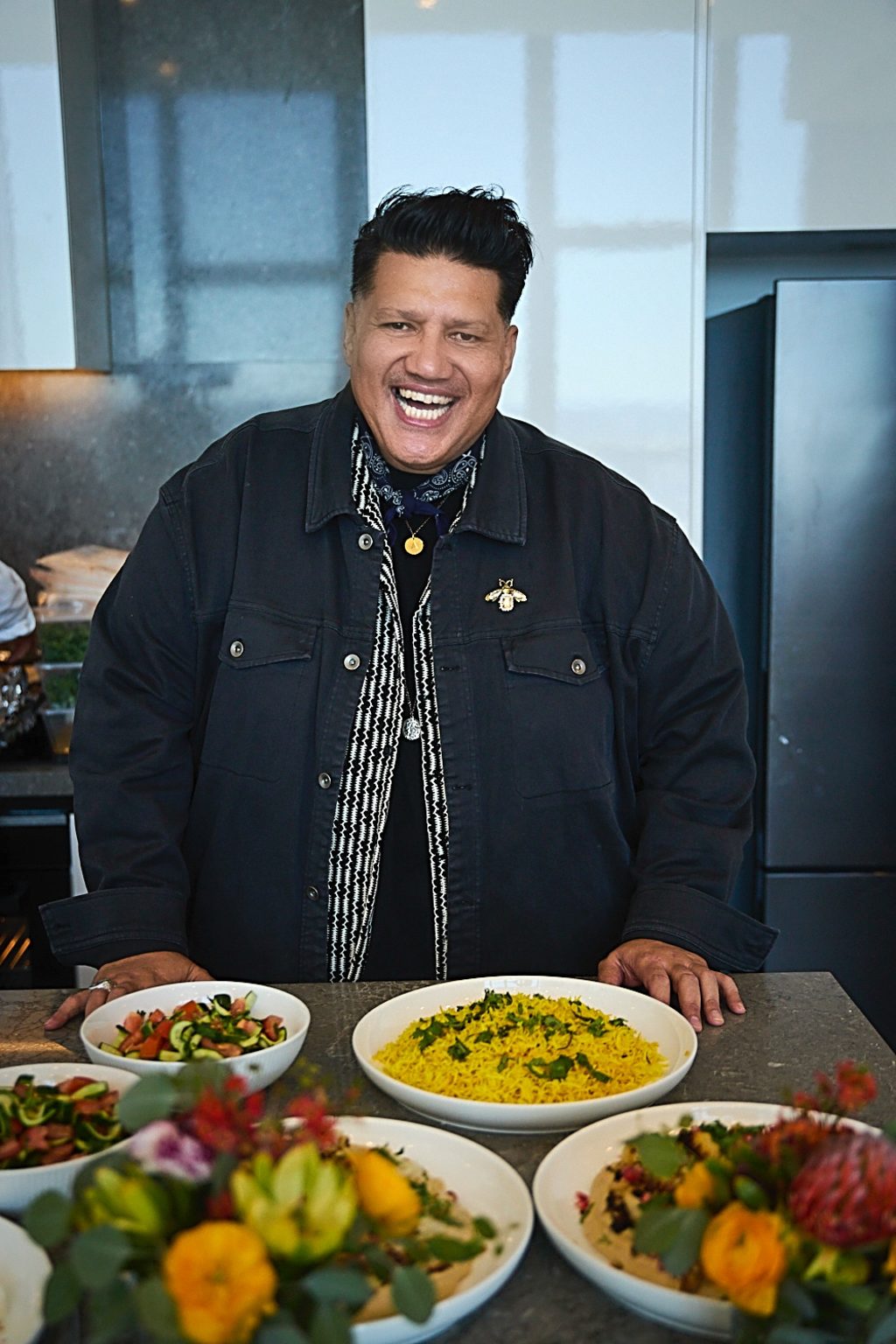
Fijian-born chef and television host Arrnott Olssen says cooking is his most powerful connection to home – rooted in memories of his mother Nancy creating meals out of almost nothing in their Nabua kitchen and carried today through his travelling pop-up dining experience, The Kana Club. Picture: SUPPLIED/ARRNOTT OLSSEN