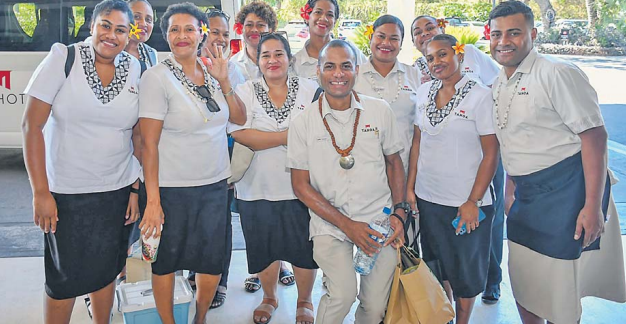
THE Fiji Hotel and Tourism Association’s (FHTA) annual HOTEC tradeshow wrapped up a successful two-day run on October 23, drawing regional suppliers, international delegates, and industry leaders to the Crowne Plaza Fiji Nadi Bay Resort and Spa in Wailoaloa.
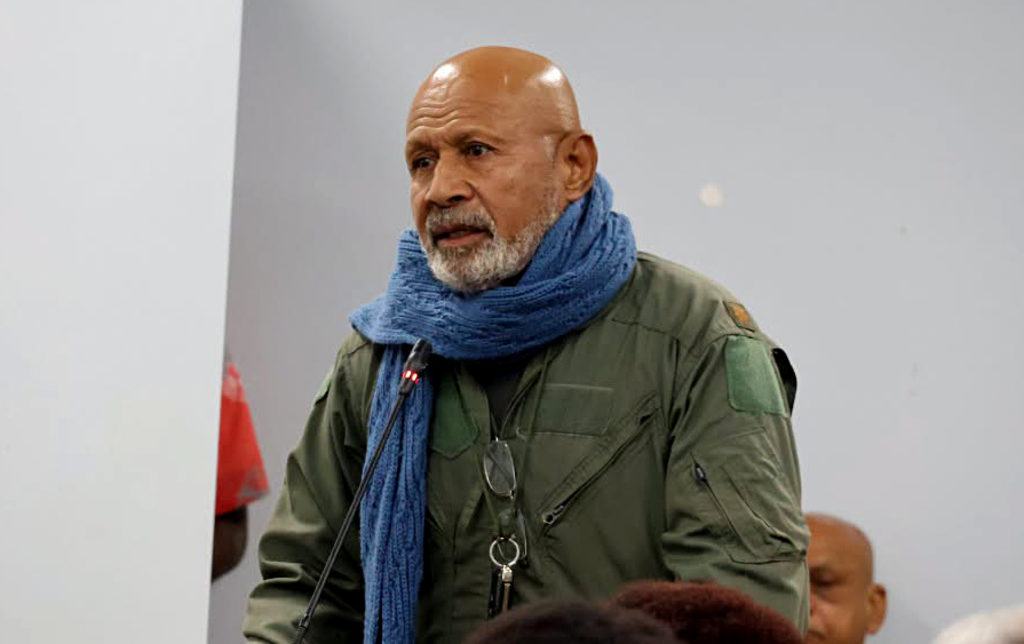
Opening the event on October 22, Deputy Prime Minister and Minister for Tourism and Civil Aviation Viliame Gavoka revealed that Investment Fiji was currently tracking a multi-billion-dollar investment pipeline featuring 57 active projects nationwide.
These developments are set to deliver more than 5600 new hotel rooms, with 19 projects totalling 1460 rooms already under construction.
Nadi alone accounts for a third of this national pipeline.
“Every one of those rooms has to be built, furnished, equipped and supplied, suppliers, that is your market,” Mr Gavoka said.
The tradeshow unfolded against a backdrop of major national policy shifts, anchored by the parliamentary passage of the Tourism Act 2026 earlier this year – Fiji’s first comprehensive legal overhaul in more than 50 years.
The legislation introduces national standards, establishes a National Tourism Council, and creates a dedicated fund for infrastructure, training, and community operators.
These reforms align closely with the Civil Aviation Master Plan for Fiji (2026–2031) and the National Sustainable Tourism Framework (2024–2034).
Together, the policies aim to propel Fiji toward its ambitious target of a $4 billion tourism industry by 2027, welcoming 1.2 million annual visitors.
Mr Gavoka said the rapid pace of growth was underpinned by sustained international demand.
“The way we are growing fast, the demand is still very high, and we don’t see that reducing in the coming years,” he said.
International partnerships
and innovations
Commercial delegations from Australia, New Zealand, New Caledonia, Canada, Japan, and the United States turned out in force while Austrade and Trade and Investment Queensland secured platinum sponsorship, leading a 12-company Australian delegation showcasing everything from commercial kitchen design to plant-based milks and wellness products.
Meanwhile, a delegation of six New Zealand businesses highlighted seasonal synergies.
New Zealand Trade Commissioner to the Pacific Cath Cooksley-Little pointed to agricultural collaborations, noting that differing harvest seasons could see New Zealand supply avocados to Fiji during local low seasons, and vice versa. Exhibition floors near the grassy area buzzed with activity, featuring barista and cocktail competitions alongside new product launches.
Orion Distribution were among the various vendors showcasing their products.
Based at Vuvale Plaza on Enamanu Road, ORION Distribution previewed an upcoming line of European pastries highlighted by a distinctive green, pandan-flavoured pastry while Goodman Fielder showcased upcoming specialty dairy imports, including Puhoi Valley dessert yogurts and artisanal cheeses.
Bridging the local supply gap
A central theme across the two-day information sessions was the urgent need to integrate local farmers and small enterprises deeper into the tourism supply chain.
Forge Pacific co-founder Watesoni Nata Junior challenged hoteliers to view local sourcing as a vital commercial opportunity rather than charity, urging properties to feature regional producers on menus and weave authentic Fijian storytelling into the guest experience.
Mr Nata cautioned that standard 30 to 60-day payment terms placed an unsustainable financial burden on micro-producers.
He urged resorts to adopt seven-day terms or pay upon delivery to support small-scale cash flow.
Echoing this sentiment, Nukubati Island Resort co-owner and executive director Jenny Bourke said that true sustainability relied on investing in local people and communities rather than relying solely on eco-friendly technology.
“The people I work with, the community that I’m depending on, and our culture and our natural environment aren’t separate from the tourism product, they are the tourism product,” Ms Bourke said.
In a separate information session, InterContinental Fiji Golf Resort and Spa director of Engineering David Hayes shared how high resort occupancies were straining municipal infrastructure, engineering sessions focused heavily on risk mitigation and resource management.
Mr Hayes highlighted how his team exceeded IHG Hotels & Resorts’ portfolio-wide energy reduction targets for 2025 by 5.29 per cent without purchasing expensive new technology.
By analysing 2024 baseline data, optimising cooling plant schedules, and curbing the runtime of decorative gas torches across the 35-acre property, the engineering team achieved dramatic savings purely through behavioural shifts.
However, Mr Hayes warned that municipal water supply inconsistencies along the Coral Coast remained a critical operational vulnerability.
Operating a 266-room resort at 89 per cent occupancy burns through more than 300,000 litres of water daily, forcing properties to expand on-site storage reserves to 1.5 million litres to avoid costly emergency water trucking.
Losing any part of infrastructure is a big risk for most hotels in that emergency evacuations resulting from complete utility failures can cost properties upwards of $700,000.
“If I’ve only got one pump and it fails, I’ve got none. And if I’ve got none, I’m shutting down the resort.”