
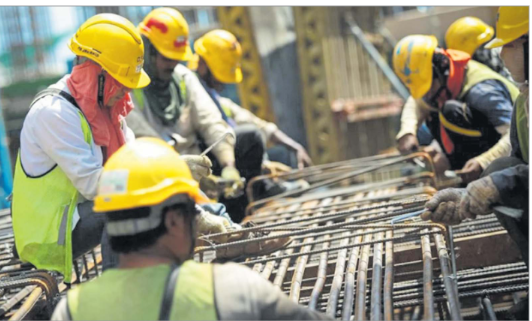
FIJI is facing a growing workforce crisis, with labour shortages now threatening national growth and business sustainability.
The new 2026 National Skills Gap Assessment Survey paints a concerning picture of widespread shortages across critical industries, including construction, healthcare, telecommunications engineering and aviation safety.
Compiled through collaboration between the Fiji Commerce and Employers Federation, the Fiji Bureau of Statistics, government agencies, development partners and private sector stakeholders, the report identified technical trades such as electricians, plumbers, joiners and construction workers among the country’s most urgently needed skills.
The findings also revealed increasing shortages in professional and regulatory fields, including quality assurance officers, occupational health and safety inspectors, and human resource professionals.
Migration draining the workforce
Prime Minister Sitiveni Rabuka said the country’s labour shortages were being intensified by overseas migration and global competition for workers.
“While we are fortunate to have a relatively young population that represent around 70 per cent of our labour force, the country continues to experience persistent skills shortages, driven by rising domestic demand, increased labour mobility, and strong global competition for talent,” Mr Rabuka said. “Between January 2023 and February 2024, approximately 15,500 Fijians migrated overseas for better employment opportunities, placing additional strain on the sustainability of our national workforce.
“This has intensified domestic labour shortages and increased reliance on foreign workers across critical sectors.”
The Prime Minister said nearly 11 per cent of employers applied for work permits between August 2023 and January 2025, with around 6460 permits issued in industries such as construction, manufacturing, tourism, retail and services.
“The survey examined employment type, foreign employment, and skills loss. Revealing that 59.5 per cent of workers are wage earners, 40.5 per cent are salary earners, and foreign employment increased by 79 per cent between 2022 and 2024,” he said.
“Key skills gaps are being filled by foreign workers in technical and machine operations, accounting, and culinary roles.”
Businesses losing critical skills
The survey identified 95 missing skills across businesses nationwide, with employers warning that the loss of experienced workers was directly affecting productivity and competitiveness.
“According to business owners and management representatives, the loss of skilled workers has had a direct and adverse impact on productivity, efficiency, and overall business competitiveness,” the survey report stated.
“The absence of these skills not only constrains growth but also increases reliance on external recruitment and training interventions.”
Among the top skills lost were chefs, IT technicians, accountants, electricians, machine operators, engineers, carpenters and logistics drivers.
The report found overseas migration was the leading cause of skilled worker losses, followed by internal migration within Fiji. “In addition, government-facilitated employment initiatives such as the National Employment Centre (NEC) and the Pacific Australia Labour Mobility (PALM) scheme were also cited as contributing drivers of skilled worker attrition.”
Efforts to retain workers
Businesses are now turning to retraining and upskilling existing employees to fill gaps left by departing workers.
The report said many firms were also rehiring retired workers to tap into their experience and institutional knowledge.
“In cases where local recruitment proved insufficient, some businesses turned to the recruitment of foreign workers as an alternative measure to fill critical shortages.”
“Collectively, these strategies demonstrate a layered response: businesses are prioritising internal resilience through training, while simultaneously leveraging both local and external labour sources to sustain operations and maintain productivity.”
Government’s reform agenda
Mr Rabuka said the report marked the beginning of a stronger policy response aimed at rebuilding Fiji’s workforce capacity.
“Government’s response will be anchored on three strategic priorities — first, strengthening institutional architecture for productivity and skills development,” he said.
He said reforms would include the proposed Productivity Commission of Fiji, the repositioning of the Fiji Training and Productivity Centre, and continued strengthening of the Fiji Learning Institute for Public Service. Mr Rabuka said the reforms reflected a shift towards “a coherent, integrated, and results-oriented skills ecosystem” capable of linking workforce data, policy and training outcomes.
Way forward Looking ahead, the priority is clear.
Mr Rabuka said the country has to realign education and training systems with industry demand, strengthen school-to-work transitions, and embed values such as work ethic, discipline, and responsibility alongside technical skills.
“We must also accelerate digital capability — ensuring that our workforce is not only prepared for today’s jobs but equipped for the future of work.
“At the same time, stronger partnerships between Government, industry, and training institutions will be essential.
“No single institution can address these challenges alone.”

