NADI’S push for city status is gathering momentum, with the Government targeting December 16, 2026, for the proposed declaration, as mounting tourism investment sharpens the need to address longstanding concerns over flooding, infrastructure and essential services.
Local Government Minister Maciu Nalumisa has backed the move, saying it has the blessings of Nadi’s chiefs and the support from Government, but residents and business representatives are questioning whether Nadi is ready for the transition.
He urged stakeholders to move forward with the proposed upgrade, as the transition would bring greater responsibilities for urban planning, infrastructure development and sustainable growth.
In an interview with this newspaper in Nadi Mr Nalumisa said December 16 was the date currently being targeted for the declaration ceremony, with the Nadi Town Council expected to meet the associated costs from its budget.
“The elevation of Nadi Town to city status comes with a lot of responsibility,” he said.
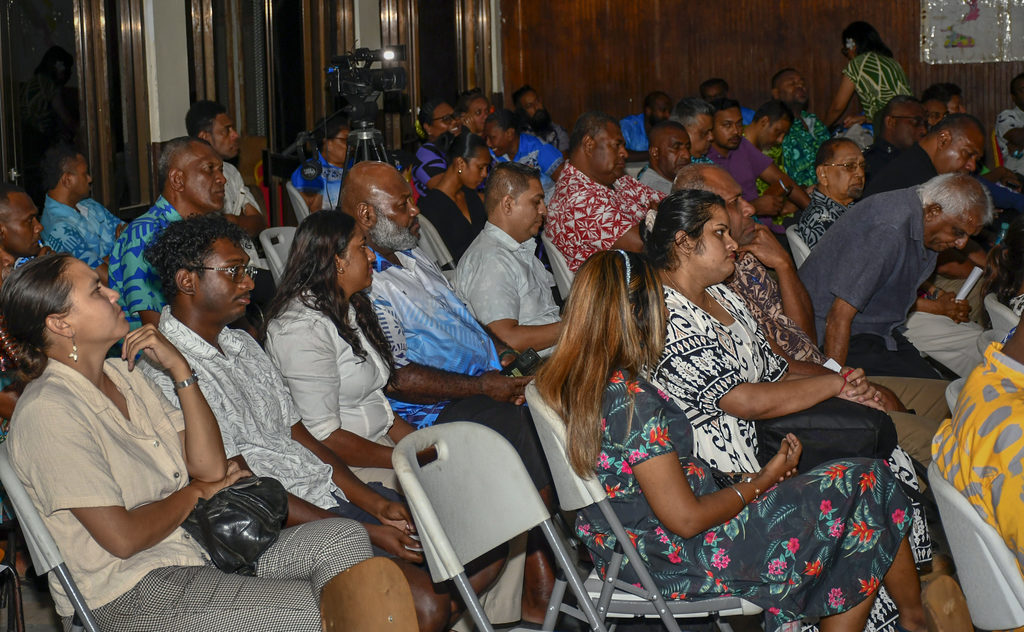
He said his ministry would work towards better planning and a more sustainable future for Nadi, supported by infrastructure development, Government funding and investment from the wider community. However, the stakeholder consultation on the proposed Nadi City Declaration last Friday revealed a divide between those who see city status as an opportunity to accelerate development and those who believe existing problems must be addressed before the transition proceeds.
At the centre of the debate is whether the proposed declaration will provide a practical pathway to better services and infrastructure or simply mark a change in status while residents continue to face longstanding challenges.
A long-standing ambition
The proposal to declare Nadi a city has been under consideration for decades.
Nadi Town Council manager of building and planning Meli Koroitamana said the first application was made in 1999 but was put on hold in 2000.
A subsequent application was made in 2016 and remained on hold until recently, when Mr Nalumisa directed that stakeholder consultations begin.
Mr Koroitamana said the discussion was not simply about changing Nadi’s designation but determining the kind of urban centre it should become.
“Let me make one thing clear, we are not here simply to change the name of Nadi from a town to a city,” he said.
“We are here to discuss the future of Nadi and the kind of place we want it to become for our children, our businesses, our residents and our visitors.”
He said city status should not be treated as a trophy or title, but should represent higher standards of planning, service delivery, accountability and ambition.
Nadi’s importance to Fiji’s economy is a major consideration in the proposal. The municipality is a principal gateway for international visitors, a major tourism hub and a significant contributor to national revenue.
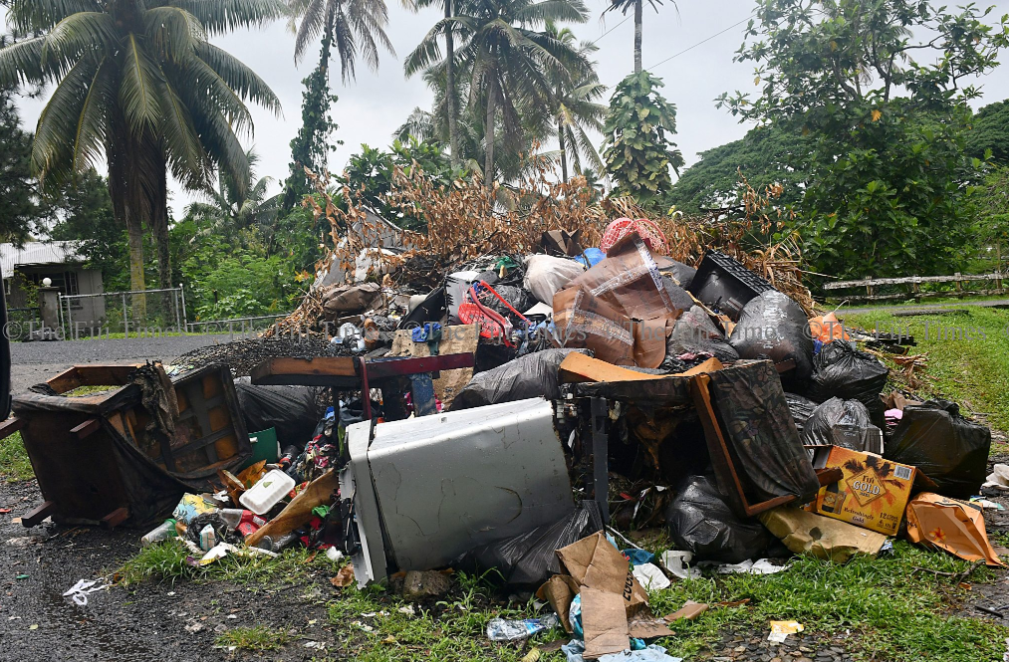
Its rapid development, growing number of development applications and expanding tourism sector have increased the need for coordinated urban planning. However, the council has also identified flooding, traffic congestion, littering, pressure on infrastructure and utilities, homelessness, ageing facilities and drug-related concerns as issues requiring attention.
Planning must underpin growth
The Department of Town and Country Planning’s Western Division principal town planner, Aisake Raratabu, said the proposed declaration provided an opportunity to review Nadi’s existing town planning scheme and its proposed extended planning areas.
He said the consultation would help identify development needs, existing problems and priorities for the municipality’s future. Among the priorities are assessing flood exposure before identifying new areas for development, integrating housing needs with employment opportunities, and ensuring that road access, drainage and utilities can support population and commercial growth, public spaces, parks, community facilities and environmental protection must also be considered.
Residents question readiness
Residents and business operators have raised concerns about whether Nadi is adequately prepared for the proposed transition.
Some support the declaration if it brings additional funding, better infrastructure and improved services. Others argue that the municipality should address its existing shortcomings before proceeding.
Nadi resident Viliame Finau, who moved from Suva in 1990 and has lived in Waqadra for 36 years, said sewage spills in a culvert outside his bedroom remained a recurring problem.
Mr Finau said the issue had been raised previously and stressed the need for a permanent solution.
Nadi-based general practitioner Dr Ahmed Shakeel Shariff said he would support city status if it helped secure funding for flood mitigation, ease traffic congestion and improve infrastructure planning.
“If declaring us a city is going to help relieve traffic, I’m for it,” he said.
“And if it’s going to help you get the funds to help us with flood alleviation, let’s do it.”
However, Dr Shariff questioned whether the planning process was sufficiently advanced.
He argued that Nadi should have a clearer development plan before stakeholders were asked to support the declaration.
Nadi Chamber of Commerce and Industry president Lawrence Kumar said the chamber had conducted a poll through a Viber group to gauge businesses’ views, with all those who voted opposing the proposal.
He said flooding, inadequate infrastructure and cleanliness were among the main reasons for the opposition, arguing that Nadi was not ready to become a city.
The disagreement highlights the importance of public consultation and transparency. Government support may provide momentum for the proposal, but sustained public confidence will depend on how effectively the authorities respond to the concerns raised.
Tourism investment brings opportunity and pressure
Nadi’s growing economic importance is one of the strongest arguments in favour of the proposed transition.
Speaking to The Fiji Times, Mr Nalumisa described Nadi as one of Fiji’s most vibrant municipal economies and the country’s main tourism hub.
He said further development was expected over the next 10 to 15 years as tourism activity continued to expand.
The investment pipeline points to the scale of that growth.
Deputy Prime Minister and Minister for Tourism and Civil Aviation Viliame Gavoka recently revealed that Fiji remains firmly on track to expand its tourism sector into a $4billion industry by 2027 while attracting 1.2 million annual visitors, supported by a $2.1billion investment pipeline.
He said Investment Fiji was tracking 57 tourism investment projects across the country. Mr Gavoka said 19 of the 57 projects were in Nadi.
But investment on this scale also places greater demands on roads, water supply, electricity, drainage, waste management and public facilities.
At the stakeholder consultation, Vou Dance Fiji director of operations Shakira Ah Koy-MacDonald raised concerns about road access to the Vou Hub in Maqalevu, which attracts thousands of visitors each year, many travelling from hotels on Denarau.
Ms Ah Koy-MacDonald said the facility was only 1.6 kilometres from Denarau, yet visitors encountered unsealed and uneven roads after leaving the developed tourism area.
She said the company had advocated for the road to be tar-sealed since 2019 and had continued following up with the relevant authorities.
Despite the matter being lodged with the Fiji Roads Authority and support for the proposed work being expressed by officials, she said construction had not begun as expected.
She questioned what more was required to prioritise the relatively short stretch of road, given the level of tourism and commercial investment taking place across Nadi.
Infrastructure and public services
The consultation also highlighted concerns about littering, ageing facilities, homelessness and the delivery of essential municipal services.
Mr Koroitamana said the council had recruited a dedicated officer to address littering, increased its workforce and introduced additional shifts. Closed-circuit television cameras had been installed at identified hotspots and in the central business district, with more rubbish bins and waste collection trucks planned.
A taskforce involving relevant agencies was also being formed to improve coordination and ensure a sustained commitment to addressing municipal problems.
On homelessness and people experiencing mental health challenges, Mr Koroitamana said the council was working with religious organisations and other agencies, including police, to respond to the situation.
He said an implementation plan and budget had been prepared for phased upgrades to ageing infrastructure and public facilities, including the bus station, King Charles Park, the children’s park and the municipal market.
Drug concerns amid urban expansion
Drug-related crime and public health concerns will also require attention as Nadi prepares for further development. In January 2024, the Fiji Police Force seized more than four tonnes of methamphetamine in Legalega, Nadi, in one of the largest drug seizures in the Pacific region. The consignment was reported to have an estimated street value of about $2billion.
Mr Koroitamana said increased police operations and a taskforce approach to HIV prevention, including early testing and detection and needle programs, were among the responses being considered.
The challenge is to ensure that economic development is accompanied by effective policing, drug prevention, public health services and support for vulnerable communities.
As Nadi moves towards its current target date of December 16, 2026, the proposed declaration represents an opportunity to set a stronger direction for the municipality.
Mr Nalumisa and the Government have expressed support for the transition, while the tourism investment pipeline offers significant potential for employment and economic growth. Yet concerns about sewage, roads, traffic, public services and flooding remain unresolved, with the Nadi Flood Alleviation Project requiring an estimated $900million to more than $1billion.
The drug issue adds another dimension to the challenge of managing a growing urban centre.
The decisive measure of city status will not be the declaration ceremony itself, but whether it is followed by coordinated planning, sustainable infrastructure investment, stronger public safety measures and visible improvements in the lives of Nadi’s residents.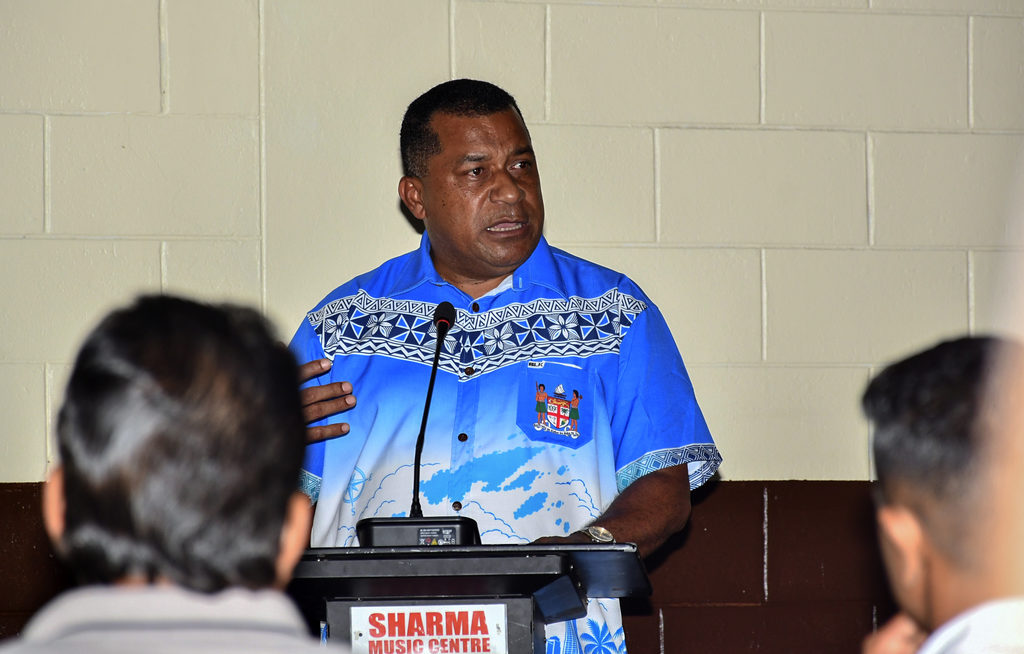
Minister for Housing and Local Government, Maciu Nalumisa speaking during the Proposed ? Nadi City Declaration? consultation at Nadi Civic Centre. Picture: BALJEET SINGH