
FOR generations, Fiji’s schools have been regarded as safe spaces where children learn, grow and prepare for adulthood. Today, however, educators are confronting a challenge that extends far beyond textbooks and examinations.
Drugs, risky behaviour and a rapidly escalating HIV epidemic among young people are forcing schools to take on an increasingly important role in protecting students — not only from academic failure, but from life-threatening health risks.
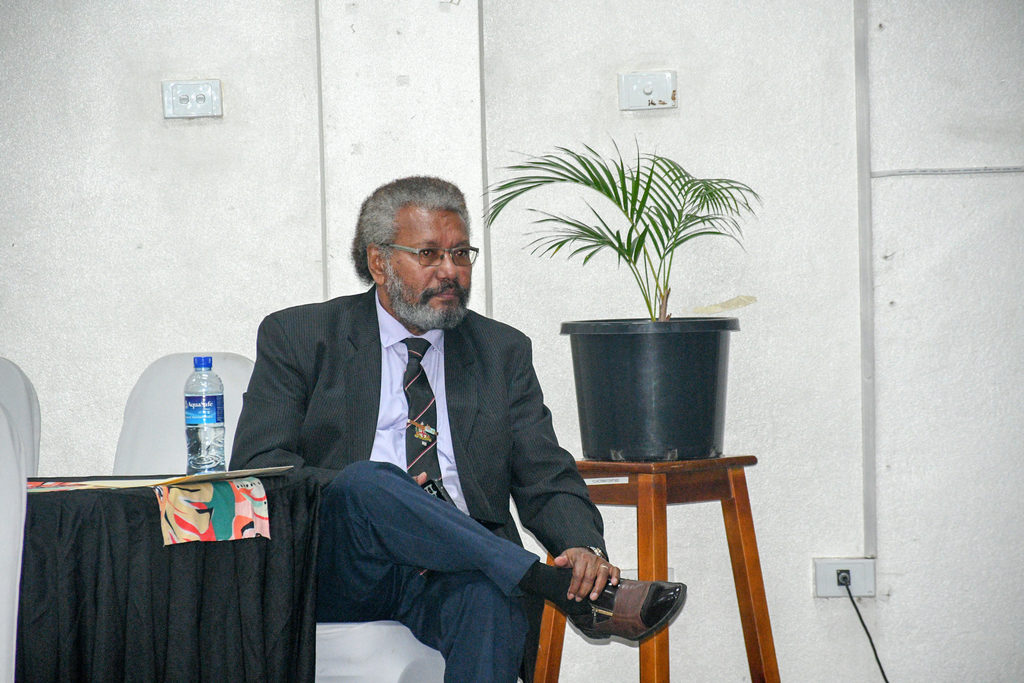
That stark reality was laid bare during the School Management Association of Fiji conference in Suva, where National Substance Abuse Advisory Council (NSAAC) acting chief executive Josua Naisele urged school leaders to recognise that they are now on the frontline of one of Fiji’s biggest public health crises.
“This is happening in our schools now,” Mr Naisele told delegates.
“Teachers are on the front line of early detection and referral.”
His presentation painted a picture that was both alarming and urgent.
By the end of 2025, Fiji had recorded 5676 cumulative HIV cases, including 2016 new infections in a single year.
The epidemic is increasingly affecting young people, with HIV cases among children aged 10 to 14 increasing by 892 per cent since 2015 and infections among 15 to 19-year-olds surging by an astonishing 4183 per cent.
The largest number of new infections is now among people aged 20 to 24, while those under 25 account for 58 per cent of all new HIV cases recorded last year.
For school leaders gathered at the conference, those statistics carried a sobering message: the HIV epidemic is no longer something happening elsewhere.
It is affecting students, families and communities connected to Fiji’s schools.
The drug-HIV connection
Mr Naisele explained that the country’s drug problem and HIV epidemic are becoming increasingly intertwined.
“Injection drug use is the number one identified HIV transmission route,” he said.
The presentation showed that injecting drug use accounted for 18 per cent of all new HIV infections recorded in Fiji during 2025, with the overlap between injecting drug use and sexual transmission continuing to grow.
Needle sharing remains one of the most efficient ways HIV spreads.
“When people inject drugs and share needles, HIV passes directly through blood. Even microscopic blood residue is enough.”
Mr Naisele also warned that alcohol and drugs impaired judgement, making young people more likely to engage in unprotected sex, accept dangerous risks or become victims of exploitation.
Drug dependence, he said, could also drive vulnerable young people into transactional or survival sex, exposing them not only to HIV but also to sexually transmitted infections, violence and poor access to healthcare.
What’s happening in schools?
While methamphetamine has dominated national headlines, Mr Naisele said schools continue to face a range of substance abuse issues.
Cannabis remains the most common drug used by school-age children and is often the first drug they experiment with before progressing to harder substances.
Alcohol is widely accessible and frequently linked to sexual risk-taking and violence during school events and weekends.
Inhalants such as glue and petrol continue to be used by younger secondary and upper primary students, causing serious damage to developing brains while remaining difficult to detect.
Methamphetamine, meanwhile, is emerging rapidly, with injecting already reported among school-age users in Suva through older drug networks.
The presentation also highlighted growing concerns about sexting and online exploitation, noting that young people using drugs face greater risks of sexual exploitation and transactional sex.
Why are young people vulnerable?
Mr Naisele said substance abuse rarely occurred in isolation.
Peer pressure, the desire to fit in, family dysfunction, trauma, abuse, poverty, lack of awareness about HIV, stigma surrounding help-seeking and limited adult supervision all combined to increase children’s vulnerability.
These factors often reinforce one another, creating environments where experimentation can quickly develop into addiction and risky behaviour.
The challenge, he suggested, cannot be solved through enforcement alone.
He said it requires stronger families, better-informed communities and schools that recognise problems before they escalate.
Recognising the warning signs
One of the strongest messages from the presentation was that teachers are not expected to become doctors or investigators.
Instead, they need to become observant.
“CPOs don’t need to diagnose — you need to notice, document and refer. Early identification saves lives,” Mr Naisele said.
Warning signs include sudden declines in attendance or academic performance, withdrawal from friends and extracurricular activities, mood swings, aggression, unexplained weight loss, bruises or track marks from injecting, red or glazed eyes, frequent nosebleeds and associations with older or unfamiliar individuals.
Social indicators can be equally important, including unexplained access to money, disclosures of sexual exploitation, drug-related social media posts or known family histories of drug use or domestic violence.
Prevention begins before crisis
Mr Naisele emphasised that prevention must become a whole-school effort.
Schools were encouraged to strengthen child protection systems, establish dedicated counselling rooms or “safety hubs”, install CCTV cameras, maintain secure fencing and gates, properly vet ancillary staff and ensure hazardous substances were safely stored.
Management teams were also urged to familiarise themselves with legislation, school drug policies, counselling policies and standard operating procedures for responding to student welfare concerns.
Beyond school grounds, awareness programs targeting students, parents, faith groups and communities remain a key part of the strategy.
Teachers are being trained as child protection officers, student prefects receive leadership training, while Year 8 students participate in good character programs focusing on mental health, self-awareness, leadership and behavioural management.
Supporting students, not punishing them
Perhaps the most important message from Mr Naisele’s presentation was that children caught in drug use need support as much as discipline.
Mr Naisele said NSAAC currently provides counselling services for students, parents and teachers, while 39 volunteers offer mentoring support in 200 schools across Fiji.
The council also delivers psychosocial support and psychological first aid following school crises or natural disasters and operates counselling hubs at divisional and district levels.
For students facing addiction, trauma or exploitation, early intervention can make the difference between recovery and lifelong harm.
A shared responsibility
The statistics presented at the conference are confronting, but Mr Naisele’s message was ultimately one of shared responsibility.
Schools cannot solve Fiji’s drug and HIV challenges on their own.
Parents, communities, government agencies, churches, health professionals and law enforcement all have critical roles to play in protecting children.
Teachers may now find themselves on the frontline, but they should never have to stand there alone.
As Fiji confronts rising HIV infections, changing drug trends and increasing risks facing young people, one thing is becoming increasingly clear: safeguarding children’s futures now requires far more than delivering lessons in a classroom.
It requires recognising distress, building trust, creating safe environments and ensuring that every child who needs help is identified before it is too late.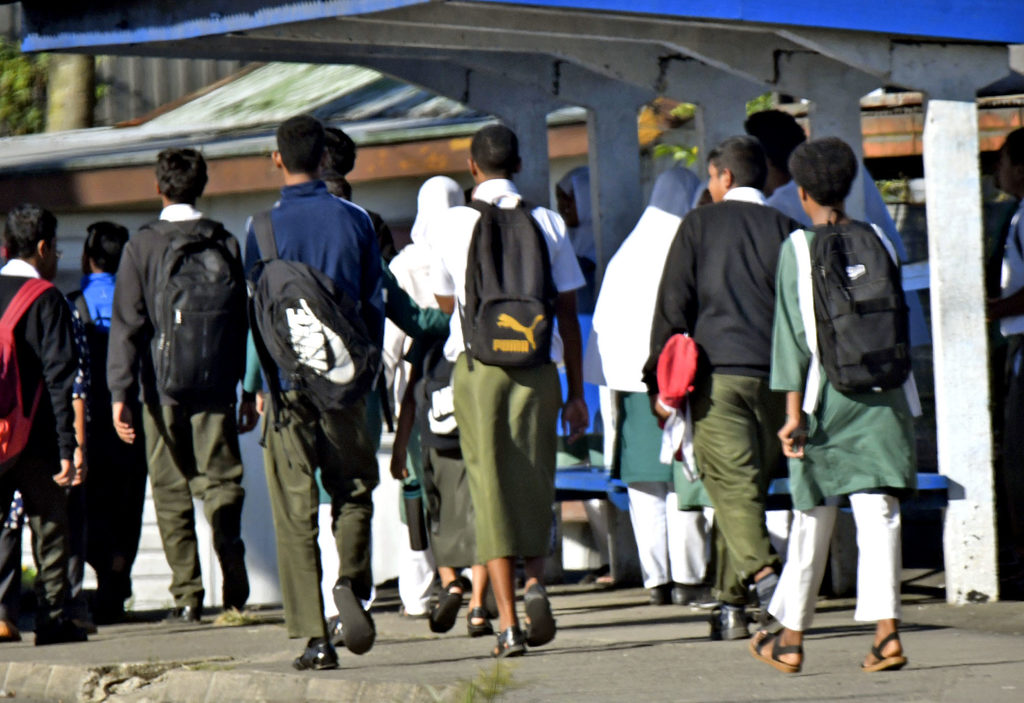
School students on their way home after school. Picture: FILE

