FIJI stands once again on the threshold of major constitutional transformation as nationwide public consultations on the ambitious Constitution (Amendment) Bill 2026 gather momentum across the Western Division.
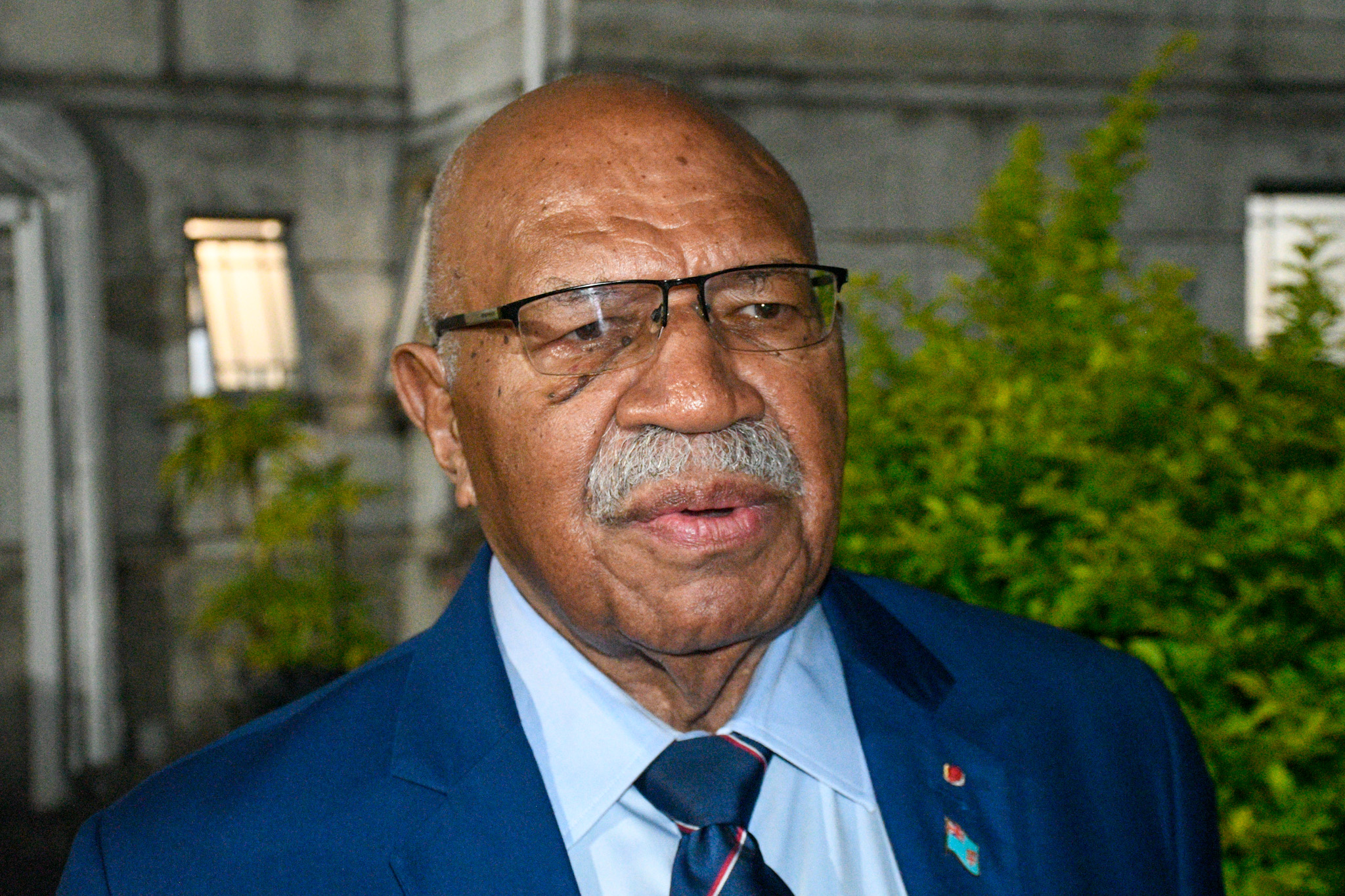
With listening sessions recently concluded in Lawai Village in Sigatoka, the Nadi Civic Centre, and the Girmit Centre in Lautoka, Prime Minister Sitiveni Rabuka has voiced his strong satisfaction with the turnout, characterising the public response as a vital sign of democratic health.
“Generally, it’s been very good. People have come with different views. We couldn’t really identify whether there was a block of any indigenous or any ethnic group promoting a certain political view,” he said.
“All very wide-ranging and all individuals and independent of each other, which is a good thing.”
Fiji’s constitutional journey has been complex and frequently turbulent.
Since gaining independence in 1970, the nation has operated under four separate supreme legal frameworks: the original 1970 Constitution, followed by those enacted in 1990, 1997, and the current 2013 Constitution introduced under the administration of former prime minister Voreqe Bainimarama.
Overturning or amending Fiji’s current supreme law is no straightforward task. Under Section 160 of the 2013 Constitution, two stringent, non-negotiable legal thresholds must be satisfied.
First, any proposed change requires a supermajority vote of approval within Parliament. Second, the amendments must be endorsed through a nationwide referendum where registered citizens cast a direct yes or no vote.
The official timeline for this historic decision is already taking shape
President Ratu Naiqama Lalabalavu is expected to issue the formal writ for the referendum on November 9, with the national referendum scheduled for December 9. Provided all statutory requirements are satisfied without delay, the official results will be announced on December 14.
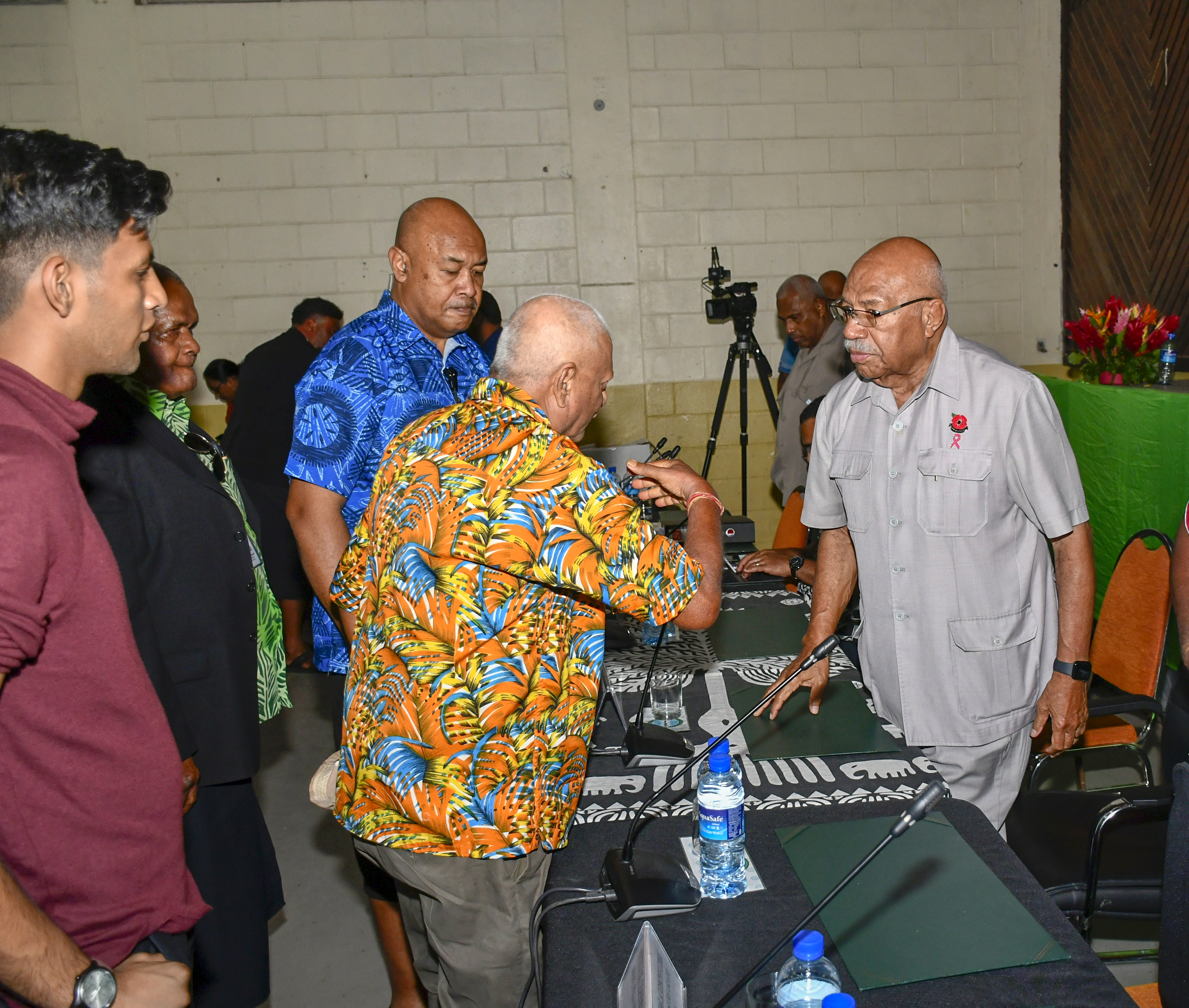
In the lead-up to these critical dates, a special parliamentary select committee is actively travelling across the country, providing citizens a formal platform to raise grievances, request revisions, and debate the proposed legislation before MPs cast their final votes.
Following last week’s sessions in Sigatoka, Nadi, and Lautoka, the next round of consultations moves directly into Ba, Rakiraki, Tavua, Wainibuka, and Korovou.
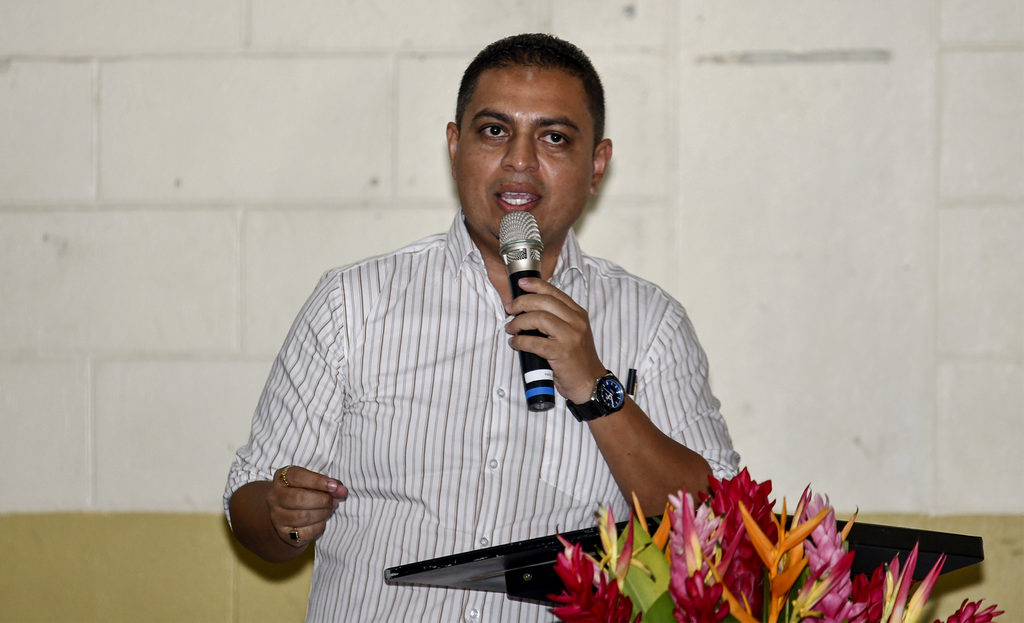
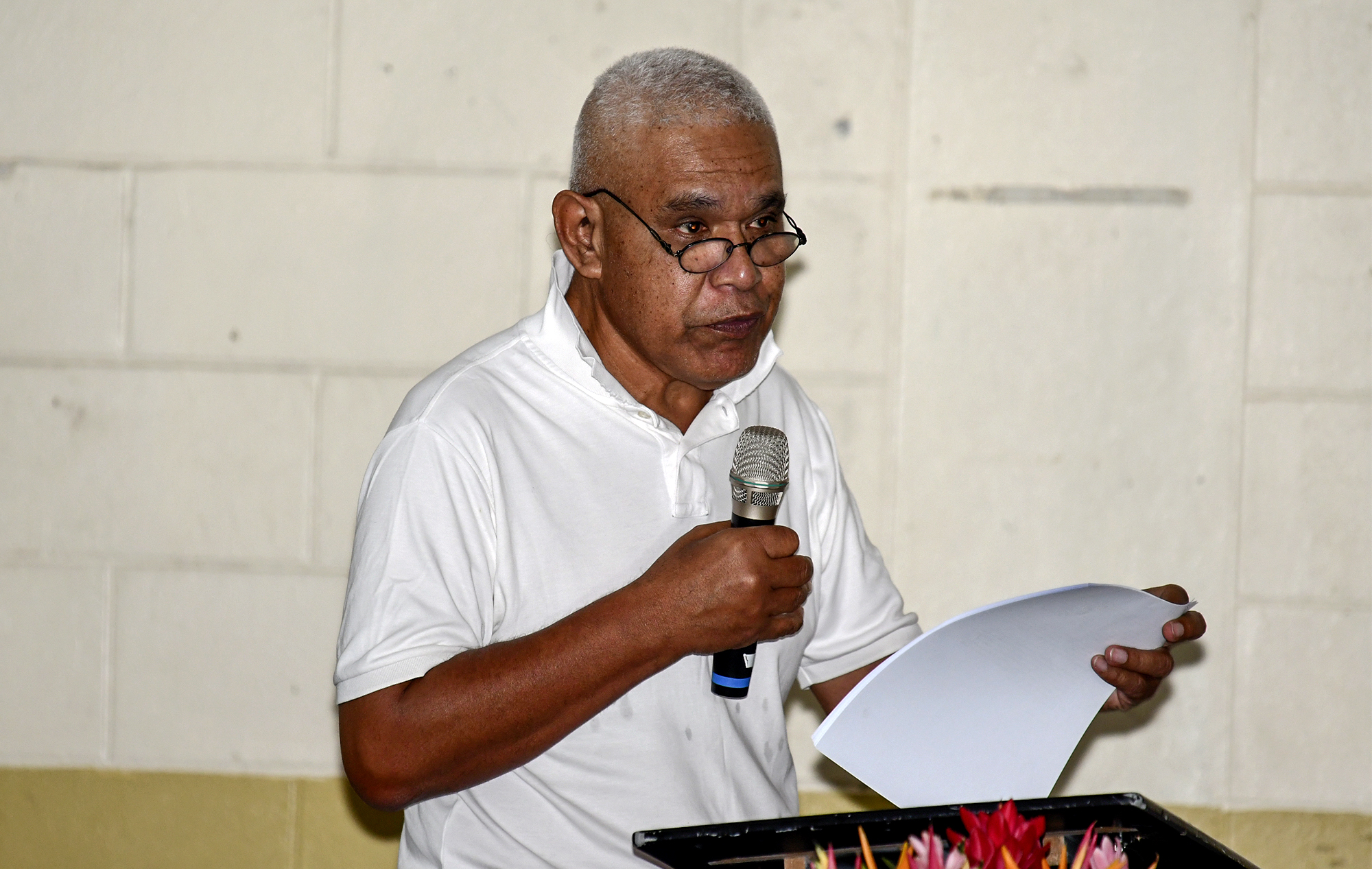
Throughout the Western Division, public submissions ranged from deeply traditional concerns to practical governance matters.
In Sigatoka, participants called for the return of iqoliqoli rights to the iTaukei, stronger collaboration with the Great Council of Chiefs to combat the rising national drug epidemic, and the establishment of a dedicated mental health facility and rehabilitation centre in the Western Division.
However, many Sigatoka residents expressed frustration with the overall consultation timeline, characterising the process as hasty and constrained by strict speaking limits. Questions were also raised regarding the financial prudence of re-establishing the Senate, with several contributors arguing that public funds would be better directed toward affordable housing and critical infrastructure.
In Nadi and Lautoka, community discussions focused on protecting native culture, land usage, and traditional values, while also delving into the legal precision of the draft bill. Citizens scrutinised grammar, punctuation, and specific legal phrases, including the definition of “moderate chastisement”.
Others voiced concern over whether the Senate should be appointed or elected, and debated a clause detailing potential pathways for Rotuma’s statehood.
Participants cautioned against dividing the country, emphasising that Fiji is already a small nation in the vast Pacific Ocean.
Responding to community queries regarding parliamentary procedure, Mr Rabuka clarified the legislative journey ahead.
“We’re here with the proposed Bill, Bill Number 32, on the Constitution Amendment. That has gone through the second reading in the House.
“The second reading was mostly the debate on the chapters and the various characters of those chapters and what they do for the country and where they differ from the Constitution of 2013.
“When we go back with the result of our consultations, we will have to present those to Parliament,the possible amendments to the Bill that was read a second time.”
He stressed that during the upcoming third reading, Parliament will proceed chapter by chapter, and clause by clause, voting on each element until the entire legislation is finalised.
“The third reading must happen before the end of the first week unless it moves, or if we ask the Speaker and the Business Committee to extend so that we can completely debate the third reading, then it will be done in November.
“Nothing can go beyond the 24th of December. Do not let the criticism confuse you, stating that we will try and move or suddenly hold the elections. The Elections Office will decide on the election dates.”
Despite the Government’s structured approach, the proposed overhaul faces resolute opposition from prominent legal and academic figures.
Speaking at the public consultation in Nadi, University of Fiji vice-chancellor Professor Shaista Shameem urged the Parliamentary Select Committee to completely abandon the draft Bill and return to the drawing board.
Professor Shameem warned that recurring constitutional rewrites have historically brought instability to the nation rather than lasting peace.
“Our recommendation is that we should abandon this draft,” she said.
“Abandon it, don’t do it, you haven’t given us good enough reason to say why we should have it.”
In response to calls to abandon the Bill, Mr Rabuka defended his administration’s position, noting that several prosperous countries around the globe operate smoothly without a single, written supreme constitution.
He observed that close to Fiji, six nations govern effectively using ordinary legislation passed by their respective parliaments.
Firmly defending his Coalition Government’s legal strategy, Mr Rabuka insisted that amending the 2013 Constitution from within the parliamentary system remains the only lawful path forward, even if his government initially contested power under a document it opposed.
“We accepted that it was the law at the time, but then we came in with the primary objective of the parties.
“We were going to start the movement for the amendment of the 2013 Constitution because we believe that it was not promulgated by the people, it was not accepted by the people.”
He pointed out that participating in three consecutive national elections under the 2013 document conferred a degree of practical legitimacy that could not be ignored.
“So, we had to go in to be able to defeat it or change it, and the only way to do it is from within Parliament, and that’s what we have done.”
Adding another layer to the constitutional debate, constitutional law expert Professor Anthony Regan stated on August 1, 2024, during a leadership seminar at Fiji National University about the risks inherent in leaving the current legal framework unchanged.
Professor Regan warned that leaving the 2013 structure completely intact leaves the country exposed to future regimes that could potentially override human rights or stack accountability institutions.
He further clarified that Section 131(2) gives the military no guardianship role over the constitution, emphasising that constitutional oversight belongs strictly to the courts.
As the parliamentary select committee prepares for its next leg of public hearings, Mr Rabuka remains confident in the process, confirming that the committee is fully prepared to hear all interest groups as the nation moves closer to the decisive December vote.