
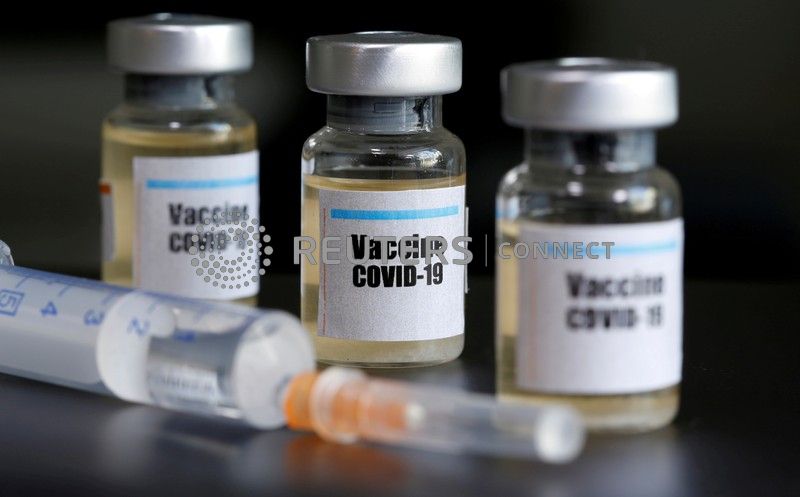
Until a vaccine for COVID-19 is available, immunisations can and must be delivered by health services alongside the response to the global pandemic.
Dr Carissa Etienne, director of the Pan American Health Organization (PAHO) — a specialised international health agency for the Americas — made this call at a press briefing in Washington, US last week as she urged for vaccination programs to continue during the COVID-19 pandemic.
She said should countries fail to do this, “the impact on our health systems would take months or even years to reverse”.
“If we fall behind on routine immunisations, particularly for children, we risk outbreaks, thus overwhelming hospitals and clinics with preventable diseases in addition to COVID-19,” Dr Etienne said.
She said a priority for countries was to vaccinate to protect health workers, the elderly and vulnerable populations from other respiratory infections, such as influenza and pneumococcus.
She reasoned those infections could lead to more hospitalisations and may be harder to diagnose in the context of the novel coronavirus.
“Maintaining capacity in vaccination is also key to ensuring the region’s readiness to deliver the vaccine for COVID-19 when it is developed.”
Dr Etienne said history had showed that after wars or epidemics, if large gaps in immunisation coverage were allowed, vaccine preventable diseases like polio and measles could re-emerge.
“Efforts to control measles must continue, safely, amid the COVID-19 pandemic or we risk erasing more than 20 years of progress,” she said in her briefing.
Last Friday, Prime Minister Voreqe Bainimarama said the Ministry of Health and Medical Services had begun its door to door LTDD campaign to fight leptospirosis, typhoid, dengue fever and diarrhoea in the country.
Mr Bainimarama had said LTDD and COVID-19 shared many of the same symptoms and the same precautions could be taken to combat it. As of May 2, 2020, the World Health Organization (WHO) has reported 3,267,184 cases of COVID-19 and 229,971 deaths globally.

