
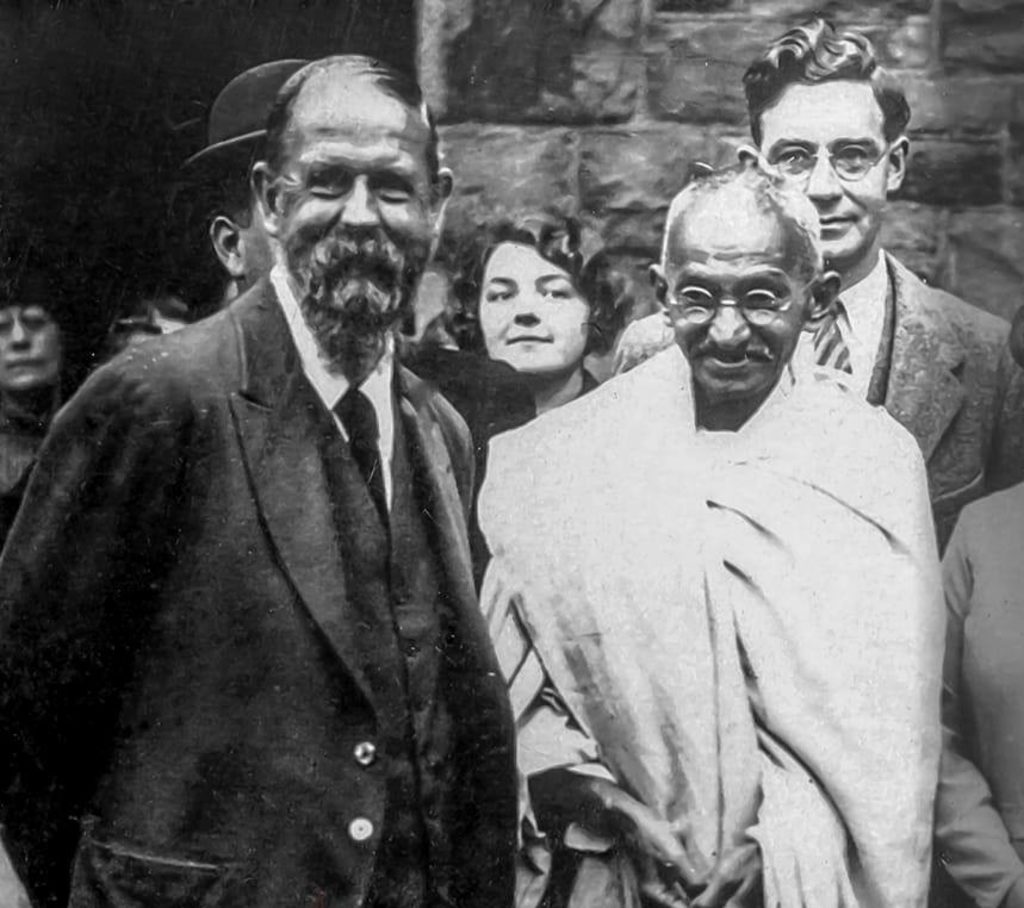
IT is now 147 years since the arrival of the first Indian indentured labourers to Fiji aboard the ship Leonidas on May 14, 1879, an event that marked the beginning of one of the most significant and painful chapters in Fiji’s colonial history.
Between 1879 and 1916, more than 60,000 Indians were transported to Fiji under the British indenture system, known among descendants as the Girmit system. Recruited largely from impoverished villages across India, these labourers were contracted to work on sugar plantations under harsh and often brutal conditions.
As Fiji has commemorated Girmit Day this month, it is fitting to remember not only the resilience and sacrifice of the Girmitiyas themselves, but also the international figures who stood beside them during their struggle. Among the most important of these was the Reverend Charles Freer Andrews, an English priest and humanitarian remembered affectionately in India as Deenabandhu, or “Friend of the Poor”.
Though widely known for his close friendship with Mahatma Gandhi and his support for India’s independence movement, Andrews also occupies a special place in Fiji’s history for the instrumental role he played in exposing and helping dismantle the indenture system.
England to India
Born on February 12, 1871, in Newcastle upon Tyne, Andrews came from a deeply religious family and was one of 14 children. His upbringing was shaped by modest means and strong Christian values, experiences that later profoundly influenced his commitment to social justice.
An academically gifted student, Andrews attended King Edward’s School in Birmingham before studying Classics at Pembroke College, Cambridge, where he distinguished himself as a scholar. Ordained as an Anglican priest, he initially appeared destined for a traditional academic and religious career in England.
That path changed dramatically in 1904 when Andrews travelled to India to join the Cambridge Mission to Delhi, taking up a teaching post at St Stephen’s College.
India transformed him.
While teaching philosophy and engaging with students and local communities, Andrews became increasingly disturbed by the racism and inequality embedded within British colonial society. His Christian beliefs, centred on compassion and equality, brought him into sympathy with Indian political aspirations and social reform movements.
Over time, he formed close relationships with some of India’s leading intellectual and nationalist figures, including Gandhi, Rabindranath Tagore and Gopal Krishna Gokhale.
Friendship with Gandhi
In 1914, Andrews travelled to South Africa to support Indian communities facing racial discrimination. There he met Gandhi, who was then leading campaigns for Indian civil rights.
The two men developed a deep friendship grounded in shared moral conviction and spiritual belief. Andrews became one of Gandhi’s closest confidants and supporters, assisting him in negotiations with South African authorities and later encouraging his return to India in 1915.
Gandhi reportedly referred to Andrews as “Christ’s Faithful Apostle”, while Andrews was among the few who addressed Gandhi simply as “Mohan”.
Their friendship would later intersect directly with Fiji’s history.
Exposing the truth
By the early 20th century, alarming reports about the treatment of Indian indentured labourers in Fiji had begun reaching India. Christian missionaries, returning labourers and activists described widespread abuse, exploitation and degrading conditions on plantations.
In response to mounting concern, the Indian Government dispatched Andrews and his colleague, educator William Walter Pearson, to Fiji in 1915 to conduct an independent investigation into the indenture system.
What they discovered shocked them.
Travelling extensively across Fiji, Andrews and Pearson visited plantations, labour lines and settlements, speaking directly with labourers, overseers and colonial officials. They later interviewed former labourers who had returned to India.
Their findings painted a grim picture of life under indenture.
The official report titled ‘Report on Indentured Labour in Fiji’ documented harsh working conditions, physical abuse, poor housing, social dislocation and moral degradation within the plantation system. The report concluded that the system was fundamentally exploitative and incompatible with basic human dignity.
For many in British India, the report confirmed what activists had long argued: that indenture was little different from slavery in another form.
A turning point
The publication of Andrews’ report triggered outrage across India and intensified pressure on the British Government to end the transportation of Indian labourers to overseas colonies.
Andrews did not stop there.
In 1917, he returned independently to Fiji to assess whether reforms had genuinely improved conditions. Although some changes had been introduced, he remained deeply troubled by ongoing exploitation and concluded that reform alone was insufficient.
He began campaigning openly for the complete abolition of indenture.
Through persistent lobbying, public advocacy and moral pressure, Andrews became one of the leading international voices calling for the system’s dismantling. His stature as an English clergyman gave added weight to the campaign, particularly within British political circles.
By 1920, the indenture system in Fiji had formally ended.
For descendants of Girmitiyas, Andrews remains one of the few prominent outsiders who used his privilege and influence to confront the injustices of empire directly.
Education and Legacy in Fiji
Andrews believed that education was essential to uplifting oppressed communities and building dignity and opportunity for future generations.
In 1918, he played a significant role in establishing Andrews Primary School, which continues to carry his name today.
The school stands as a lasting reminder of the relationship Andrews forged with Fiji’s Indian community and his belief in social advancement through education.
Beyond Fiji
Andrews’ humanitarian work extended far beyond Fiji.
He maintained a close friendship with Tagore and spent considerable time at Tagore’s Santiniketan school, supporting educational and cultural initiatives. He also campaigned against caste discrimination and untouchability in India and later supported the efforts of B. R. Ambedkar to advance the rights of Dalits.
Although he generally aligned with Gandhi’s philosophy of nonviolence, Andrews was never afraid to disagree with him on matters of principle. During the First World War, for example, Andrews opposed Indian military recruitment efforts that Gandhi had reluctantly supported.
At the heart of Andrews’ activism was a deeply personal Christian faith. In his 1932 spiritual autobiography, What I Owe to Christ, he argued that faith demanded active service to the poor and marginalised rather than mere religious observance.
His life reflected that belief.
He reportedly donated much of the income from his writings to support educational projects and humanitarian causes.
Lasting memory
In 1936, Andrews returned to Fiji one final time. By then, the descendants of former indentured labourers had established communities and begun building new lives, though many still faced economic hardship and inequality.
During that visit, Indo-Fijian farmers raised concerns with Andrews about the dominance of the Colonial Sugar Refining Company in Fiji’s sugar industry. While sympathetic to their concerns, Andrews also acknowledged how significantly conditions had improved since his earlier visits two decades earlier.
Charles Freer Andrews died on April 5, 1940, during a visit to Calcutta.
More than eight decades after his death, his legacy endures in both India and Fiji.
The reverend is remembered not simply as an English priest or ally of Gandhi, but as a humanitarian who chose to stand beside ordinary labourers against one of the British Empire’s most exploitative systems.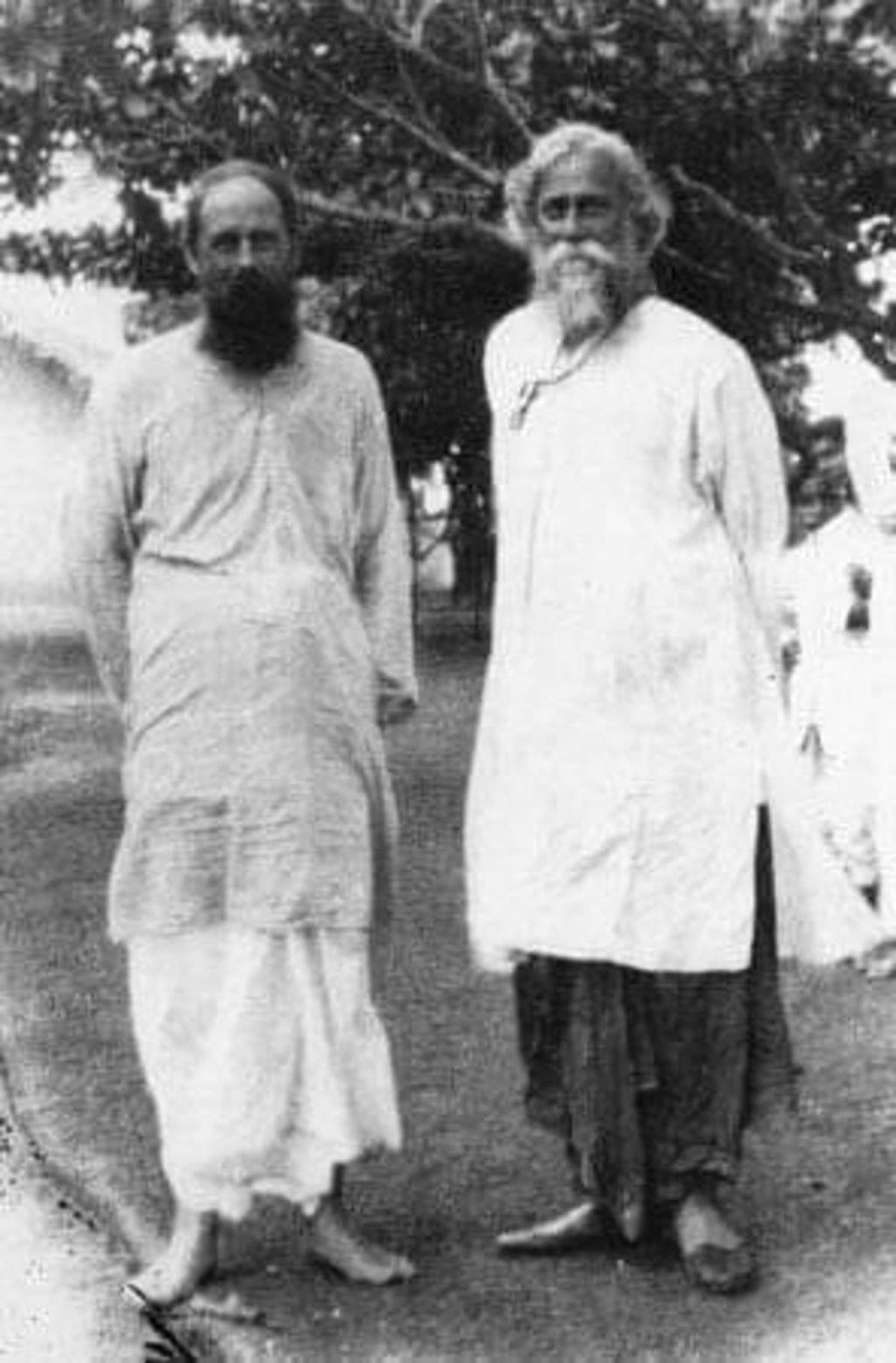
Andrews with poet and philosopher Rabindranath Tagore at Santiniketan, where the two shared a close intellectual and spiritual friendship centred on education, justice and social reform.
Picture: SUPPLIED
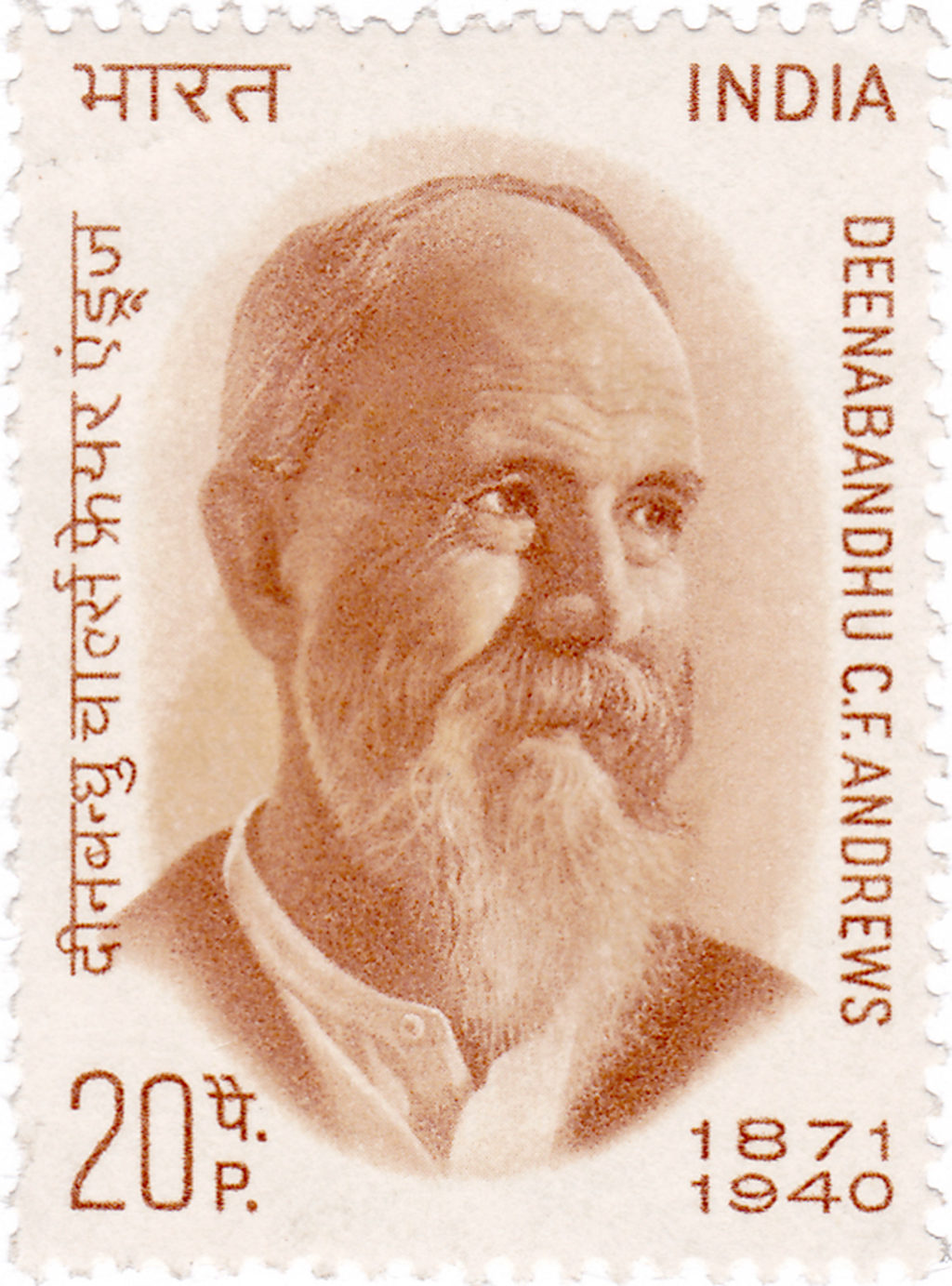
An Indian commemorative postage stamp honouring Andrews, whose humanitarian work and support for Indian independence earned him enduring respect across India and the wider British Empire.
Picture: WIKIPEDIA
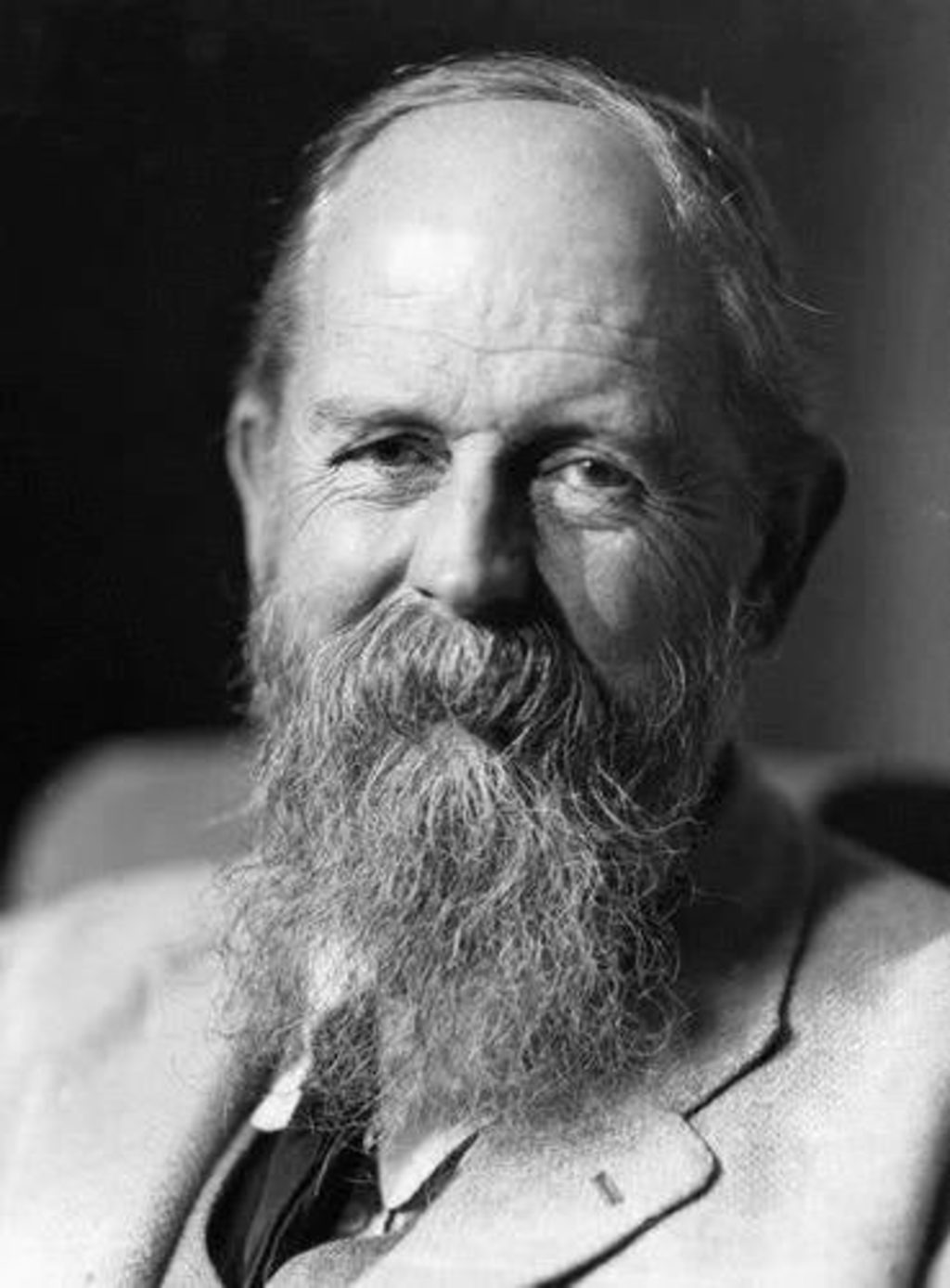
The Reverend Charles Freer Andrews, affectionately known in India as Deenabandhu or “Friend of the Poor”, played a pivotal role in exposing the abuses of Fiji’s indenture system and campaigning for its abolition in the early 20th century. Picture: GETTY

