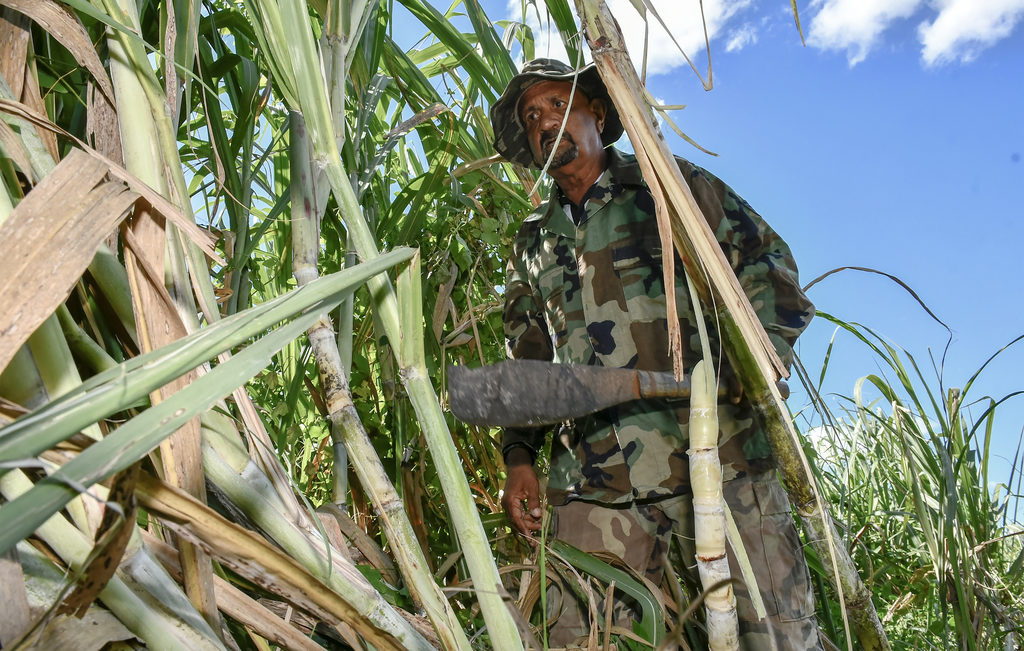
The Government intends to develop a National Sugar Industry Transformation Strategy aimed at reviving Fiji’s struggling sugar industry through mill modernisation, increased cane production, mechanisation and diversification into new products.
Prime Minister Sitiveni Rabuka announced the initiative in Parliament last week while presenting the Review Report on the Sugar Industry.
Mr Rabuka said the strategy would bring together various reform initiatives under one coordinated national framework.
“Government intends to progress a National Sugar Industry Transformation Strategy to bring together the various reform initiatives under one coordinated national framework,” he said.
The strategy will focus on eight key areas, including grower profitability, improved milling efficiency, harvesting and transportation, land tenure security, institutional governance and the development of a new sugar mill.
It will also explore opportunities in ethanol, refined sugar, renewable energy, private-sector investment and access to international markets.
Mr Rabuka said the industry required fundamental structural changes to secure its future.
“The future of the sugar industry requires a fundamental review of how it is structured, financed and managed,” he said.
He said the Government was progressing a multi-year reform programme, including plans for a state-of-the-art sugar mill.
However, he stressed that the proposed investment must be supported by sound technical and commercial assessments covering location, capacity, financing, cane supply and market viability.
Mr Rabuka said modernising the Fiji Sugar Corporation was essential to improving operational efficiency and financial sustainability.
“FSC must become an efficient, commercially disciplined and financially sustainable enterprise,” he said.
He also highlighted the need to accelerate mechanisation to reduce harvesting costs, address labour shortages and improve productivity, while ensuring smaller growers benefited.
On diversification, Mr Rabuka said Fiji needed to look beyond traditional raw sugar production.
“The industry’s future must extend beyond traditional raw sugar production,” he said.
The Government is exploring opportunities in ethanol, refined sugar, renewable energy and other biofuels, including sustainable aviation fuel, where commercially viable.
Mr Rabuka said these initiatives could generate additional export earnings, employment and energy security.
He stressed that continued Government financial assistance to FSC must be accompanied by stronger financial management, prudent borrowing and commercial accountability.
The proposed national strategy will establish clear responsibilities, financing requirements, implementation timelines and measurable targets for cane production, sugar recovery, mill efficiency and grower profitability.
Mr Rabuka said the Government would work with growers, landowners, industry institutions, the private sector and development partners to ensure the strategy was practical, commercially sound and nationally owned.