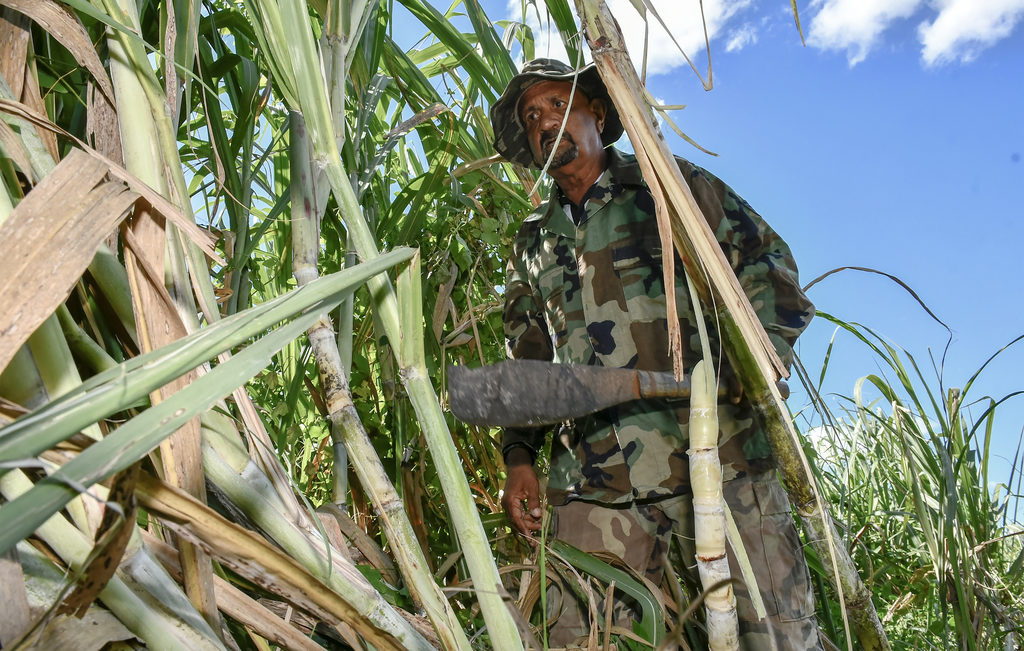
Government consultations with sugarcane growers across the Western and Northern Divisions have uncovered six major challenges affecting Fiji’s sugar industry, including concerns over cane prices, frequent mill breakdowns, declining productivity and labour shortages.
Prime Minister Sitiveni Rabuka revealed the findings while presenting the Review Report on the Sugar Industry in Parliament last week.
Mr Rabuka said consultations with growers, together with deliberations by the Advisory Committee, had identified six priority areas requiring attention.
“Growers raised concerns about the adequacy of the $85 minimum cane price amid increasing harvesting, transportation, labour and farm input costs,” he said.
He said sustainable improvements in growers’ income would depend on higher productivity, better cane quality and improved sugar recovery.
The consultations also exposed continuing operational problems at the Fiji Sugar Corporation (FSC).
“Frequent mill breakdowns, crushing delays, low sugar recovery and inadequate maintenance continue to undermine industry performance,” Mr Rabuka said.
“Improving mill reliability, operational efficiency and recovery rates must be a priority.”
Declining farm productivity was another major concern, with average cane yields of approximately 50 to 53 tonnes per hectare.
Mr Rabuka said underutilised land, ageing farmers and limited youth participation highlighted the need for improved farming practices and agricultural support.
Labour shortages and the need for greater mechanisation were also raised during the consultations.
He said the Government must accelerate access to suitable harvesting machinery, cooperative arrangements and practical mechanisation solutions.
Land tenure and lease security emerged as another concern, with uncertainty over agricultural lease renewals affecting growers’ confidence to invest.
“Government must balance the rights of landowners with the need for greater certainty in long-term agricultural investment,” he said.
The consultations also identified the need for stronger institutional governance and accountability, including better grower representation, improved coordination, reliable industry data and clearer institutional responsibilities.