THE Government is looking at strengthening proven HIV prevention programs, including safe needle and syringe exchange, as Fiji grapples with an escalating HIV crisis.
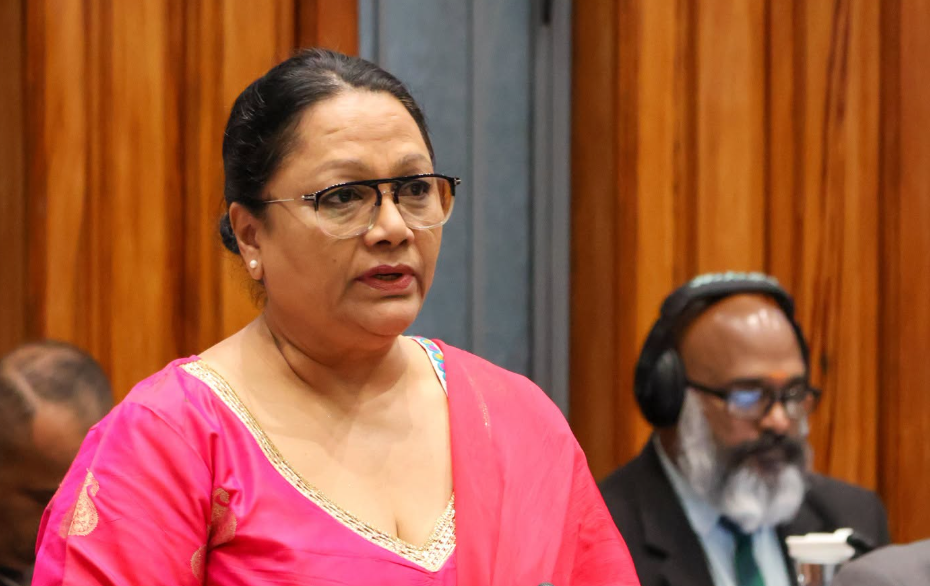
Minister for Information Lynda Tabuya said Cabinet had discussed the need for a stronger response, including greater emphasis on preventing sexually transmitted infections (STIs).
She said safe needle and syringe exchange had been proven effective in reducing HIV transmission and would form part of a broader Government response.
“We are hoping that we will be able to look at the different programs, like the safe exchange of needles and syringes, which has been proven to be an effective way of reducing the spread of HIV,” Ms Tabuya said.
She described the situation as “a national crisis, a health crisis for our country” and said HIV and STI prevention needed to be addressed together.
“They need to go hand in hand in order to deal with this national crisis,” she said.
UNAIDS projections indicate Fiji could have about 25,000 HIV cases by 2030 if current interventions are ineffective.
Dr Jason Mitchell, chairperson of the National HIV Outbreak Cluster Response Task Force, has estimated that 1.2 per cent of Fijians aged 15 to 49 — about one in every 60 adults — are living with HIV.
Ms Tabuya said the crisis could not be tackled by the health sector alone.
“We have to look at a whole-of-government and a whole-of-society approach,” she said.
Needle sharing linked to drug use, she said, was a major driver of transmission and called for closer co-operation between the ministries of Health and Policing.
“We need the Ministry of Policing as well to come in to work with the Ministry of Health in order to deal with this issue holistically across the ministry.”