
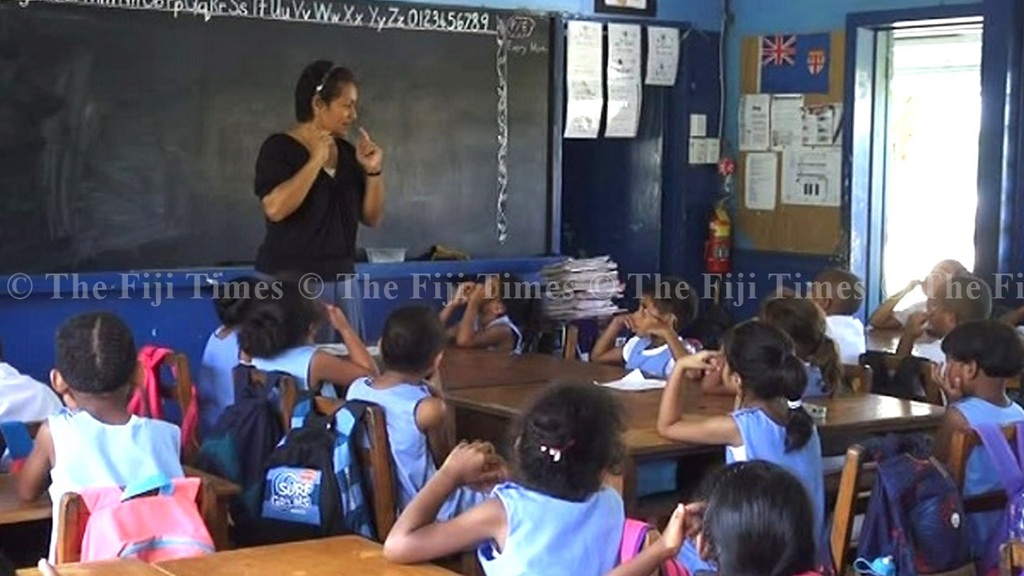
Mild punishments in classrooms can wound a child’s dignity and cause lasting emotional harm.
This was highlighted by permanent secretary for Justice Selina Kuruleca during the National Conversation on Corporal Punishment held at the University of the South Pacific.
Ms Kuruleca said punishments such as pulling ears, standing on one leg, or sitting on the floor were often used as an alternative to corporal punishments in schools today.
While such practices were often viewed as gentler alternatives, she said they could still inflict psychological harm.
“The psychology remained the same,” Ms Kuruleca said.
“Pain, shame, and humiliation are still being used as teaching tools.”
She explained that although these actions may not leave visible bruises, they could damage a child’s self-worth and sense of safety.
“They may not leave bruises that are visible to you and me, but they still wound the dignity of the child.
“They teach shame, not accountability. Discipline should never be about humiliation; it should be about restoration.”
Ms Kuruleca said positive discipline does not abandon cultural or moral values but instead restores their original purpose.
“When we speak of positive discipline, we are not abandoning our values.
“We are returning to their true meaning. We are saying that authority and compassion can and must coexist.”
She added that in schools, the focus should shift from punishment to learning and restoration.

