MORE than 65 per cent of fish in Fijian waters contain microplastics.
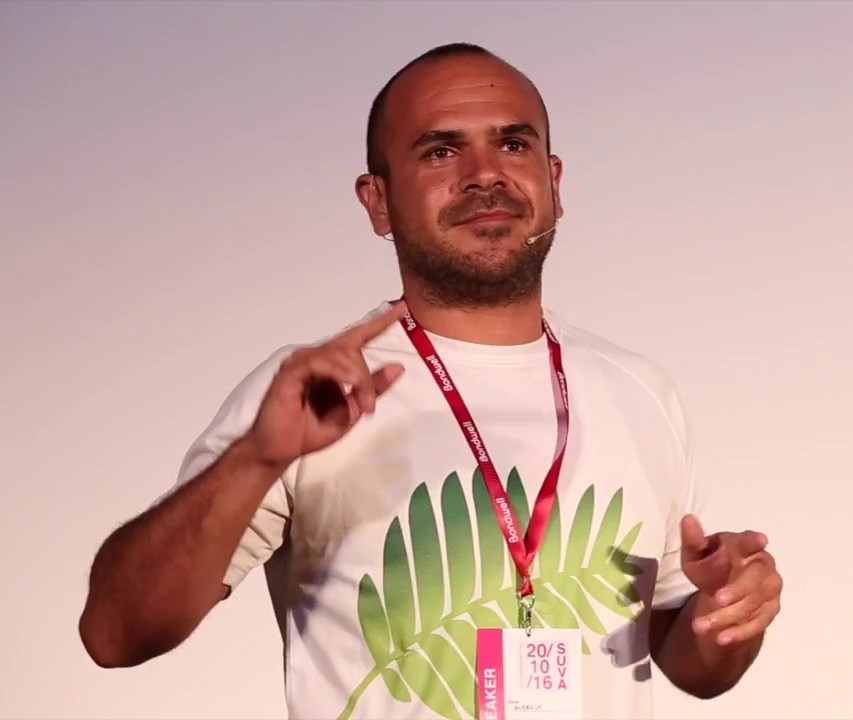
This, according to a study by University of the South Pacific Master of Science student Andrew Paris.
He carried out a microplastic research and samples along Fiji and Tonga waters as part of his Masters thesis last year.
Mr Paris said results from the study by the USP School of Marine Studies (SMS) team led by Dr Marta Ferreira showed 67.5 per cent of fish found along the coastal environment of the greater Suva area contained microplastics.
“The SMS team looked at common species namely kanace, kabatia, kake and nuqa and found that higher levels of microplastic were observed in the fish on the east side of the Suva peninsular (Laucala Bay) compared to fish on the west side (vanua o Navakavu, which is a marine protected area 5km west of Suva),” he said.
“We spent the last two years collecting samples around Viti Levu and expect full results to be published next year.”
Mr Paris said the results were not surprising considering the sources of microplastics in the marine environment.
“Microplastics can either be primary microplastics, manufactured as microbeads, capsules, fibres or pellets or secondary microplastics, which are the result of larger pieces of plastic breaking down into smaller pieces.
“This occurs when plastic debris is exposed to sunlight and begins to weather and fragment, basically what happens to plastic waste discarded carelessly in the environment.”
Despite the findings, he said most fish were still safe for consumption since microplastics were found in the fish gut and Fijians mostly gutted them before cooking.
“Personally, I feel the Fijian Government is beginning to take steps in the right direction to reduce our plastic consumption.
“I am optimistic we can drastically reduce plastic usage with a great cast of people and organisations championing the cause, however, a lot of the issues we face, come down to the mentality of the community.
“All too often we see plastics dumped carelessly into the environment without considering the effects it will have.
“For instance a single PET bottle will take around 450 years to completely break down.
“Perhaps if people realised the plastic they discard carelessly could actually end up back on their dinner tables they would think twice.”
A separate study by Nina Wootton of the University of Adelaide found that 50.8 per cent of fish sold in Fiji’s municipal markets contained microplastics.