
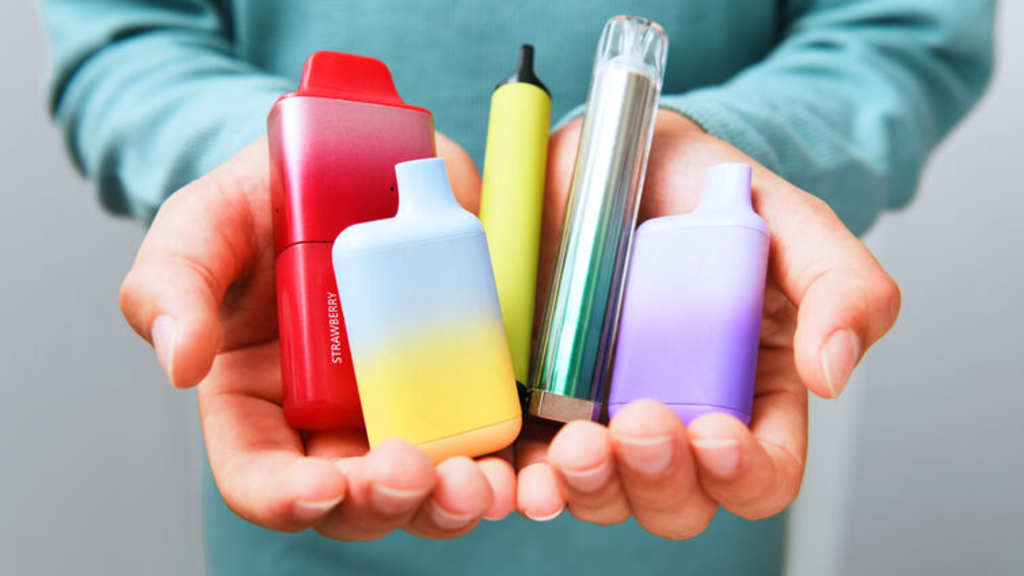
A new study published in the New Zealand Medical Journal has delivered a nuanced but cautionary message on vaping.
While the commonly pedalled narrative about vaping is that it may be less harmful than traditional cigarettes, it is far from risk-free and carries a measurable carcinogenic threat of its own.
The research, led by Professor Ian Shaw of the University of Canterbury, assesses the cancer risk posed by chemicals found in “vape smoke” — the aerosol inhaled by users.
Drawing on chemical analysis and existing toxicological data, the study concluded that vaping introduces carcinogens—agents capable of causing cancer by damaging cell DNA—into the body, even if at generally lower levels than tobacco smoking.
At the centre of the analysis is a shift in how vaping is used.
Originally developed as a smoking cessation tool, vaping has evolved into a widespread habit in its own right, particularly among young people.
This transformation, researchers argue, fundamentally alters the risk-benefit equation.
“Someone taking up vaping not as a tool for smoking cessation is adding carcinogenic risk to their daily risk profile,” the study noted .
A chemical pathway to harm
The research focuses on what happens when vape liquid — typically composed of propylene glycol, glycerine, nicotine and flavouring agents — is heated.
At temperatures approaching 190°C, these substances break down to form toxic aldehydes, including formaldehyde, acrolein and acetaldehyde.
These compounds are well known in toxicology.
Formaldehyde, for instance, is classified as a Group 1 carcinogen by the World Health Organization’s cancer research arm, meaning there is strong evidence it causes cancer in humans.
The study found that the levels of formaldehyde produced by some vape devices can rival and in certain conditions exceed those found in cigarette smoke.
Although exposure patterns differ, the presence of such compounds raises clear concerns.
Acrolein, another byproduct, is described as highly toxic and capable of damaging DNA and proteins.
While its mutagenic effects are considered lower than formaldehyde, the study highlighted that exposure from vaping can still reach levels associated with harmful biological changes in animal studies.
By contrast, acetaldehyde appears to pose a lower carcinogenic risk in the vaping context due to the body’s ability to detoxify it more effectively.
However, researchers caution that the cumulative effect of multiple chemicals, many acting through similar mechanisms could amplify harm.
Lower risk, but not safe
A key finding of the study is that while vaping is likely less carcinogenic than smoking, the difference is one of degree rather than kind.
Cigarette smoke contains a broader range of potent carcinogens, including substances such as benzo[a]pyrene, which are absent or present at lower levels in vape emissions.
This makes vaping a potentially useful harm-reduction tool for smokers seeking to quit.
However, the study stresses that this relative benefit should not be misinterpreted as safety.
“Vaping presents an unquantifiable cancer risk,” the authors state, noting that the absence of long-term epidemiological data makes precise risk estimation difficult .
The uncertainty stems from the relatively recent rise of vaping.
Unlike tobacco, whose health impacts have been studied over decades, vaping lacks long-term population data, leaving researchers reliant on laboratory and animal studies to predict outcomes.
Youth uptake raises alarm
The findings come against a backdrop of rising vaping rates, particularly among younger populations.
In New Zealand, the study noted, vaping is now more common than smoking among people under 45, with more than one in five individuals aged 15–24 reporting regular use .
Researchers attribute part of this trend to the availability of flavoured vape products, which may make the habit more appealing to adolescents and non-smokers.
This, they argue, represents a significant public health concern.
The concern is not merely about nicotine addiction, but about exposure to carcinogenic substances among individuals who might otherwise have avoided them entirely.
The precautionary principle
In the absence of definitive long-term data, the study advocates for a precautionary approach.
While it supports the use of vaping as a smoking cessation aid — where the benefits may outweigh the risks — it finds little justification for recreational or non-cessation use.
“There is a definite benefit of vaping as part of a smoking cessation programme,” the researchers conclude, “but… its predicted cancer risk is difficult, if not impossible, to justify” when used independently of quitting smoking .
The study also highlighted the complexity of chemical interactions within vape emissions.
The combined effects of multiple aldehydes may be additive or even synergistic, potentially increasing overall carcinogenic risk beyond what individual compounds might suggest.
A shifting public health narrative
The research contributes to a growing body of evidence challenging the perception of vaping as a harmless alternative to smoking.
Instead, it positions vaping within a spectrum of risk — lower than cigarettes, but still significant.
For policymakers, the findings underscore the need for balanced regulation that supports harm reduction for smokers while limiting uptake among non-smokers, particularly youth.
For the public, the message is more direct, which is that while vaping may be less dangerous than smoking, it is not safe.
As long-term studies continue to evolve, the study’s central warning is that replacing one harmful habit with a less harmful one may reduce risk, but starting a new one carries consequences of its own.
This article is based on research that was published in the New Zealand Medical Journal by researchers from the University of Canterbury led by Professor Ian Shaw titled, Is it safe to vape? Assessing the carcinogenic risk of “vape smoke”.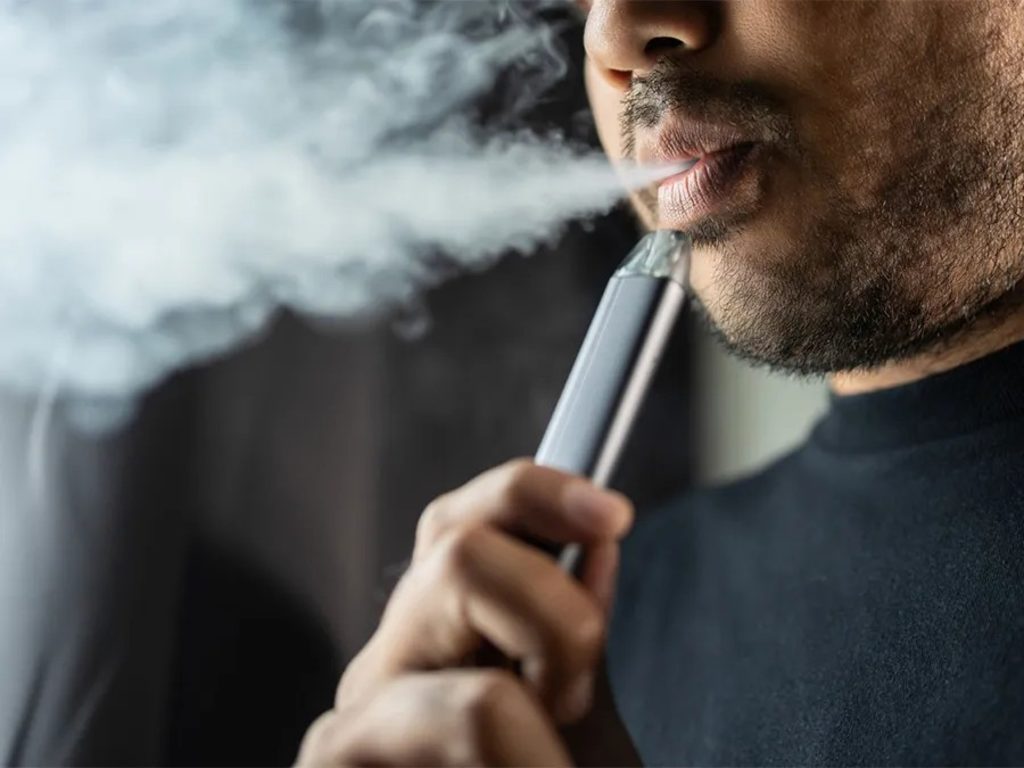
Researchers from the University of Canterbury have found that while vaping may be less harmful than smoking, it still exposes users to carcinogenic chemicals linked to cancer risk. Picture: BRITANNICA

