
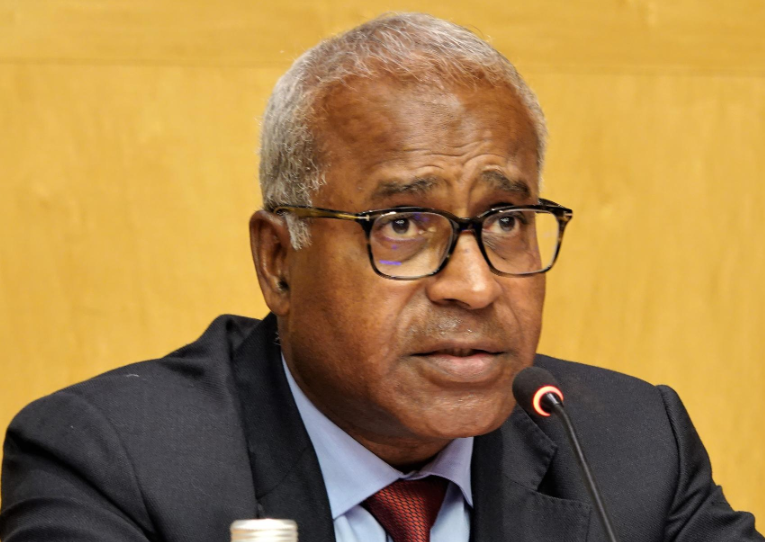
Fiji’s Permanent Representative to the United Nations, Filipo Tarakinikini, has publicly questioned the proposed $1.4 billion waste-to-energy incinerator at Vuda-Saweni, warning that critical environmental and public health concerns must be addressed before the project proceeds.
Speaking in a strongly worded statement posted on social media, Mr Tarakinikini said his views were shaped not only by his diplomatic role but by personal conviction.
“I write this not as a diplomat managing a talking point, but as a Fijian son — someone whose roots run deep into the soil of this archipelago,” he said.
“The earth we inherit is a sacred trust, not a commodity to be traded away for short-term convenience.”
The project, led by Australian investors Ian Malouf and Rob Cromb through The Next Generation Holdings (Fiji) Pte Limited, has sparked growing national debate, with Mr Tarakinikini describing public scrutiny as both “healthy” and necessary.
“The Fijian people deserve complete, honest, and scientifically grounded information — not marketing brochures dressed up as environmental assessments,” he said.
He revealed that he had reviewed available data and raised serious concerns about the proposal’s implications.
“I have studied the science, examined the proponents’ track record, and I am compelled to speak plainly. What is being proposed raises serious questions that the Government, the investors, and the international community must answer before a single shovel breaks ground.”
A key issue, he said, is the project’s history in Australia.
“The starting point of any honest assessment of this proposal is a simple question: why is Ian Malouf bringing this project to Fiji?” he asked.
Mr Tarakinikini pointed to the rejection of a similar proposal in Australia, noting that Malouf’s company had spent years attempting to establish the facility in Western Sydney before it was ultimately denied.
“In 2019, after sustained community opposition and independent scrutiny, the NSW Independent Planning Commission formally cancelled the application,” he said.
“Their ruling was unambiguous: the project was ‘not in the public interest because there is uncertainty around the project’s impacts on air quality, water quality and human health.’”
He also highlighted concerns about compliance and environmental management, referencing a court ruling against the proponent’s company.
“On the very same day that decision was handed down, a magistrate fined Malouf’s Dial A Dump company for failing to properly cover asbestos waste — a disposal standards violation that speaks directly to whether this operator can be trusted to manage hazardous materials responsibly,” Mr Tarakinikini said.
The comments add to mounting scrutiny over the proposed development, as calls grow for greater transparency and accountability before any approval is granted.

