ABOUT 15 cases involving French Top 14 and Pro D2 clubs are under review by the Fiji Rugby Union as it seeks training and development compensation from overseas organisations recruiting Fijian players.
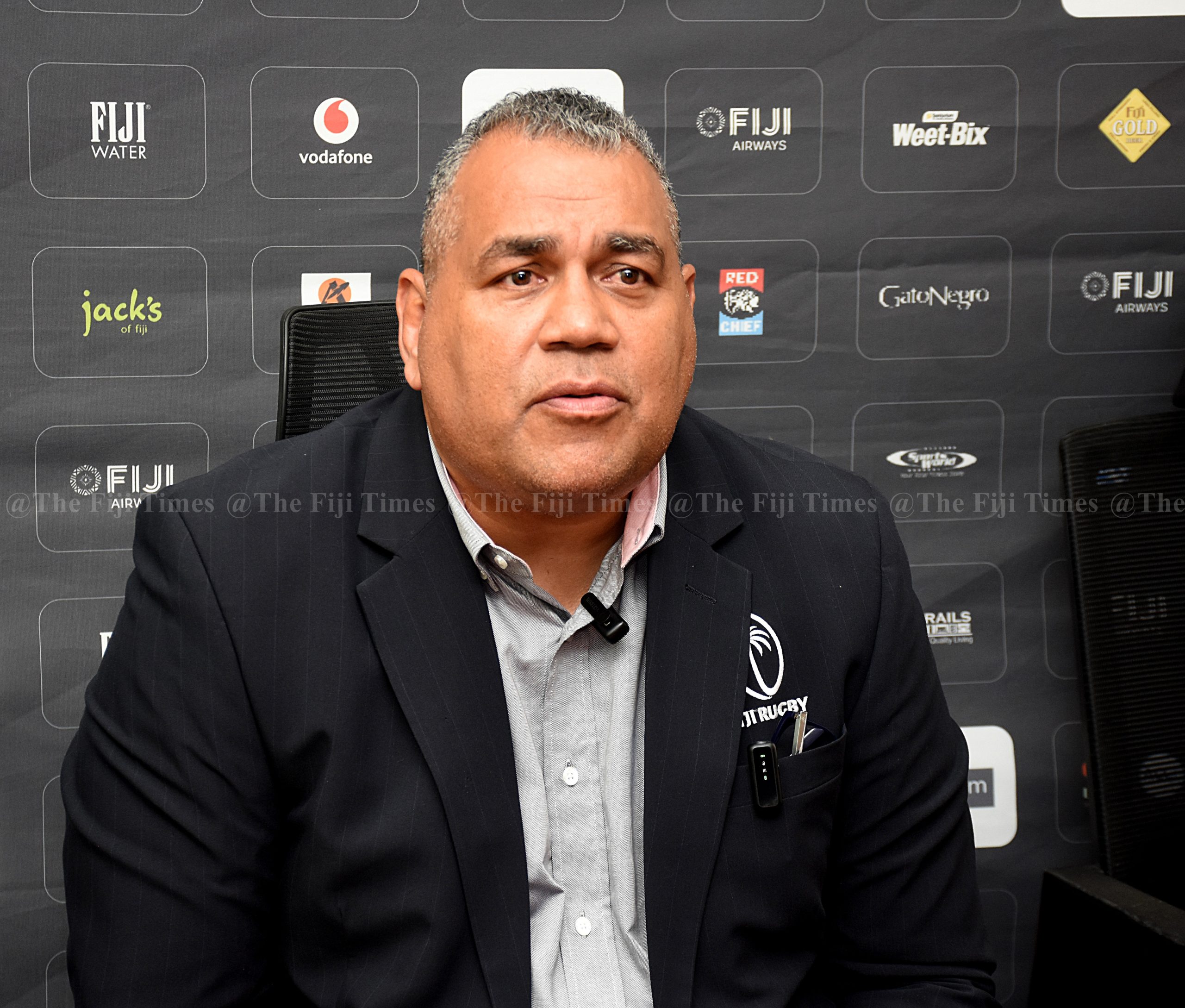
FRU chief executive officer Koli Sewabu confirmed to The Fiji Times that the cases form part of a wider overhaul of international player movements, clearances, development compensation and player protection.
The money is not a fee charged to players.
The FRU says it is compensation payable by receiving organisations for investment made in a player’s training and development, consistent with the principles of World Rugby Regulation 4.
World Rugby’s regulations provide for compensation in qualifying circumstances when a player moves outside his home union and enters into a professional agreement.
The FRU Board adopted the new General Regulations on June 27 covering international player movements, clearances, compensation calculations, player welfare and the regulation of agents and sporting intermediaries.
And the potential value is substantial.
The FRU says compensation can reach about €50,000 in certain cases, but stressed that this is not an automatic charge attached to every Fijian player.
The calculation considers the player’s age, development seasons, registration history, pathway through clubs and provincial unions, high-performance involvement and representative rugby.
The FRU’s Fiji Rugby Management System is intended to provide the evidence, allowing the union to reconstruct where and how a player was developed before signing an international professional contract.
That creates a fundamental test for the system: can Fiji prove its development investment and recover what it is entitled to without turning the player into the battleground?
The FRU says the answer lies in separating the player’s career from the financial dispute.
Clearance allows a player to be registered and play, while the FRU can continue pursuing compensation from the receiving organisation.
That principle is important to the Fiji Rugby Players Association.
FRPA president Ilivasi Tabua said compensation should be a matter between rugby organisations and should not unnecessarily delay a player’s career.
“Fiji should be able to protect and recover legitimate investment in player development, while the player remains protected and free to pursue his or her professional career,” Tabua said.
The FRPA also wants development money to be transparently reinvested into the system that produced the player — including grassroots rugby, schools, clubs, provinces, coaching, refereeing, strength and conditioning, medical and welfare support, education and transition programmes.
It argues that players should also benefit from the value created by their development through structured education, vocational training, financial literacy and post-rugby support.
“The player should never be the last person to understand what is happening with their own transfer,” Tabua said.
That concern extends beyond compensation.
The FRU’s Player Release Commission — comprising representatives from the FRU and FRPA and an independent lawyer — reviews proposed overseas arrangements, including remuneration, accommodation, insurance, medical and injury provisions, living conditions, contracts and agents.
The system reflects concerns already publicly raised by the two organisations about players leaving Fiji without adequate protection.
In August, FRU and FRPA warned players and parents not to sign overseas contracts before they had been reviewed, while requiring agents approaching players aged 19 and under to go through schools and the approved process.
Sewabu has also previously warned of players being left vulnerable overseas when contracts fail to protect them during injury, saying the new process was about “protecting and securing” opportunities rather than blocking them.
The FRPA’s concern is equally direct.
Tabua has previously spoken about players being abandoned by agencies after contracts are signed and the lack of support once players are overseas.
The new framework also proposes a 50-40-10 distribution of recovered compensation — 50 per cent to the FRU Development Fund, 40 per cent to clubs and provincial unions contributing to development, and 10 per cent to the FRPA for player protection, assistance and welfare.
That immediately raises another accountability question: how much money will be recovered, where will it go, and how will Fiji’s development organisations and players know that the system is delivering what has been promised?
The FRU says about 15 French cases are under review, while other cases involving clubs under different World Rugby member unions have also been identified.
It is also engaging World Rugby on the interpretation and application of the relevant provisions.
For Fiji, that makes the current cases more than a dispute over money.
They are an early test of whether a country that has spent decades producing elite rugby talent can build a system that recognises the schools, clubs, provinces and programmes behind that talent — while protecting the player who ultimately carries Fiji’s rugby hopes overseas.
The FRPA’s position is clear: development investment must be recognised, but the player must remain at the centre of the process.
And the next measure of success will not simply be how much Fiji claims.
It will be how much is recovered, how transparently it is reinvested, and whether the player is better protected when the next overseas opportunity arrives.