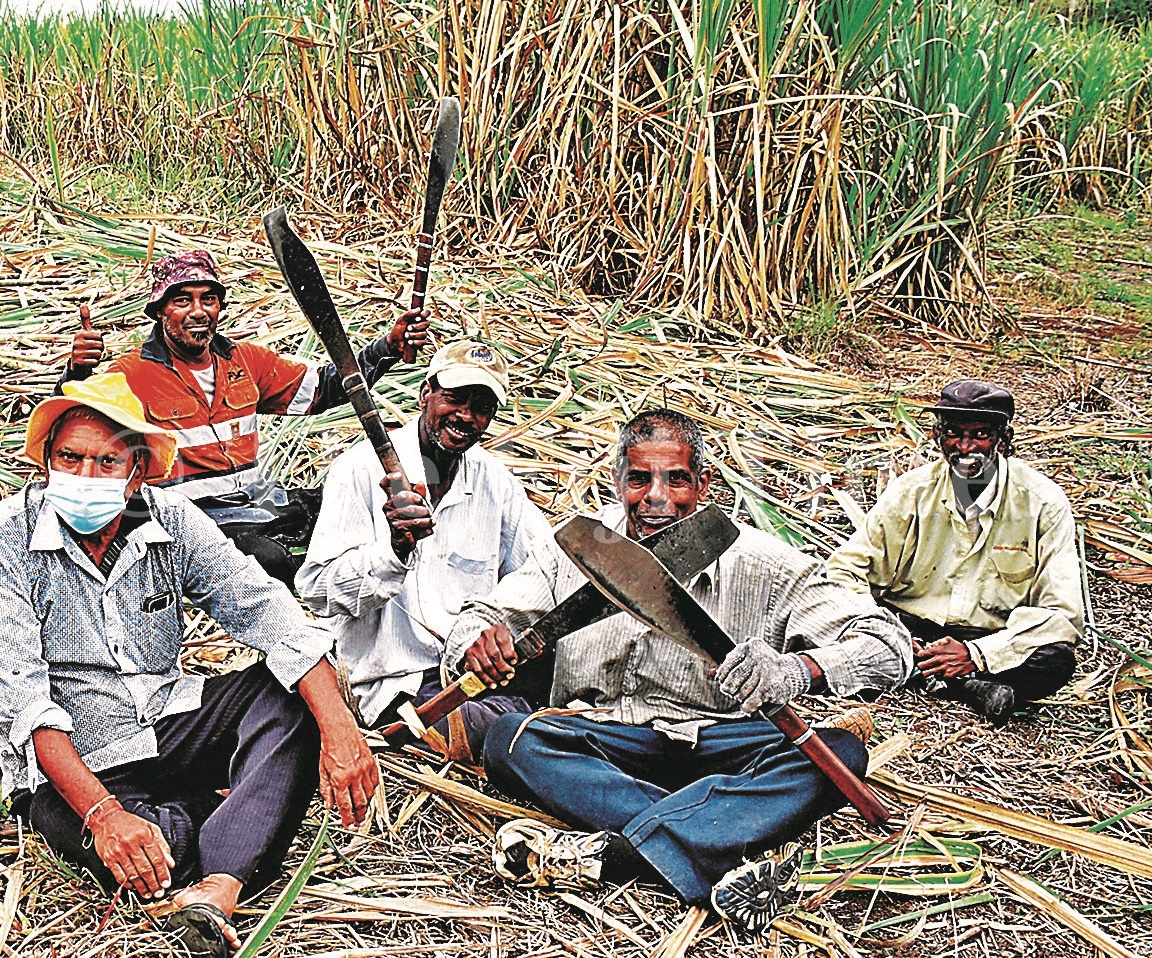
Fiji has an aging sugarcane farmer population with 74 per cent of farmers above the age of 50, states a baseline strategy paper released by the Ministry of Finance, Strategic Planning, national Development and Statistics.
Data provided by Fiji Sugar Corporation shows there were 11,429 active sugarcane farmers in 2021, which reduced to 10,872 in 2022.
The Sugar Cane Growers Fund (SCGF) has details of 6005 farmers, which represents about 50 per cent of active farmers in Fiji.
The SCGF said its record show Fiji had 885 who were above 70 years old, 1345 who were between 60 and 70 years, 1627 farmers were between the ages of 50 and 60, 968 were between 40 and 50 while 464 were below 40 years old.
The most productive farmers in Fiji were between the ages of 50 and 60 who produced 238,079 tonnes of cane in 2022 from 51,950 acres of farm land. Farmers between the ages of 60 and 70 produced 182,582 tonnes of sugarcane in 2022 while those above 70 produced 114,377 tonnes of cane.
138,308 tonnes of sugarcane was produced by farmers between the age of 40 and 50 in 2022 while those below 40 produced 57,101 tonnes of sugarcane.
According to the Ministry of Economy, the most productive sugarcane farmers were in Labasa who produced 217,972 tonnes of cane in 2021 followed by Ba, where farmers produced 206,145 tonnes of cane.
117,079 tonnes of sugarcane was produced in Seaqaqa, followed by Lautoka (97,789), Rakiraki (88,586), Tavua (71,443), Nadi (70,944) and Sigatoka (30,6970).
“The Labasa region produces the largest quantity of sugarcane, followed by the Ba region. Labasa and Ba regions combined represent almost 50 per cent of overall sugarcane production.
“Labour shortages continue to drive up production costs in Fiji especially during the cane harvest season. As more rural workers leave for higher incomes in urban centres, harvest costs continue to increase, along with poor farm management practices.”
The ministry said there were 9649 labourers in 2009 which declined to 7700 in 2018.
“This portrays the loss of confidence in the industry affected by rural-urban migration, seasonal nature of work amongst other factors.”