
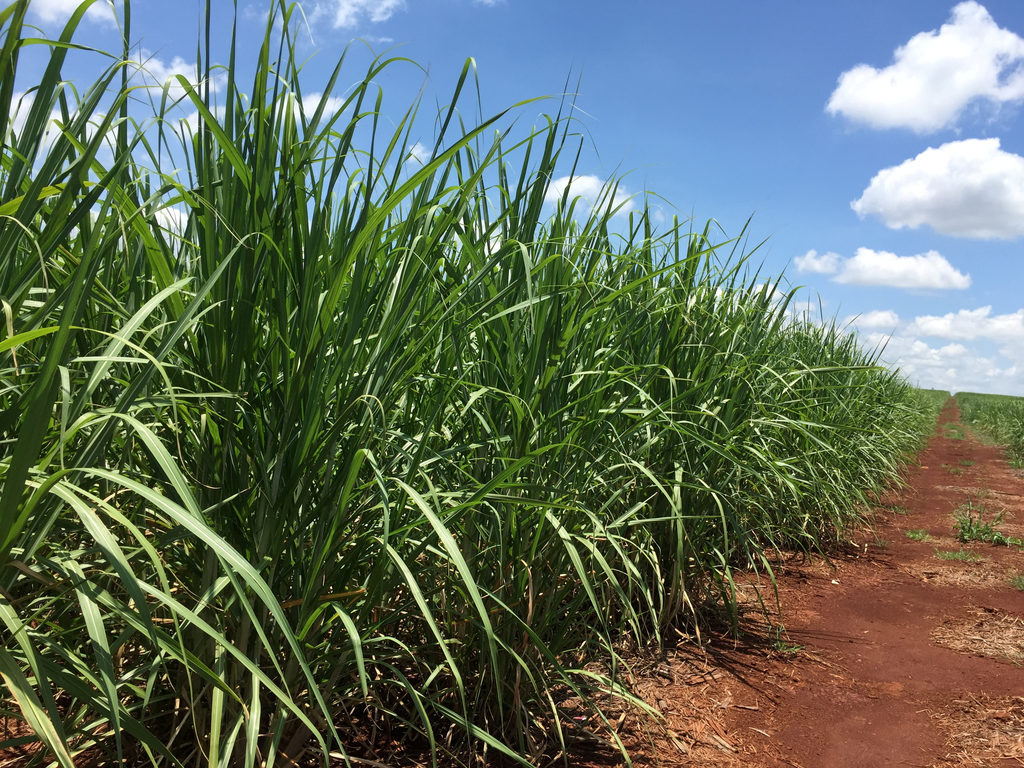
Fiji is staring into the face of a serious fertiliser shock that threatens our agricultural exports as a global fertiliser supply shortage attributed to the closure of the Strait of Hormuz in the Persian Gulf unwinds around the world.
And in another eye-opening Op-Ed (see page 18) on how this is playing out right now in the world markets, regular The Fiji Times columnist Dr Sushil K. Sharma, who grew up in the sugarcane fields of Drasa, Lautoka, voiced his concerns on how this would hit Fiji.
He believes the Government is unprepared for what’s coming.
“No government plan exists,” Dr Sharma told this newspaper.
“Not a contingency plan, not a supply diversification strategy, not a price stabilisation mechanism, not even a public acknowledgement that the problem is coming. “The Rabuka government has not uttered a single word about fertiliser supply security since the Hormuz crisis began on February 28, 2026.
“The pattern is familiar: silence until the crisis lands on the doorstep, then a reactive subsidy announcement to manage the political fallout. That is not policy. That is damage control dressed as governance.”
He said the Strait of Hormuz crisis has struck at the precise junction of the global fertiliser supply chain, with the Persian Gulf accounting for approximately 30 to 35 per cent of global urea exports and 20 to 30 per cent of global ammonia exports — the two primary inputs into the nitrogenous fertilizers on which Fiji’s sugar cane industry depends.
“UNCTAD issued a formal warning in March 2026 about heightened fertiliser supply risks flowing directly from the Hormuz disruption.
“Freight costs on the Asia-Pacific corridor — Fiji’s primary import route — have risen sharply, with fuel surcharges to Pacific island destinations now running at 32 per cent above pre-war levels.
“Sugar cane farmers in Fiji are already financing their operations on borrowed money.
“A fertiliser shortage, or a price spike that makes fertiliser unaffordable, does not merely threaten next season’s harvest, it threatens the viability of farming families who have no financial buffer left to absorb another shock.
“What has the government failed to do? It has not mapped Fiji’s fertiliser import dependency.
“It has not engaged with the Fiji Sugar Corporation on contingency stock levels. It has not approached regional partners about bulk purchasing arrangements.
“It has not consulted farmers. It has done nothing — and that institutional laxity, on an issue this foreseeable and this consequential, is a governance failure that will cost Fijian farmers dearly before this crisis is over.”
While the Fiji Government has foreseen the coming fertiliser crisis in the release early this month of Cabinet’s endorsement of a Fuel, Energy and Fertiliser Crisis Response Plan aimed, it said, “at protecting Fiji’s agricultural sector, strengthening food security, and supporting farmer livelihoods during ongoing global supply disruptions”, the details of that plan remain sketchy.
However, Government’s announcement on the Cabinet’s endorsement of the plan points to expected outcomes that will help mitigate the impact of fuel and fertiliser shocks to Fiji’s agriculture and food security.
“The Plan outlines coordinated measures to strengthen domestic food production, stabilise input costs and reduce the agriculture sector’s reliance on imported fuel and fertilizers,” it stated.
“Key priority areas include food security and nutrition, energy resilience in agriculture, fertiliser supply stabilisation, transport and logistics support, and targeted reforms within the sugar sector as part of broader efforts to improve resilience, productivity and sustainable agricultural development.
“The measures are expected to help mitigate rising farming costs, support smallholder farmers, stabilise food prices, protect household welfare, sustain rural incomes, and ensure continued access to affordable and nutritious food for Fijians.”

