
YEARS of political upheaval have left Fiji’s public service weakened, risk-averse and still grappling with the legacy of successive coups, the Truth and Reconciliation Commission has heard.
Academics and governance experts told the Commission political instability had reshaped government institutions, eroded public confidence and created a culture in which public servants were increasingly reluctant to make decisions without higher approval.
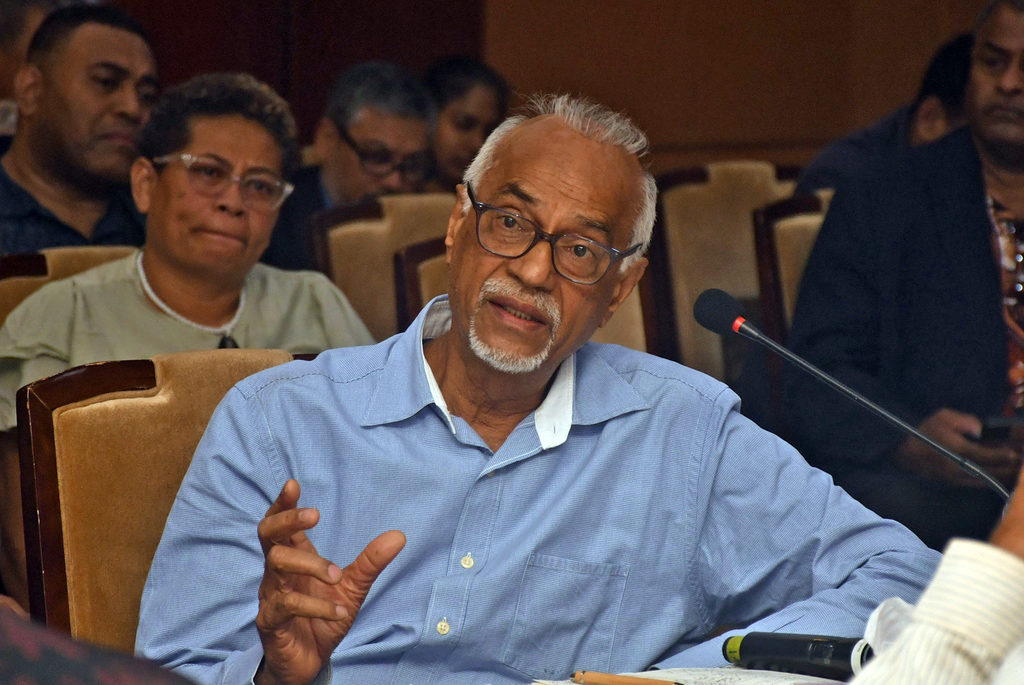
University of the South Pacific professor Vijay Naidu said successive coups had undermined social cohesion and weakened the rule of law, leaving lasting effects across the public service.
He said government operations had slowed as public servants became more cautious, with decision-making and procurement processes increasingly delayed because officials feared making mistakes or acting without authorisation.
USP governance professor Graham Hassall said the transformation of the public service was driven by about 600 decrees, promulgations, regulations and orders introduced between the 1987 and 2013 coup periods. He identified the 2009 State Services Decree as one of the most significant reforms, saying it reshaped public administration by removing senior office holders and changing appointment processes across government.
Governance specialist Emele Duituturaga told the Commission the 2006 coup had profound personal consequences for many public servants, with senior officials losing their positions without any avenue to challenge the decisions.
“The public service is a human endeavour,” she said.
“When politics takes over, it doesn’t just disrupt services, it takes over people’s lives.”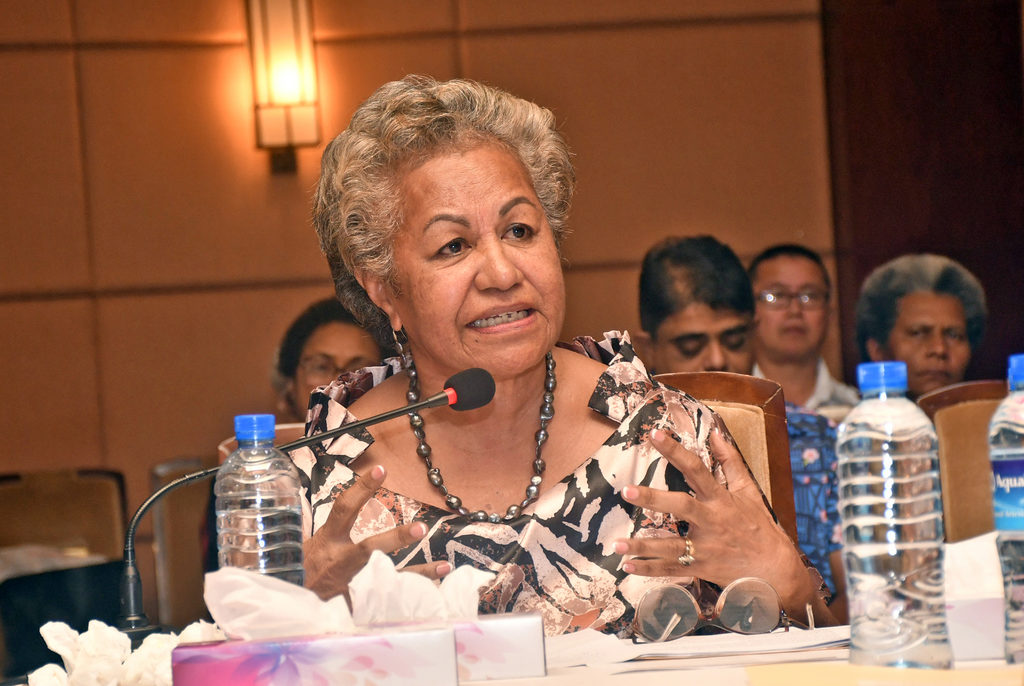
Emele Duituturaga while giving her ideas during the Fiji Truth and Reconciliation Commission expert roundtable discussion at the Suva Civic Centre lower hall augitorium on Tuesday, July 21, 2026. Picture: JONACANI LALAKOBAU

