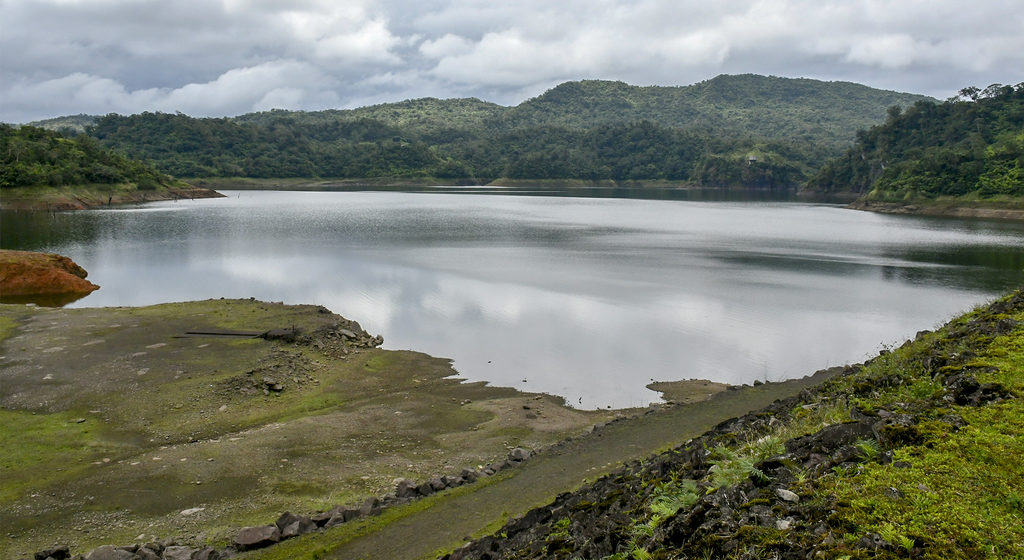
Energy Fiji Limited (EFL) is aggressively rebalancing its national grid, using a targeted surge in thermal energy generation to artificially preserve its vulnerable water reserves ahead of an extended El Niño drought.
With the Fiji Meteorological Services advising EFL that dry conditions could potentially extend to the end of 2026, or into the first quarter of 2027, the utility company has chosen not to wait for a crisis.
Minister for Public Works, Meteorological Services and Transport Ro Filipe Tuisawau said effective from July this year, the energy company had adjusted its generation mix to conserve water at the Monasavu and Nadarivatu hydroelectric schemes, and preserve hydro storage for use when it was most needed.
He said as of September 28, the water level at Monasavu Dam stood at 732.20 metres, which was 17.2m above the safe operating level and 12.8m below the dam spill level.
He said out of a total available national generation capacity of 295.07 megawatts (MW), renewable generation had been dialled down to 117.33MW, while thermal generation now commanded the lion’s share at 177.74MW.
To fortify this thermal buffer, EFL is executing a rapid infrastructure expansion.
Ro Filipe said EFL was actively procuring and installing an additional 16x1MW containerised diesel generator sets between October and November this year.
He said the company was also expected to commission a new 3 x 10MW heavy fuel oil (HFO) power plant at Vuda, which will inject an extra 30MW of generation capacity into Viti Levu.
While this heavy reliance on fossil fuels carries high operational expenses, Ro Filipe noted that EFL was mitigating costs by using HFO over pricier industrial diesel oil (IDO), citing the reported price differential between HFO and IDO had ranged from approximately $600 per metric tonne to $2300 per metric tonne during 2026.
He said if rainfall remained below average and the water level dropped to a critical threshold, the Government warned that strict grid-management strategies would be deployed and power rationing may be required.
“As we move forward, there are measures in place, for example, as the water level falls, we will need to go into power rationing, prioritising certain areas or industries, for example, hospitals and other essential services,” Ro Filipe said.