
STAGING of all local and provincial rugby competitions will now come at a significant cost, forcing local teams and provincial clubs to fork out more from their own pockets to host games sanctioned by Fiji Rugby.
Club games at the provincial level are expected to see an estimated financial increase of around $1100 per match day.
Previously, clubs were looking at an expenditure of $2300 for a single day’s round of games.
However, the implementation of stricter rulings on medical requirements has driven the total hosting costs up to $3400.
The medical standards, which are now being enforced across schools and club rugby, require organisers to have trained medical personnel, qualified first aiders, emergency equipment and transport arrangements in place before a match can kick off.
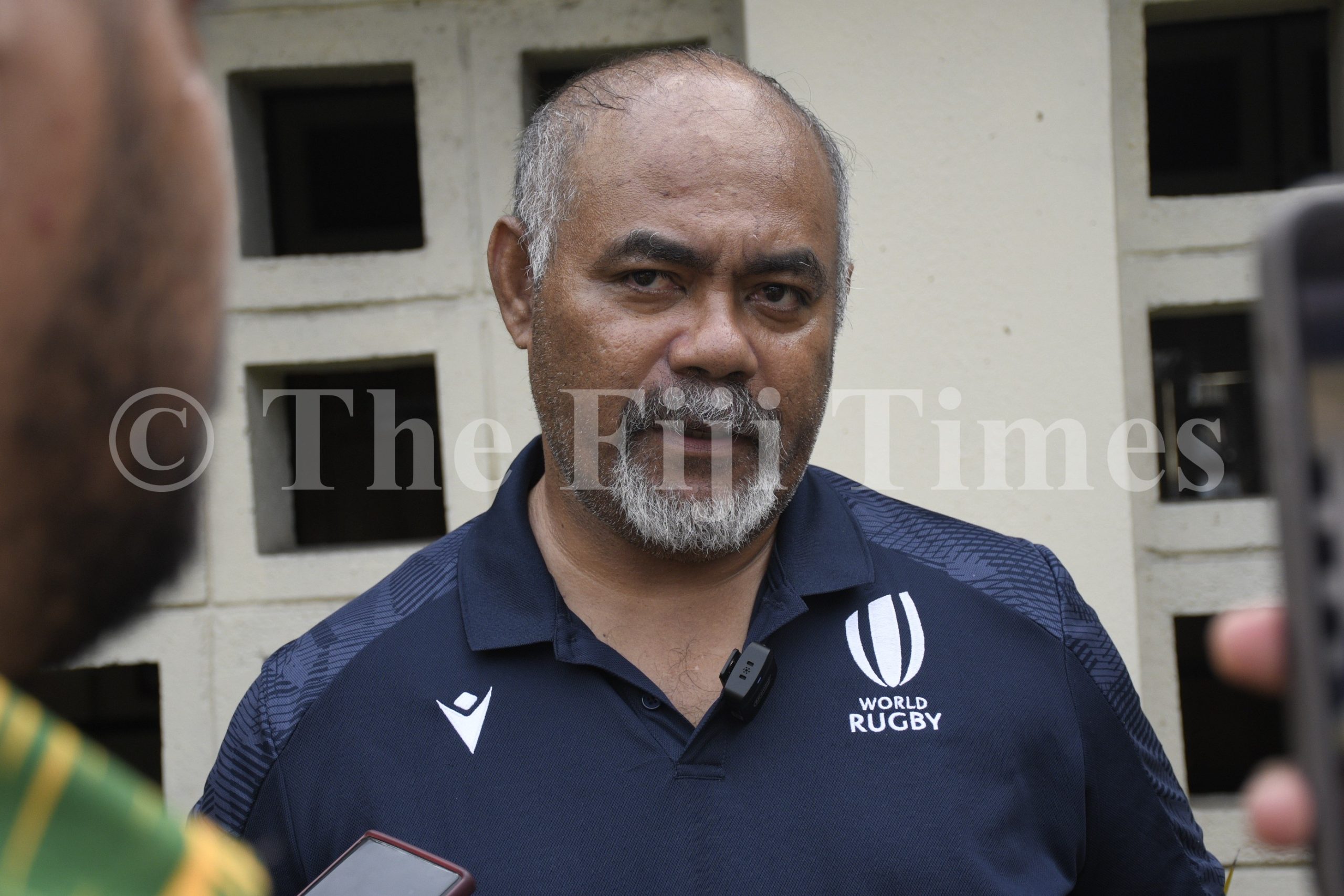
Speaking to Times Sport, Fiji Rugby Union acting chief operations officer Talemo Waqa said player safety remained the union’s highest priority and that organisers would be expected to comply with the new standards or risk having their matches called off.
“We stopped a few games last week in Navua and one of our rugby development officers stopped it on our authority because minimum standards were not in place,” Waqa said.
The union has introduced stricter medical requirements for club and schools rugby, including doctors and nurses trained in Immediate Care in Rugby (ICIR), four to six rugby-trained first aiders for each playing ground, stretchers, cervical collars, medevac vehicles and ambulance support based on the number of grounds being used.
For venues with multiple playing fields, organisers must also ensure there are additional stretchers and medical personnel available, while ambulances remain on standby to respond to serious emergencies.
Waqa said the revised standards had been progressively introduced during the current schools and club rugby seasons, but the FRU had now entered the compliance phase, where competitions would be monitored more closely.
He said rugby development officers, education officers, volunteers and officials from the Fiji National Sports Commission would continue inspecting venues throughout the season to ensure organisers met the required standards.
“We have education officers to check on our primary and secondary schools games, making sure they meet the medical requirements for a game,” Waqa said.
“For our club games, we have our FRU rugby development and operations officers on the ground, as well as our Medical Injury Prevention Group.
“We’ll also be using Fiji National Sports Commission personnel to keep a watch on all club games to make sure they have the minimum requirements in place.”
Waqa said the union’s role was no longer limited to educating organisers about the requirements but also ensuring they were consistently applied across all competitions.
“The education part is ongoing, but we are now moving into the compliance phase, and we will continue checking every week,” he said.
The strengthened measures come after several serious injuries in local rugby competitions prompted the union to review its medical response systems and injury prevention strategies.
Waqa said while Fiji continued to face a shortage of ambulances, the FRU had developed a practical emergency response model that combines medevac vehicles with ambulance services to ensure injured players receive prompt treatment.
Under the system, ambulances can service multiple nearby venues while medevac vehicles transport injured players when appropriate. However, suspected spinal injuries, head injuries and concussions require ambulance transport once players have been stabilised by trained medical personnel.
He said venues located close to hospitals, such as those in Nausori, Lautoka and Nadi, could operate under modified arrangements, with hospitals and ambulance services placed on standby during competitions. Beyond improving emergency medical responses, Waqa said the FRU was also investing in injury prevention through better coaching, strength and conditioning programmes and education for players.
The union is also collecting injury reports from competitions each week, allowing its Medical Injury Prevention Group to monitor trends and recommend further improvements where necessary. Waqa said rugby is a contact sport and injuries cannot always be avoided, but ensuring every competition has trained personnel and appropriate medical equipment available would help reduce risks and improve outcomes when injuries occur.

