ACROSS the Pacific, the impacts of a strong El Niño are expected to extend far beyond declining rainfall, with governments preparing for mounting pressure on water supplies, agriculture, fisheries, public health and communities already vulnerable to climate extremes.
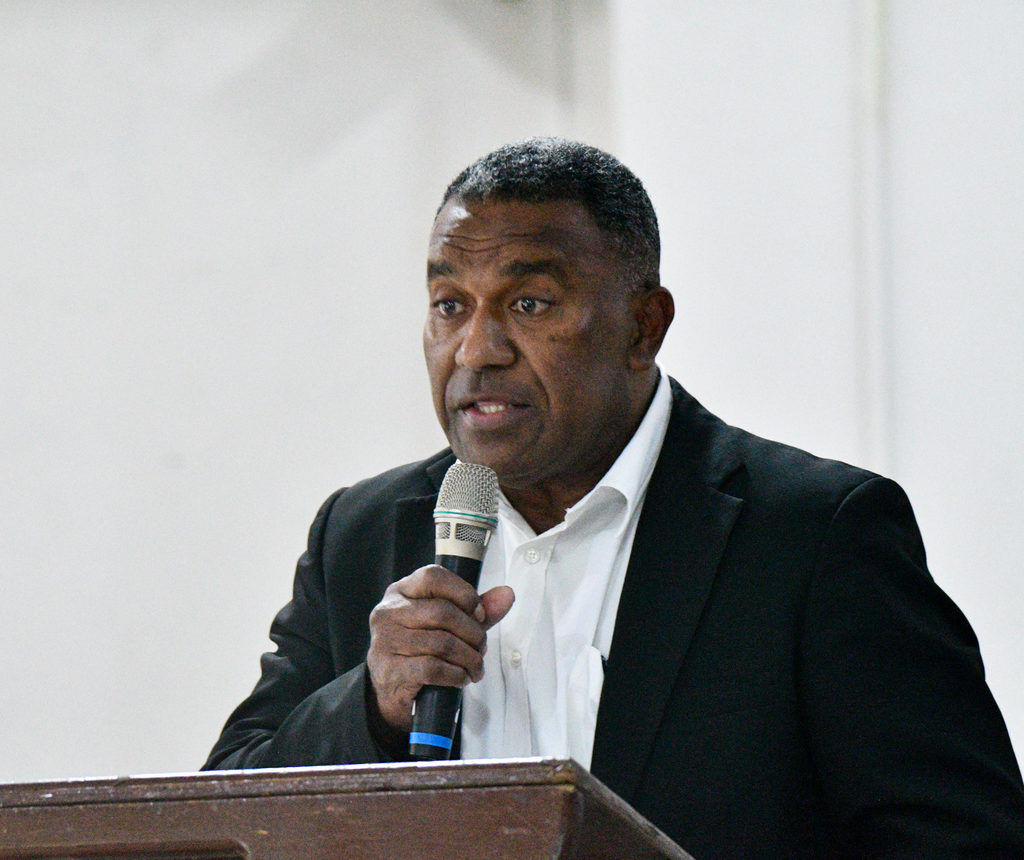
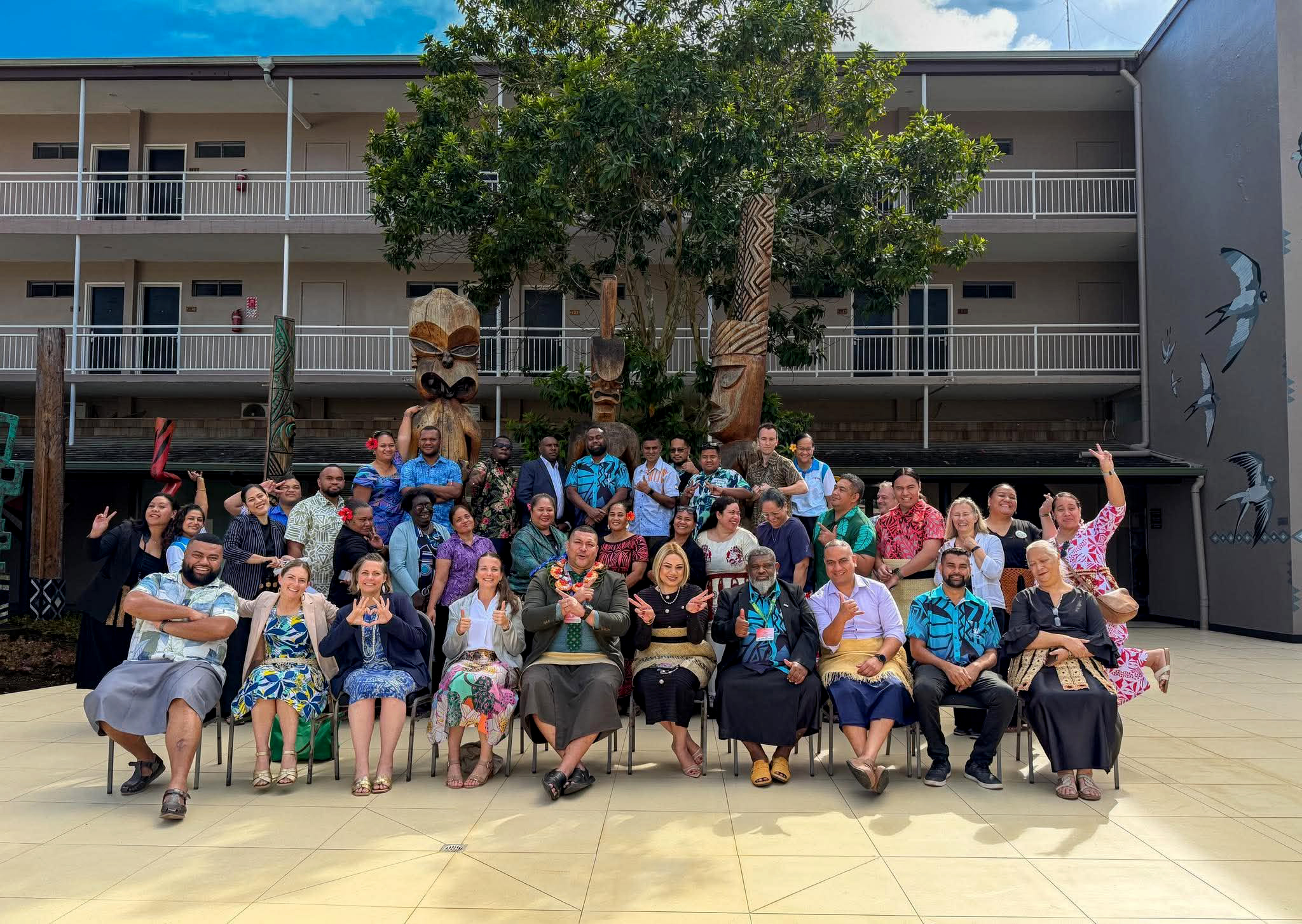
As stakeholders, meteorological services and journalists gather in Nuku’alofa for the Pacific Meteorological Council, COSPPac senior climatologist Philip Malsale has warned that the current El Niño could bring significant changes to weather and ocean conditions across the region.
Speaking at a Pacific Mana Class workshop for journalists organised by the Secretariat of the Pacific Regional Environment Programme (SPREP), Malsale outlined a range of potential impacts, including below-normal rainfall in several Pacific countries, shifting tropical cyclone activity, movement of tuna stocks and increased risks of coral bleaching and marine heatwaves.
“The potential impacts of El Niño are being closely monitored across the region,” Malsale said, with the distribution of rainfall expected to change significantly.
Countries including Fiji, Vanuatu, New Caledonia, Samoa, Papua New Guinea, Tonga, Niue and Palau are among those expected to experience below-normal rainfall under the current outlook.
For communities already facing water-security challenges, the consequences could be immediate.
Mr Malsale said governments across the region were already taking measures such as installing or increasing water-tank capacity to help communities cope with reduced rainfall.
The effects could also be felt in agriculture.
As rainfall declines, crops with shallow root systems are expected to come under stress first, potentially affecting food production and livelihoods.
But the implications of El Niño do not stop on land.
Cyclone patterns could shift
Malsale said the approach of the tropical cyclone season adds another layer of uncertainty.
Under El Niño conditions, tropical cyclone activity has a tendency to shift further eastward across the Pacific.
This could alter the areas traditionally exposed to tropical cyclones.
“The normal cyclone-affected areas include the Coral Sea region, Solomon Islands, Vanuatu, New Caledonia and Fiji.”
However, during El Niño, the risk can shift towards the eastern Pacific, potentially increasing exposure for countries and territories including Niue, Cook Islands and parts of Polynesia.
For Pacific island governments, this creates a difficult planning environment.
He says communities may simultaneously have to prepare for water shortages and agricultural stress while remaining alert to the possibility of tropical cyclones.
Tuna stocks could follow warmer waters
The impacts are also expected to extend into one of the Pacific’s most important economic sectors — fisheries.
Malsale said warmer ocean conditions associated with El Niño could cause tuna stocks to move towards the eastern Pacific.
That movement has implications not only for fishing operations but also for regional negotiations over fishing access and quotas.
“For the fisheries, warmer waters shift tuna stocks to the eastern Pacific,” Malsale said.
“This could make negotiations over fishing quotas more difficult for regional organisations and countries.”
The movement of fish stocks demonstrates how climate variability can quickly become an economic issue for Pacific island states, many of which rely heavily on the ocean for food, employment and government revenue.
A warmer ocean brings another threat
While rainfall and fisheries are immediate concerns, Malsale also highlighted the threat posed by rising ocean temperatures.
Strong El Niño conditions can bring sustained periods of unusually high sea-surface temperatures, increasing the risk of widespread coral bleaching and marine heatwaves.
For Pacific nations whose economies and food systems depend heavily on healthy marine ecosystems, the consequences could be significant.
Coral reefs support fisheries and coastal ecosystems while also helping protect shorelines from wave energy.
The combination of warmer seas and prolonged marine heat could therefore create pressures that extend well beyond the duration of the El Niño event itself.
Water security and health under pressure
Malsale said water security would be among the major concerns associated with the current conditions.
Reduced rainfall can place additional pressure on already limited freshwater resources, particularly on smaller islands that have few alternative sources of water.
He also warned of possible impacts on disease outbreaks and food crops.
The broader concern is that climate impacts rarely occur in isolation.
A prolonged dry period can affect water supplies, damage crops and place pressure on household incomes, while changing environmental conditions can create additional public-health challenges.
Those pressures can then translate into social and governance challenges.
Malsale said communities could be forced to move from one location to another as governments respond to water shortages and other climate-related pressures.
He noted that governments were already investing in measures such as water tanks across islands to provide support to communities.
The science is only useful if it reaches communities
For regional climate scientists, the challenge is not simply producing forecasts.
It is ensuring that governments, businesses, communities and the public understand what those forecasts mean and have enough time to act.
Malsale said Pacific meteorological services were receiving regular updates as part of a regional system designed to monitor El Niño and other climate conditions.
SPREP and the Pacific Community (SPC) work with partners through the Pacific Island Climate Dialogue Forum, which is held twice a year.
The region also uses the Coastal, Ocean and Marine Climate Outlook Forum to monitor ocean and climate conditions.
“So information discussed through these regional forums is monitored and updated on a monthly basis.
“With national meteorological services receiving regular information on what to expect over the next three months.”
The national meteorological services then use that information to engage governments, key sectors and communities on how to prepare and reduce the potential impacts.
Malsale said the regional organisations also assist countries with their own Climate Outlook Forums, bringing together government agencies, stakeholders and the media to discuss the expected conditions and appropriate preparedness measures.
Support is also provided to countries developing El Niño communication plans, while monthly and weekly climate products are distributed to national meteorological services.