
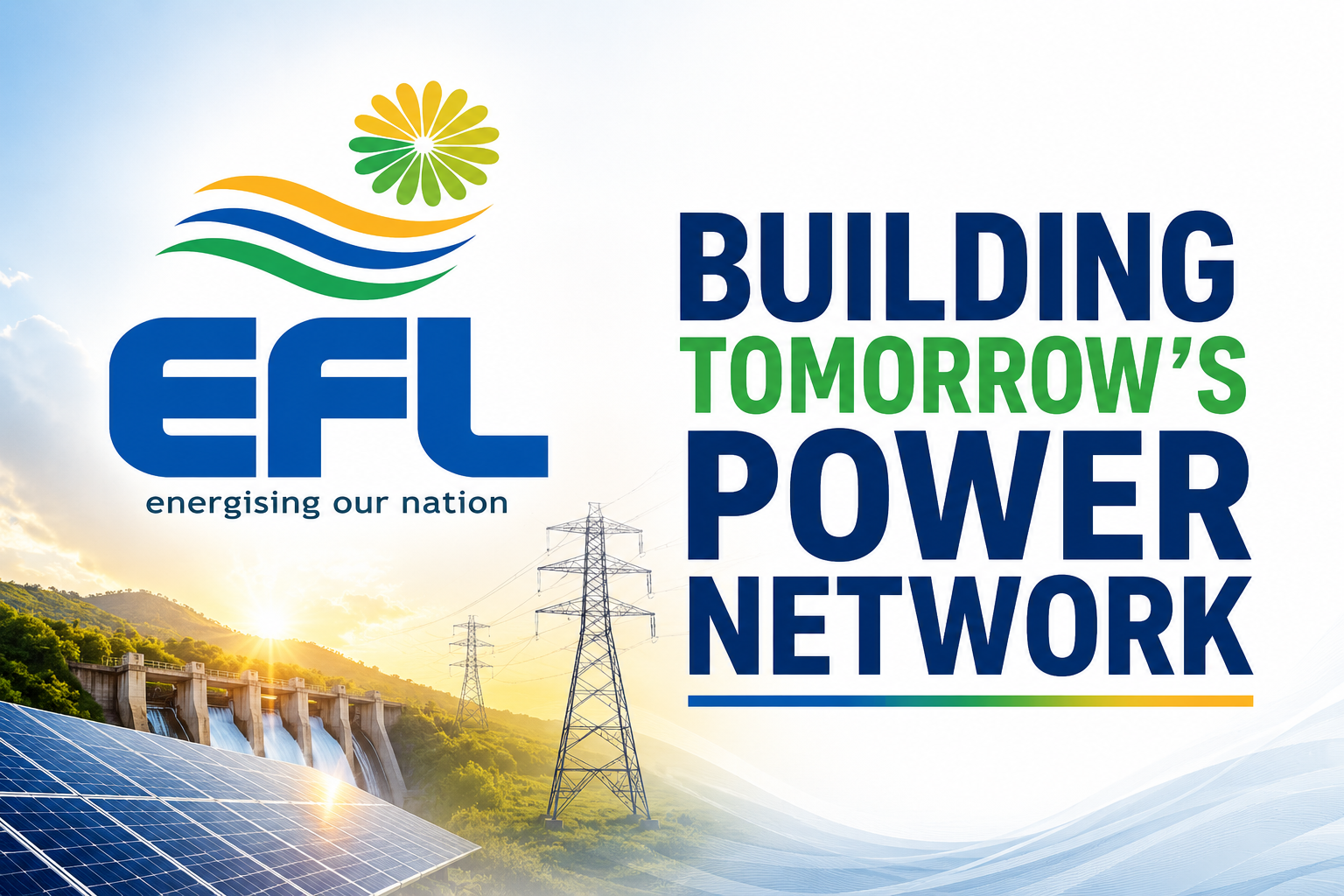
Energy Fiji Limited has unveiled what it describes as the country’s largest electricity infrastructure investment programme, with Chief Executive Officer Fatiaki Gibson saying the utility is building a modern, resilient and affordable energy system to meet Fiji’s future needs.
In a media release, Gibson said EFL had made significant progress over the past 18 months in strengthening energy security, modernising the national grid and accelerating Fiji’s transition to renewable energy. The programme aims to achieve approximately 60 per cent renewable electricity generation by 2029/2030 and 90 per cent by 2035.
Gibson said the investments are about far more than constructing new power stations.
“We are building the electricity system that Fiji will depend on for decades to come. Every investment we make today is designed to improve reliability, strengthen energy security, support economic growth and progressively reduce our reliance on imported fossil fuels.”
EFL said the programme includes around $2 billion in renewable energy investments, with work progressing on major hydroelectric, solar and battery storage projects, alongside expansion of the national transmission network. The utility has also secured Government support, engaged international development partners and advanced financing arrangements for the ambitious programme.
The company is also pursuing a strategic joint venture with the Fiji National Provident Fund to invest in renewable generation assets while maintaining EFL as the majority shareholder and technical operator.
Among the major projects already underway are the 32-megawatt Namosi Hydroelectric Project, additional solar and battery storage developments, and the rollout of smart electricity meters across the country. EFL is also preparing the electricity network to support the future adoption of electric vehicles.
Gibson said Fiji’s growing economy and increasing electricity demand require long-term planning and sustained investment.
“The investments we are making today are about ensuring that as Fiji grows, our electricity infrastructure grows with it. Through strong partnerships with Government, development partners, FNPF, landowners and our communities, we are building an energy future that is cleaner, more resilient and capable of supporting national development for generations.”
EFL expects customer numbers to rise from about 230,000 by the end of 2026 to around 280,000 by 2030, while electricity demand is projected to increase significantly over the same period. The utility says its investment programme is designed to ensure Fiji has the generation capacity and network infrastructure needed to meet that growing demand while reducing dependence on imported fossil fuels.

