Energy Fiji Limited’s (EFL) 10-year Power Development Plan (PDP) study carried out in 2022 shows that a total capital investment of around $4.27billion would be required in the development of generation and network infrastructures.
That includes:
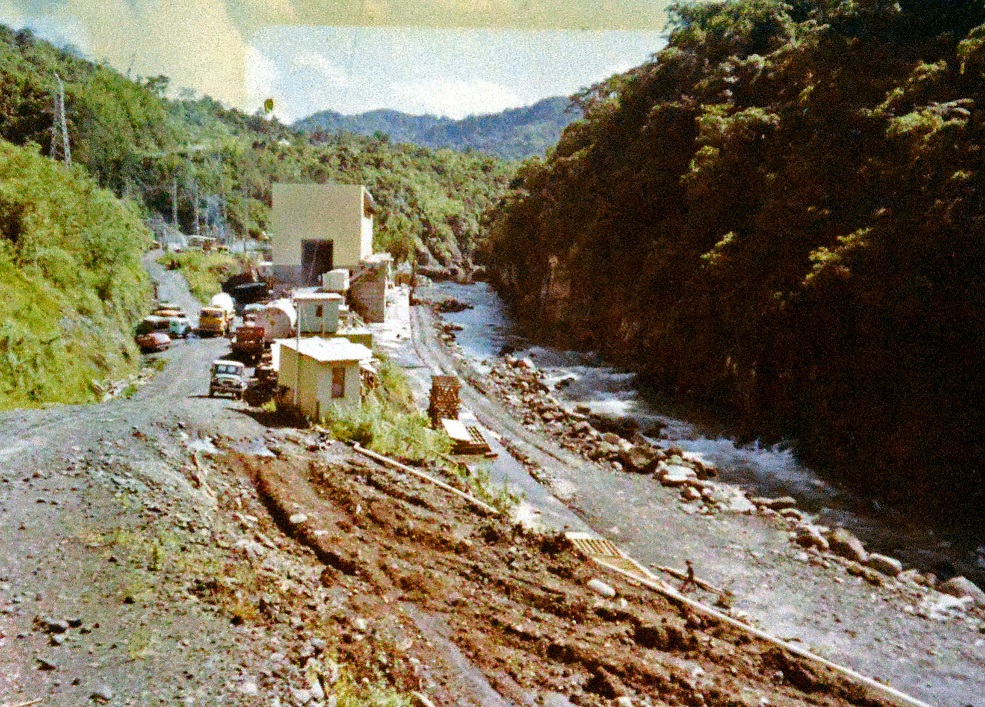
- Power Generation Projects – $2.97bn, includes all hydro power plants that are expected to be commissioned by 2031 such as the Qaliwana/upper Wailoa diversion, lower Ba Cascade Hydro Schemes (Vatutokotoko, Senibobo and Toge);
- Transmission and Sub-transmission Network Development Projects – $1.12bn; and further $0.18bn for distribution projects.
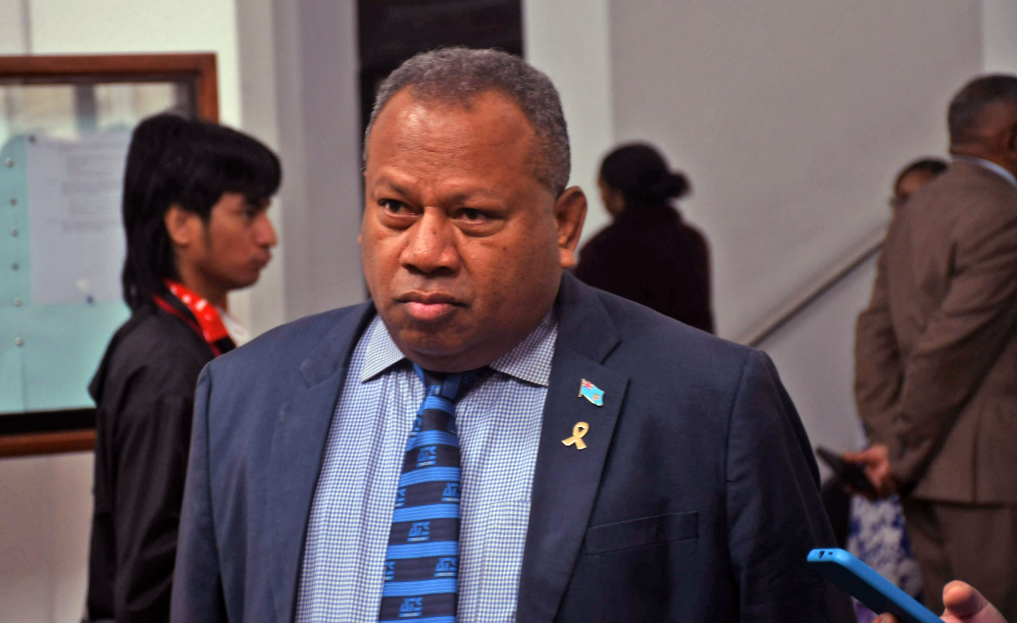
EFL board chairman Daksesh Patel said the power generation projects could either be developed by EFL if the project was technically and financially viable – through a joint venture or via Independent Power Producers.
He said the investments in the power network systems were also essential, ensuring that the energy generated from the new power generation sources, developed by either EFL or IPPs, was successfully evacuated to the load centres to meet the growing demand of electricity and assist government grow the country’s economy.
“With Sevens Pacific Pte Limited from Japan now a strategic partner of EFL, there will be increased collaboration between EFL and Sevens Pacific JV partners, Chugoku Electric Power Co., Inc (CEPCO) and Japan Bank of International Cooperation (JBIC) regarding the development of EFL’s future plans,” Mr Patel said in the company’s 2022 annual report.
“Our main priority remains our future-facing investment strategy, balancing prudent financial management and thoughtful reinvestment to meet the growing need for clean energy through the expansion and upgrade of Fiji’s energy infrastructure.”
Mr Patel said EFL carried out a review this year of its 10-year PDP up to 2031.
He said the PDP was reviewed every two years and covered the master development program to improve all elements of power systems of Fiji, to ensure adequate and efficient power supply at reasonable cost.
“This assignment is to carry out load forecast, prepare generation plan and network plan to meet the demand for Viti Levu, Vanua Levu, Taveuni and the Ovalau Power Systems.”
He said the demand for electricity was forecasted to continue to increase over the next 10-year period and a number of projects were planned to be implemented over the next five-year period to meet the increasing power demand, with a key part being the rapid transition to renewables.
Fiji has the following potential renewable energy sources:
- Hydro Projects
- Solar Projects; and
- Biomass – Waste to Energy Plants.