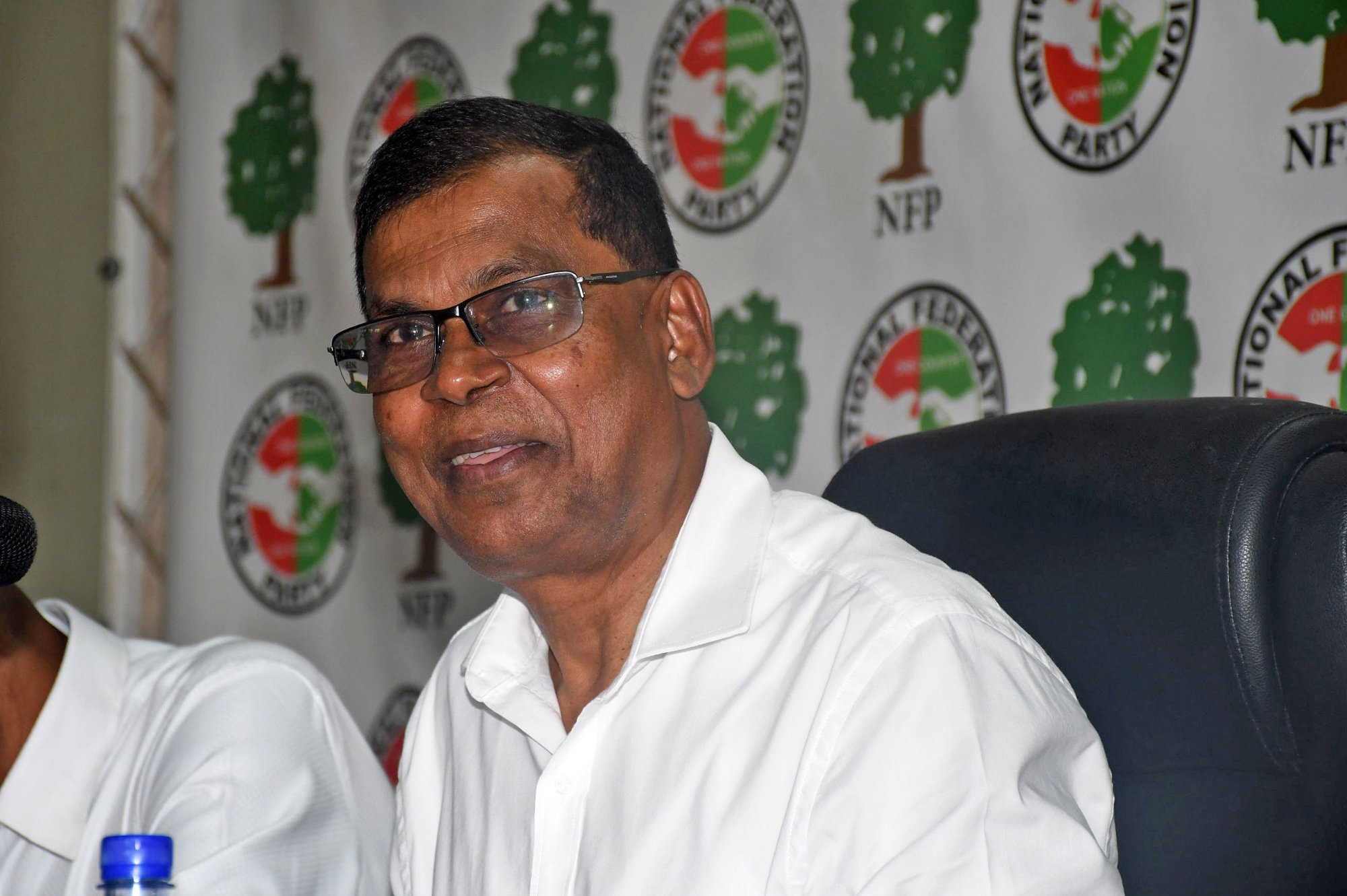
SO, Fiji could face higher food prices, declining agricultural production and further economic pressure if the prolonged El Niño-induced drought continues beyond December.
That is a very real prospect. And that is a warning from former Deputy Prime Minister and National Federation Party leader Professor Biman Prasad.
Let’s face it! All the signs are there. The weather is not improving. Water challenges continue to affect communities around the country. Many parts of Fiji have gone without much rainfall for some time, and the situation remains a cause for concern.
The heat is intense in many areas. We can only imagine the temperatures being experienced at sea and what that could mean for marine life and the delicate balance of our marine ecosystems.
Closer to home, the dry conditions are already taking their toll. Farm animals are among those feeling the effects, highlighting how far-reaching the consequences of prolonged drought can be.
So yes, there is every reason for caution. We need to be vigilant, prepared and proactive. We cannot afford to wait for the situation to deteriorate further.
Prof Prasad has warned that the drought, which could become one of the longest experienced by Fiji, is already affecting agricultural production, particularly in the sugar industry. He noted that its duration appeared to exceed the drought experienced in 1998, with forecasts suggesting the dry conditions could extend beyond December.
That should concern us. Prolonged drought could reduce agricultural output, drive up the cost of locally produced food and leave us dependent on imports. Such an outcome would place additional pressure on households already struggling with the rising cost of living.
The implications for our agriculture sector are bad. Farmers depend on reliable weather patterns to sustain their livelihoods, maintain production and contribute to national food security. When those patterns are disrupted, the consequences extend well beyond the farm gate.
Prof Prasad also pointed to the ongoing global fuel crisis, which is adding another layer of pressure to economies around the world.
We cannot isolate ourselves from these developments, and the combination of rising fuel costs and declining agricultural production could create a difficult economic environment.
He has called on Government to urgently consider strategies to manage the situation, prepare for worsening conditions and cushion us from the potential effects.
Again, we must recognise that we are not immune to the troubles of the world. We have challenges that require planning, sound decisions and collective responsibility.
This is a time for unity, awareness and action at every level of society. We say Government must lead, farmers must be supported, communities must conserve water and every household must understand the seriousness of the situation. We cannot control the weather, but we can control how prepared we are.