
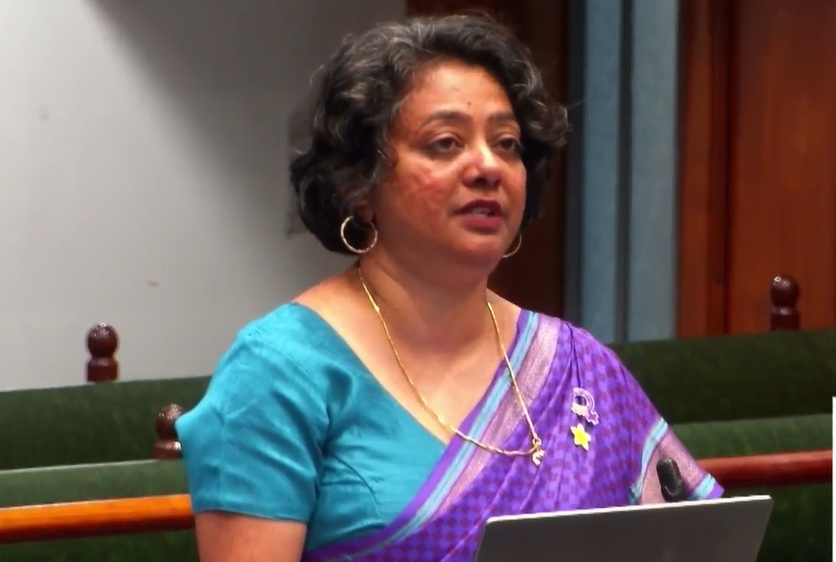
So despite the growing drug crisis, Minister for Women Sashi Kiran says Fiji does not yet have a dedicated residential recovery facility specifically designed for adolescents aged 13 to 17.
Ms Kiran highlighted this during the Na Sala Vou Memorandum of Agreement signing with Empower Pacific in Lautoka yesterday.
We say this is the way to go. Any effort to empower our youth and assist them to work their way out of the clutches of addictive substances should be welcomed.
In saying that, we have been advocating for the set up of drug rehabilitation centres around the country for four years now. We need these centres that are resourced by health experts who understand drug addiction for starters.
Ms Kiran said the ministry had been relying heavily on a referral-based model. She said while existing service providers worked tirelessly, the absence of a coordinated, adolescent-focused, multidisciplinary program had created critical gaps.
As Ms Kiran said yesterday, it was a significant milestone in our national response to one of the most urgent social crises affecting Fiji. And that is the rise of alcohol and other drug use among our children and adolescents.
The Memorandum of Agreement between the Ministry of Women, Children and Social Protection and Empower Pacific, she said, was a commitment to saving lives, restoring dignity, and giving our young people a genuine chance at a new beginning.
Alcohol and drug use, she said, were increasingly linked to mental health struggles, violence, self-harm, and in some tragic cases, heinous crimes committed under the influence.
And these were not isolated incidents, but reflected a deeper national challenge that demanded co-ordinated, compassionate, and evidence-based action.
The challenges we face, to a large extent, are being fuelled by the availability of drugs and breakdown of family values and parental guidance.
Added to that, she pointed out, is Fiji’s position as a transit point for international drug trafficking which has resulted in local overspill. Substances like methamphetamine have become dangerously accessible to our young people.
Ms Kiran said the agreement formalises a partnership that would change lives. Again, we say, rehab centres are the way to go.
Our war against drugs needs this element. It ties in well with the need to reduce our addiction rate and active users. The positive roll on effect will no doubt be good for the country. Hopefully, aside from the possibility of a drop in numbers, we may even notice an impact on connected ills associated with shared needles for drugs.
And we are talking about our HIV numbers and other health issues connected to that.
In saying that, while there are niggling questions, we look at this as a positive development.
We now look forward with great anticipation to developments over the next two weeks and hope there will be a concerted effort to organise more rehab centres around the country. This is the way to go!

