The revelation that we may have declining literacy and numeracy standards in Fiji is cause for concern. Going by the scenarios before us, it does set the stage for a lot of work moving forward.
Now we learn that curriculum changes made without adequate research, the removal of vernacular languages as a medium of instruction in the early years, and overcrowded classrooms are contributing to declining literacy and numeracy standards in Fiji. This is according to former trade unionist and educationist Susana Tuisawau.
She was reacting to the Pacific region’s appalling literacy and numeracy performance recorded in 2025 and reflected in findings released this week by the Pacific Community (SPC).
She is now calling for a thorough review of primary teacher training and practicum, particularly for Years One to Three. The report found only 44 per cent of Year 4 students across the 15 participating Pacific countries reached the expected level of reading proficiency.
Again, we say this is serious. Ms Tuisawau believes that while Fiji did not feature in the assessment because no country report was submitted, the regional results reflected what teachers here had been experiencing. In her view, the findings were consistent with the downward trend teachers in Fiji had been witnessing for some time.
Fiji, she said, was once among the stronger-performing countries in Pacific literacy assessments.
She recalled that Fiji had previously ranked among the better performers in Pacific LANA assessments, but warned that the country was no longer maintaining those standards and was now facing what could be described as a crisis. She blamed frequent curriculum changes introduced without proper research and review, as well as the removal of Vosa Vakaviti, Hindi and Rotuman as mediums of instruction in Years One and Two.
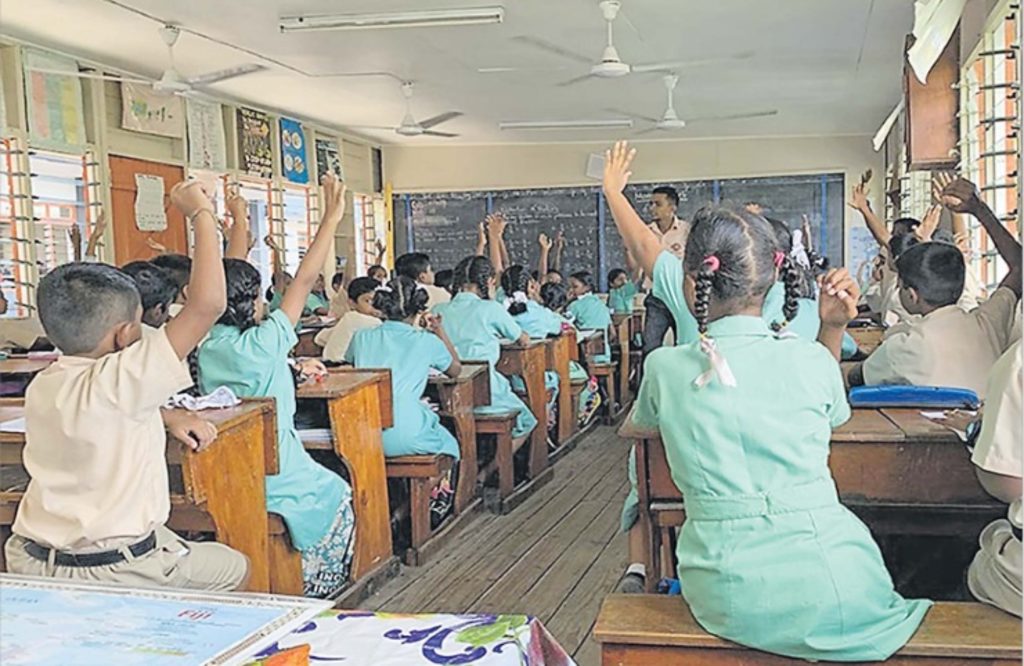
She also noted overcrowded urban classrooms, suggesting some students were reaching Year Eight without basic reading skills.
The suggestion that some students reaching Year Eight today cannot read is scary. To this effect, we now wonder what in the world is happening to us. How did we ever get to this stage?
When students are unable to read at Year Eight, we wonder about the future. We wonder about the processes and systems in place that are supposed to carry our students past Year Eight and on to high school and university.
We wonder about the calibre of students we may be churning out past high school level and even past university.
There is another challenge we cannot ignore. Ms Tuisawau has also warned that excessive reliance on artificial intelligence could impair or stunt students’ ability to think independently.
Eventually, if we aren’t addressing the challenges before us, then something will give up, somewhere along the line.
If there has to be a sense of urgency on the part of stakeholders to address our woes, then we suggest someone or some people have to pull out all stops and get the ball rolling.
If what we are reading is the harsh reality on the ground, then we say let us do something about this. It certainly is a poor reflection of our education system.
That is a major concern! Our children deserve an education system that equips them with the basic skills to read, write, count, think and question. We cannot afford to let declining standards become the new normal!