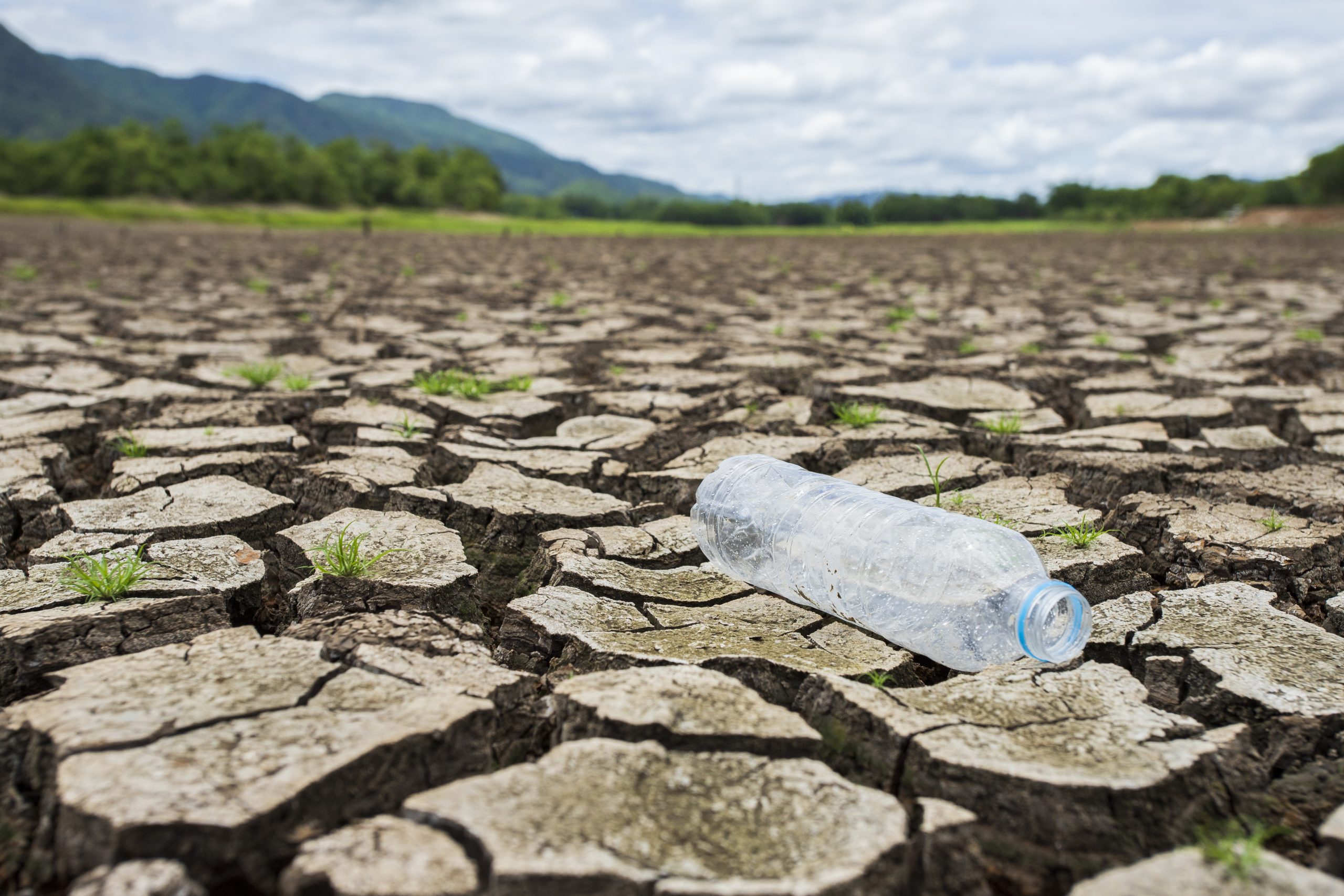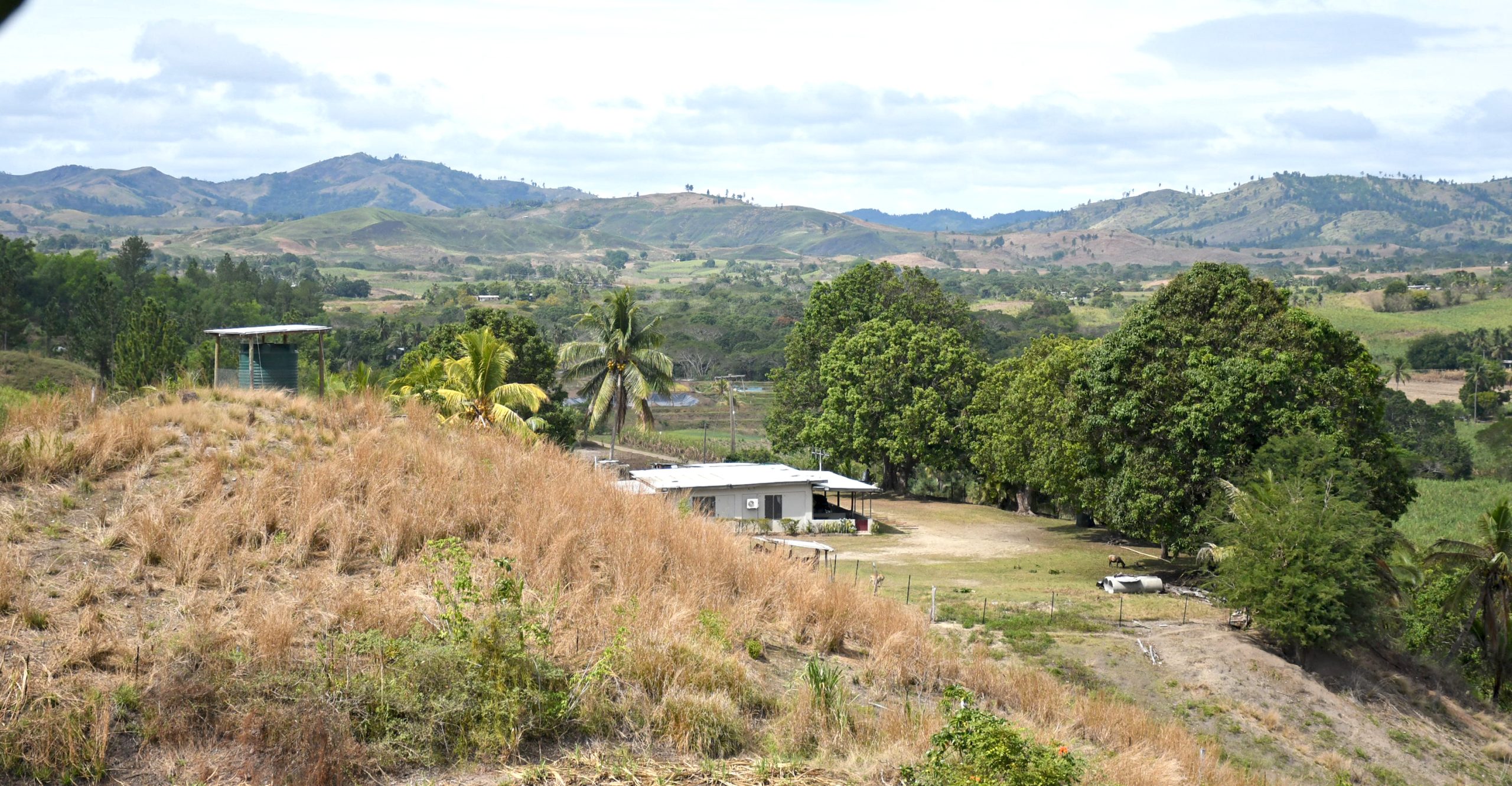
The revelation that we could face months of worsening dry conditions is cause for concern. We have been warned about the effects of an unusually strong El Niño, which is expected to persist well into 2027, with its impacts potentially extending four to six months after the weather event begins to weaken.
Now that is serious. And it must prompt vigilance. We learn that the Fiji Meteorological Service has warned of a significant rainfall deficit, with below-normal rainfall forecast until March 2027.
This raises fears that Fiji could enter its next dry season with already depleted water supplies.
Against that backdrop, senior scientist at the Fiji Meteorological Service, Arieta Baleisolomone, said the current El Niño was showing stronger warming than previous major events, raising concerns about the severity of its potential impacts.
Just last week, the World Meteorological Organisation described the 2026–2027 El Niño as unprecedented in intensity.
Pacific Ocean temperatures are expected to rise to nearly four times the El Niño threshold between November 2026 and January 2027.
Warming in the Pacific’s Niño 3.4 region, Ms Baleisolomone said, was already higher than during previous strong El Niño events.
About 80 per cent of historical El Niño events, she said, had been associated with drought, while Fiji’s geographical location made it particularly vulnerable to reduced rainfall.
This concern is compounded by Fiji’s dependence on wet-season rainfall, which normally accounts for more than 75 per cent of our annual rainfall.
Ms Baleisolomone warned that insufficient rainfall during the current wet season could have serious consequences for water availability during next year’s dry season.
Even when El Niño begins to weaken, she said, Fiji could continue experiencing its effects for another four to six months.
Ms Baleisolomone also explained that El Niño affected Pacific countries differently, with some equatorial nations experiencing above-normal rainfall while Fiji and other countries faced drier conditions.
Although severe weather systems and tropical cyclones could bring much-needed rainfall and change the current outlook, she cautioned against relying on these systems to replenish our water supplies.
We must change the way we use water and begin conserving this precious resource. We have been warned.
It makes sense for us to be aware, understand what we are facing, and be empowered to deal effectively with this situation.
But that will require information to be effectively disseminated to the masses about El Niño, its potential impact, and what it means for the country. We should be talking about what we can do now and what we may face moving forward.
We cannot afford to wait until our taps run dry before taking action. We say water conservation must become a national priority, starting in our homes, schools, workplaces and communities.
Government agencies must lead the awareness effort, while every Fijian has a role to play.
Again, we say, we cannot control the weather, but we can control how wisely we use what we have.