The revelation that the 2026–2027 El Niño is described as being off the charts and unlike any event previously monitored is cause for concern. Think about that! The World Meteorological Organisation (WMO) has issued this assessment at COP31 in Antalya, Türkiye.
Presenting the WMO State of the Climate 2026 Update on Tuesday, Secretary-General Celeste Saulo said sea surface temperatures in the tropical equatorial Pacific could surge to nearly four times the El Niño threshold between November 2026 and January 2027.
Now that is serious because it sets the stage for some potentially frightening developments.
Because El Niño typically reaches peak warming in the year after developing, she said the world must prepare for another record-breaking year in 2027.
She described the emerging event as unlike anything the organisation had previously monitored.
Global temperatures from January to September had reached 1.47 degrees Celsius above pre-industrial levels, making the past four years the hottest on record.
UN Climate Change executive secretary Simon Stiell said the weather phenomenon was worsening an already deadly crisis, intensifying the consequences of climate change and placing more lives at risk.
He described the climate emergency as a global health crisis on a pandemic scale.
That certainly raises the profile of this developing situation.
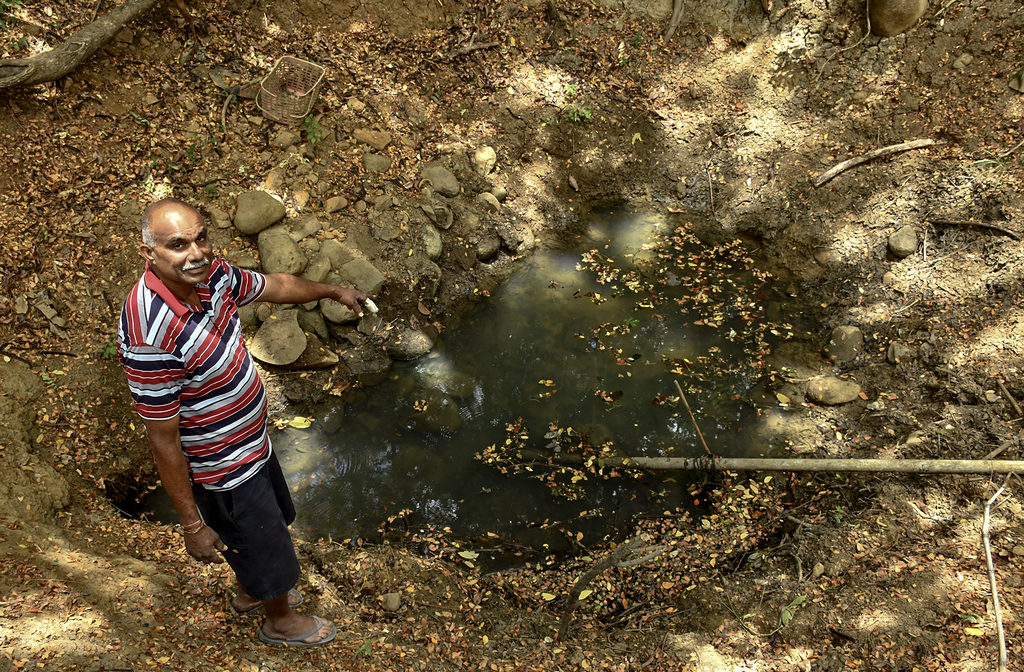
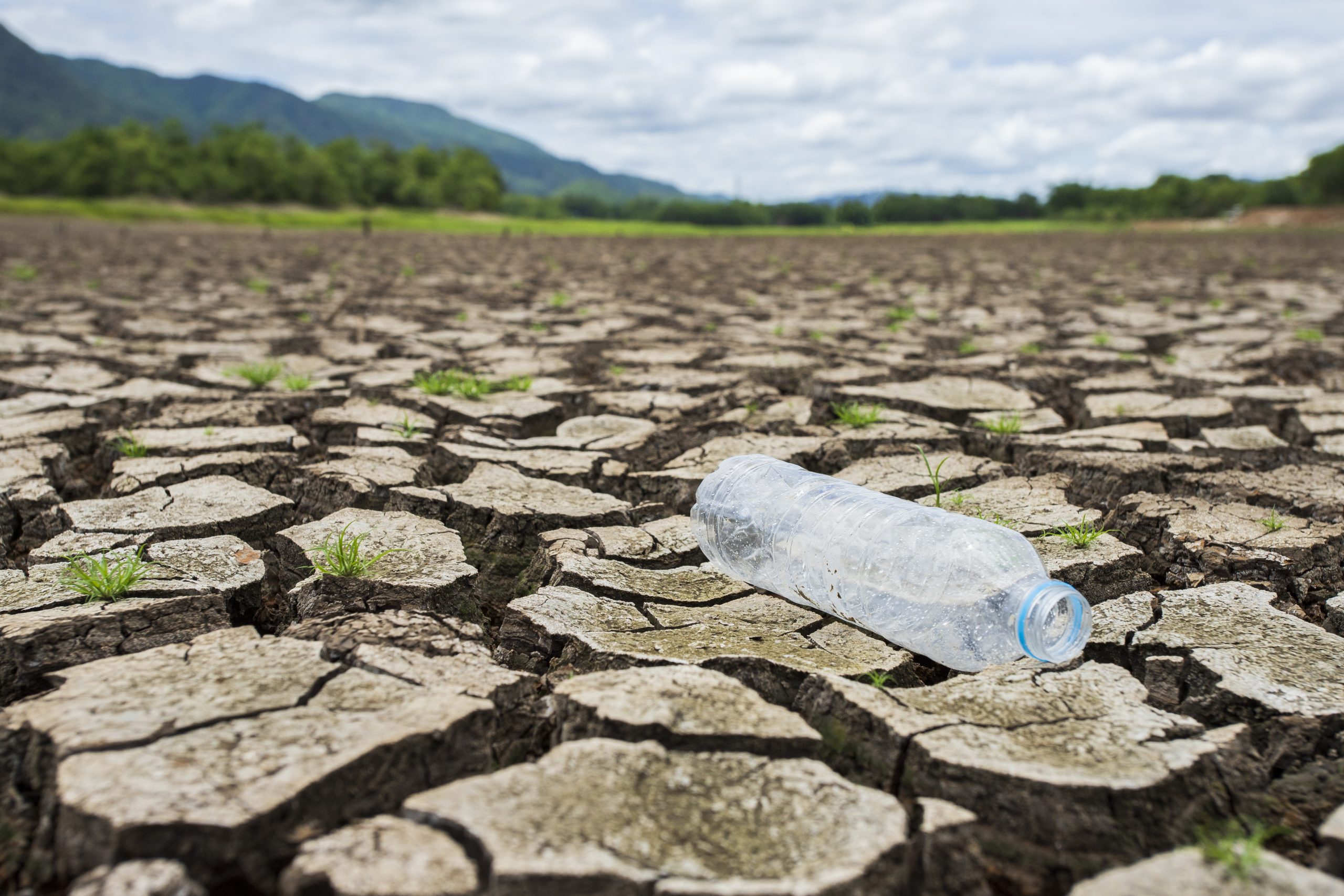
Prof Saulo said drought was already gripping parts of the Pacific, Asia and Central America, while ocean heat had reached a record high for the 10th consecutive year and rising sea levels threatened 900 million coastal residents.
We have also been told that tropical cyclones, heatwaves and rainstorms are intensifying faster than historical patterns had prepared nations to expect.
Prof Saulo urged COP31 leaders to invest in sustained weather observations and ensure early warnings translated into meaningful action. She stressed that humanity could not afford to operate blindly in the face of an existential threat.
That reference to humanity being unable to fly blind should force us to sit up and take note. We cannot afford to dismiss this as another weather event that will just pass.
The implications are far too serious, particularly for vulnerable island nations such as Fiji.
Contingency plans must be put in place. While the Government has already introduced measures to help people confront this enormous challenge, the priority must be preparation, public awareness and decisive action.
That means getting the message across clearly, consistently and across all levels of society. It must reach our communities, our villages, our settlements and our most vulnerable people. Let us not allow preparation to be left until the warning signs become emergencies. We say government agencies, communities and individuals must understand the risks and know what to do when conditions deteriorate. We know what could be coming, and we must respond accordingly.