SO much has happened on the political front in recent weeks. Much of the national debate has centred on the Constitution (Amendment) Bill 2026, as political party leaders disagreed. Debate has ranged from the referendum to voting arrangements.
Then, yesterday, former deputy prime minister and finance minister Professor Biman Prasad was acquitted by the Magistrates Court in Suva.
Professor Prasad walked free after Magistrate Yogesh Prasad ruled that he had no case to answer on two charges brought against him by the Fiji Independent Commission Against Corruption (FICAC).
The ruling brought the criminal proceedings against Professor Prasad to an end. And it effectively raised questions about FICAC.
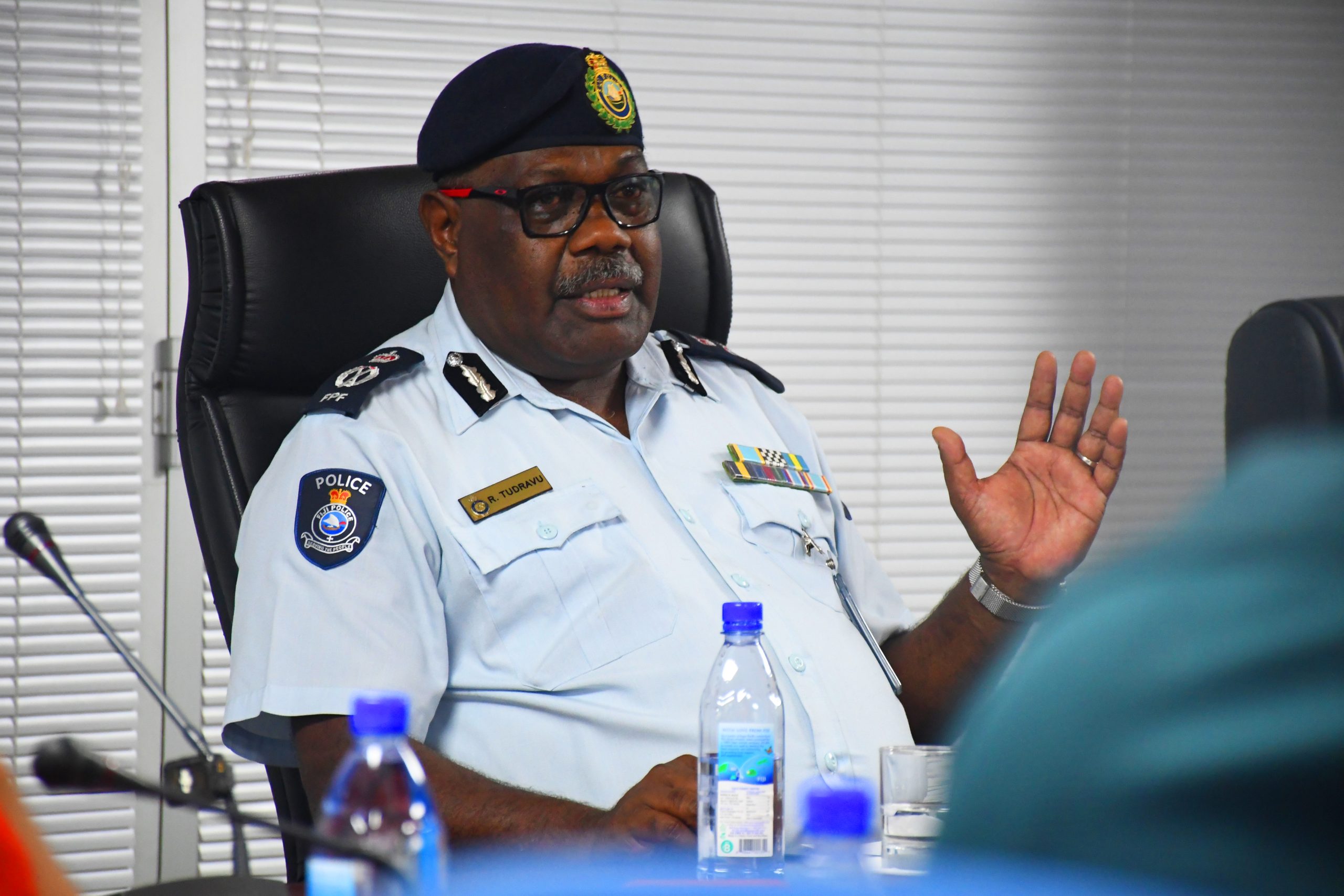
Against that backdrop, it was encouraging to hear Police Commissioner Rusiate Tudravu speak about the “big fish” in Fiji’s drug trade.
The hunt for the kingpins behind the illegal industry is far from over, he said.
The powerful figures, he said, remained at large. While thousands of marijuana plants are being uprooted and drugs seized, police acknowledge that the bigger challenge is identifying the financiers, importers and networks making millions from the business.
The search for the trade’s financiers is intensifying.
Investigations, he said, must reach beyond small-scale cultivators and expose the financiers, importers and connections driving it.
He acknowledged public concern that enforcement operations appeared focused on smaller players while the major figures behind the trade remained untouched.
His comments followed questions about more than 8000 marijuana plants reportedly uprooted in the Northern Division and methamphetamine seizures in the Western Division. Police were asked how many major financiers and importers had been arrested.
Assistant Commissioner of Police Operations Kasiano Vusonilawe confirmed that marijuana eradication operations were continuing nationwide. He revealed that the number of plants uprooted was higher than figures already reported.
Assistant Commissioner for Crimes Loraini Seru said police were also following the money through investigations by the Anti-Money Laundering and Proceeds of Crime Unit.
For whatever it is worth, the police cannot do this alone. They need the support of the masses. They need the public to have confidence in the work being done and provide information.
This is not a job for the faint-hearted. It is dangerous work, and people must feel safe when they come forward. That protection must extend to the men and women in uniform tasked with pursuing the “big fish”.
Fiji cannot afford a drug trade that grows richer while those at the top remain beyond reach. Uprooting plants and seizing drugs are important, but they are only part of the job.
The real test is whether police can follow the money, dismantle the networks and bring those who profit most before the courts. Now, that requires persistence, resources and public support!