THE two stories in The Sunday Times concerning vulnerable children in Fiji should give us a reason to pause.
Not simply because of the numbers involved, but because of what they tell us about our collective responsibility to protect children.
The fact that 165 children are under State care is a sobering reminder that, for some children Fiji find that the family environment cannot provide the safety, stability and care they need.
At the same time, the reported case of serious assault involving a child, which went viral on social media is a painful reminder that vulnerability can exist even within spaces where children should feel safest.
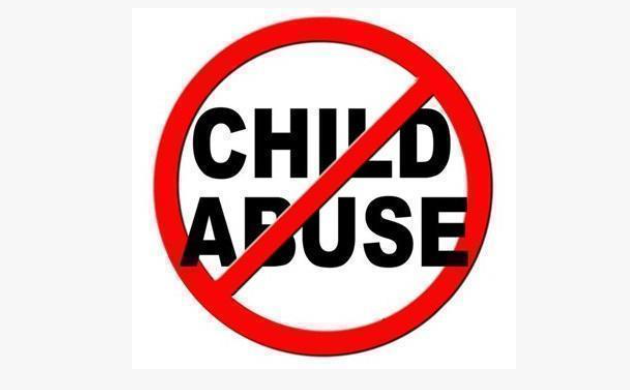
Children have a fundamental right to grow up in an environment free from violence, neglect, exploitation and abuse.
The State’s decision to regard taking a child into State care as a last resort is understandable. Children generally do best when they can remain safely within their families and communities.
But when those environments become unsafe, intervention must be timely, effective and centred on the child’s best interests.
Government therefore, has a critical responsibility. It must ensure that social workers, child-protection officers, police and other agencies have the resources, training and authority necessary to identify risks early and respond effectively.
Reporting mechanisms must be accessible, confidential and trusted.
Allegations of abuse must be investigated promptly, and children must not be left exposed while investigations take place.
But government cannot shoulder this responsibility alone.
Families are the first line of protection.
Parents, relatives and caregivers must recognise that discipline can never justify violence or abuse.
Families also need support when they are struggling with poverty, family breakdown, substance abuse, or other pressures that can place children at risk.
Helping families before a crisis develops is often better than intervening after harm has occurred.
Communities, too, must reject the attitude that what happens inside another family’s home is none of their business.
When a child is being harmed or neglected, silence can become part of the problem
The 165 children in State care also remind us that protection does not end when a child is removed from an unsafe environment.
The State must provide more than a roof and food. Children need affection, education, healthcare, stability and a genuine sense of belonging.
Ultimately, protecting children is not merely a government programme or a social-service obligation.
It is a measure of who we are as a society.
Every child deserves to feel safe and to be heard. And every child deserves the opportunity to grow and prosper without the scars of preventable violence and neglect.
In the end, a society that truly values its children must do more than speak of their rights — it must ensure, through its families, communities and institutions, that those rights are protected every day.