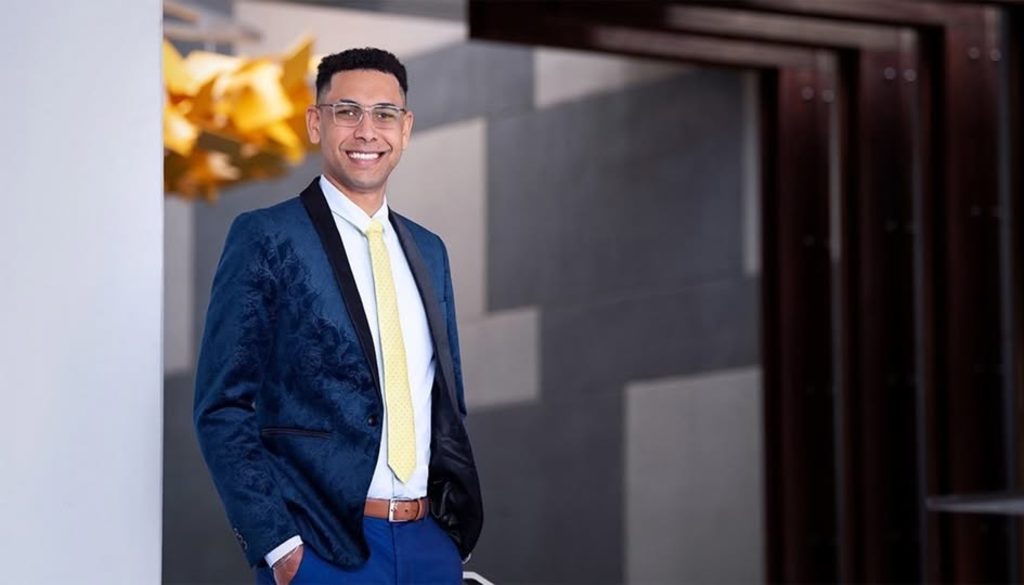
The warning from Fiji’s Online Safety Commissioner Filipe Batiwale is plain: the internet is no longer just something people use to receive and share information.
It has become part of daily life, especially for young people, and it is already shaping behaviour in the home and in communities across the country.
What Mr Batiwale is alluding to is something many parents already experience but may not fully comprehend.
Children are spending long hours online, often late into the night. Some are exposed to adult content before they are ready for it. Others are losing sleep because of games and social media.
And in many homes, adults are not always aware of what is being watched or shared within the home.
The result is an expanding gap between what children are doing online and what parents think (or don’t think) they are doing.
The simple truth is this: the internet does not come with automatic safety settings that fit and protect every child.
Most platforms are built to keep users engaged for as long as possible, not to protect them. That means harmful or inappropriate content can appear easily, even when no one is looking for it. Without guidance at home or stronger rules in place, children are often left to figure things out on their own.
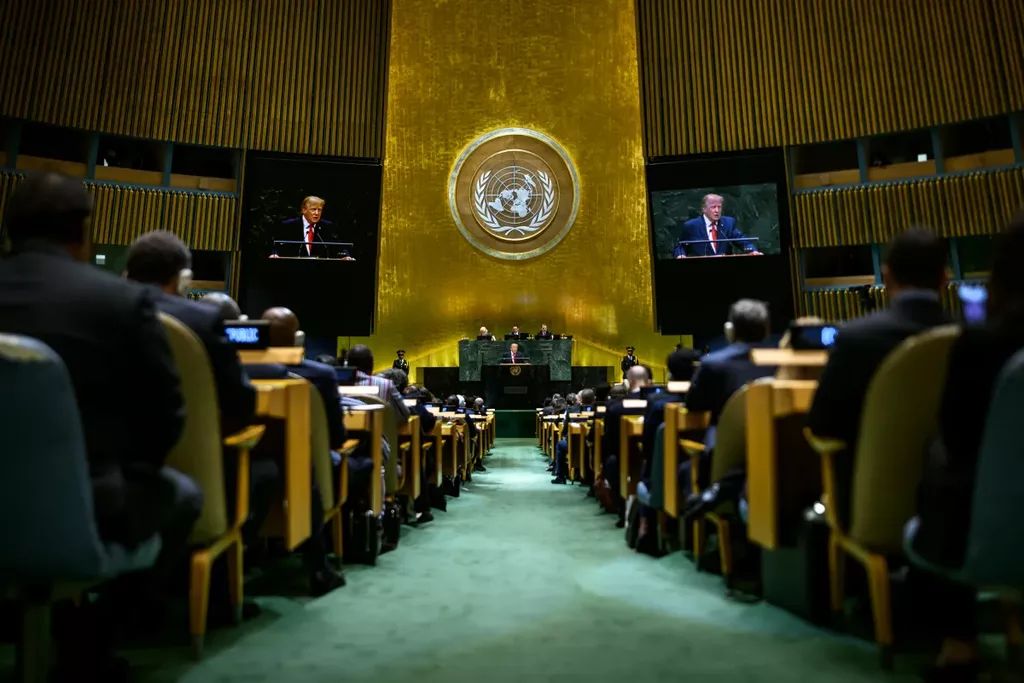
The commissioner also raises a distant yet bigger concern that may sound distant but is worth understanding.
He points to Myanmar as an example of how social media can sometimes worsen political tension or existing biases and stereotypes.
While Fiji is clearly a very different place, the point is not that the same may happen here. The contention is that when false information and improper content spread quickly online, they can fuel polarisation, public arguments, and interpersonal jealousy in society.
It is a warning about what can happen when there are no safeguards, not a prediction of impending disaster. Because of these concerns, the Government is now looking at whether there should be age limits for social media use, which is a good move.
The idea is straightforward: not every child is ready for the same level of online freedom. Just as there are age limits for driving or certain jobs, there may need to be clearer rules about when and how young people access social media.
But the challenge is deciding what makes sense for Fiji, not just copying what larger countries are doing. There is also a practical side to this.
Even the best laws only work if they can are enforced.
Fiji will need to think carefully about how such rules would actually be applied, and whether families, schools, and government agencies have the tools to support them.
The internet is not going away, and young people will continue to use it.
The question is whether Fiji puts enough support and structure in place so that children are not left exposed, and whether families are given the help they need to guide them through it.
The issue is no longer a future problem. It already exists in our living rooms, bedrooms, and schoolyards. What happens next depends on the choices we make today.