IN March this year, the Government stepped up containment efforts against the Asian Subterranean Termite, as infestations damaged homes, farms and public infrastructure across the Western and Northern divisions. That was a pretty serious turnaround for the Government at the time.
In fact, it made sense then. However, how many people truly understood the impact of this ramping up of activity? How many people truly placed value on the campaign to fight the termites? How many people truly understood the impact the termites were having on families, on homes and on the Northern and Western divisions?
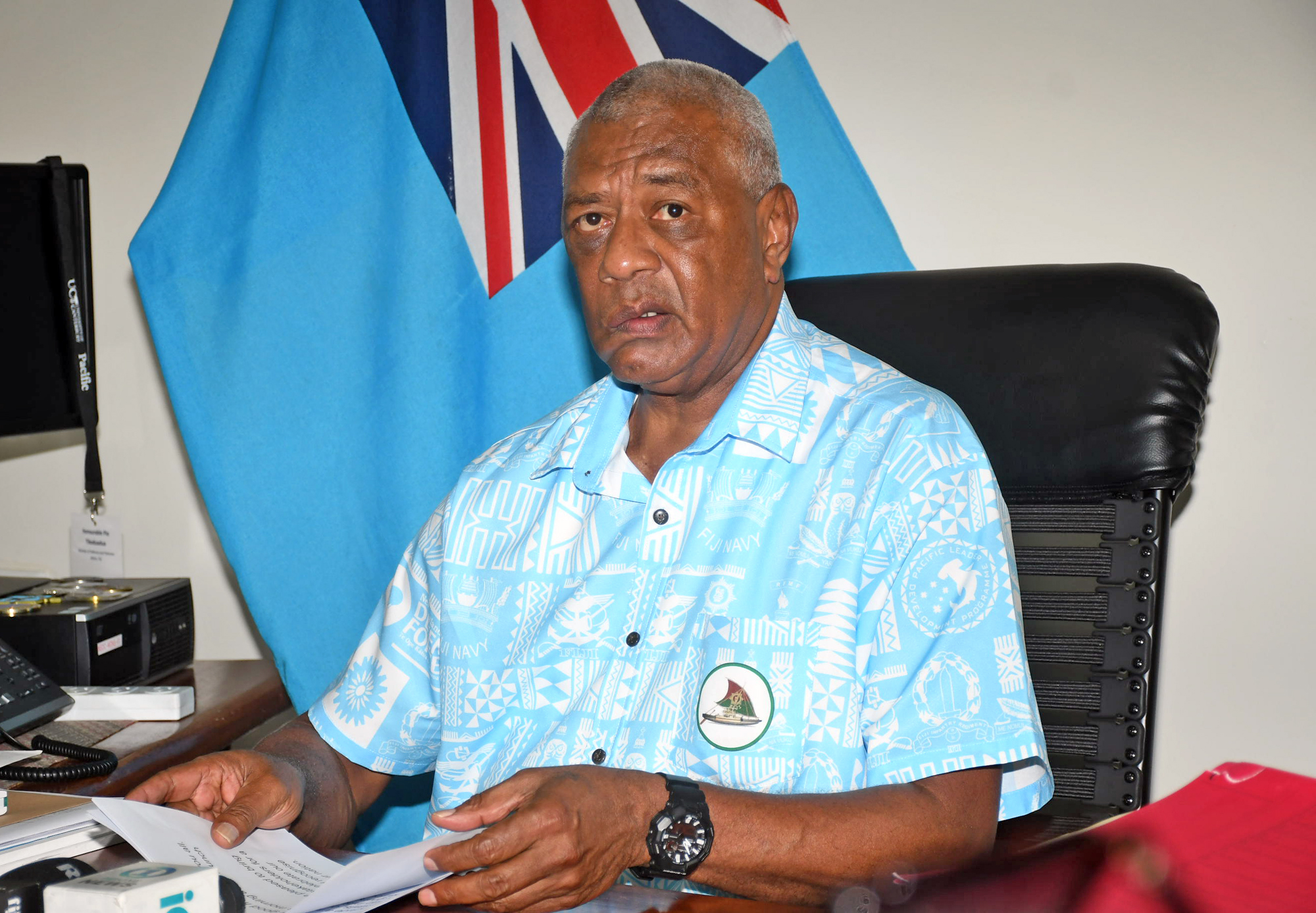
Responding to a question from Opposition MP Jone Usamate at the time, Minister for Agriculture and Waterways Tomasi Tunabuna said the invasive termite species had become a major threat, particularly in Lautoka, Nadi and Labasa.
The pest, he explained, was highly destructive, difficult to contain once established and capable of causing extensive structural damage.
The spread of the termite had affected residential areas, commercial buildings and farming communities.
Now add to that the fact that its ability to travel through soil and infested materials had made containment challenging, prompting a coordinated response from the Ministry of Agriculture and Waterways, Biosecurity Authority of Fiji and Ministry of Forestry.
Surveillance teams, he noted, were carrying out frequent inspections and mapping high-risk zones to detect early signs of infestation. Targeted baiting programs were underway in hotspot areas using approved bait stations and termiticides. And for the first time, he said, affordable baits were available locally from pest control companies.
The termites were also damaging crops, fruit trees and tree plantations, increasing rehabilitation costs for farmers and threatening long-term food security.
To that effect, he said, quarantine measures restricting the movement of timber, soil and demolition waste were in force to prevent cross-regional spread.
And several areas were declared Biosecurity Emergency Areas under the Biosecurity Act 2008, prohibiting the movement of any termite-hosting material without authorisation.
We learn that violations carry legal penalties. The public was urged to report suspected infestations promptly to authorities.
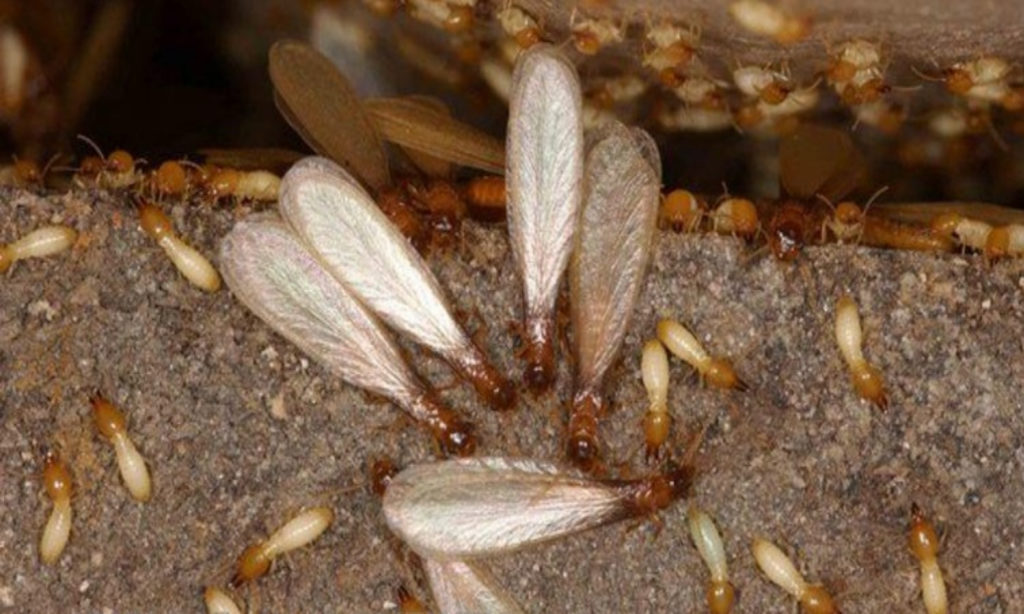
Now, fast forward to this month, and we are left wondering what in the world has happened. Try visiting homes in and around Labasa, and you will notice families lighting little fires around their property. It is supposed to attract termites. What is scary, though, is the rise from the soil of thousands of termites in the afternoons.
It is widespread. It is happening. And it appears to be getting out of hand. Whoever suggests this is under control must be out of their minds. The indications certainly do not point to termites being brought under control any time soon. They are spreading, and they are emerging in their thousands daily. They are flooding compounds and homes, forcing families to switch off their lights and light up little fire spots.
We say, let’s pull out all stops and urgently deal with these invasive termites.
Let’s cut out all the talk and get down to the business of actually doing something about it. Let’s create awareness and get people working together to fight it.
This is about homes, livelihoods, farms and the wellbeing of families. If the threat has grown despite the measures announced earlier this year, then we need to know why, what is being done now, and what more can be done.
We need decisive action, stronger public awareness and a coordinated national response before this problem becomes even harder, and far more expensive, to control.