FIJI should not dismiss the findings and warning contained in the latest electoral review report.
The message in it is not about voting systems or political representation but what can happen to a country when economic hardship begins to follow ethnic lines.
The figures should concern every Fijian. The report estimates that 36 per cent of iTaukei are living in poverty, compared with 20 per cent of Indo-Fijians. That represents a major change from two decades ago, when poverty was slightly higher among Indo-Fijians.
It shows the iTaukei share of total household income increased from 45 per cent in 1991 to 53.3 per cent in 2019-20.
In one of its strongest conclusions, the report links lower iTaukei per-capita income to larger family sizes, stating that “iTaukei are materially poorer because of their decisions to have larger families”.
Behind those figures are families struggling with rising cost of living, limited economic opportunities and uncertainty about the future.
This is not entirely an economic problem. History tells us that without sound policies, economic disadvantage can quickly acquire an ethnic dimension.
It also shows how easily political grievances can be exploited politically when communities believe they are being left behind, treated unfairly or excluded from development.
That is why the report’s warning about the possibility of renewed ethno-nationalist sentiment, without sounding fatalistic, deserves serious attention.
In the past, Fiji has already experienced politics built around fear and division.
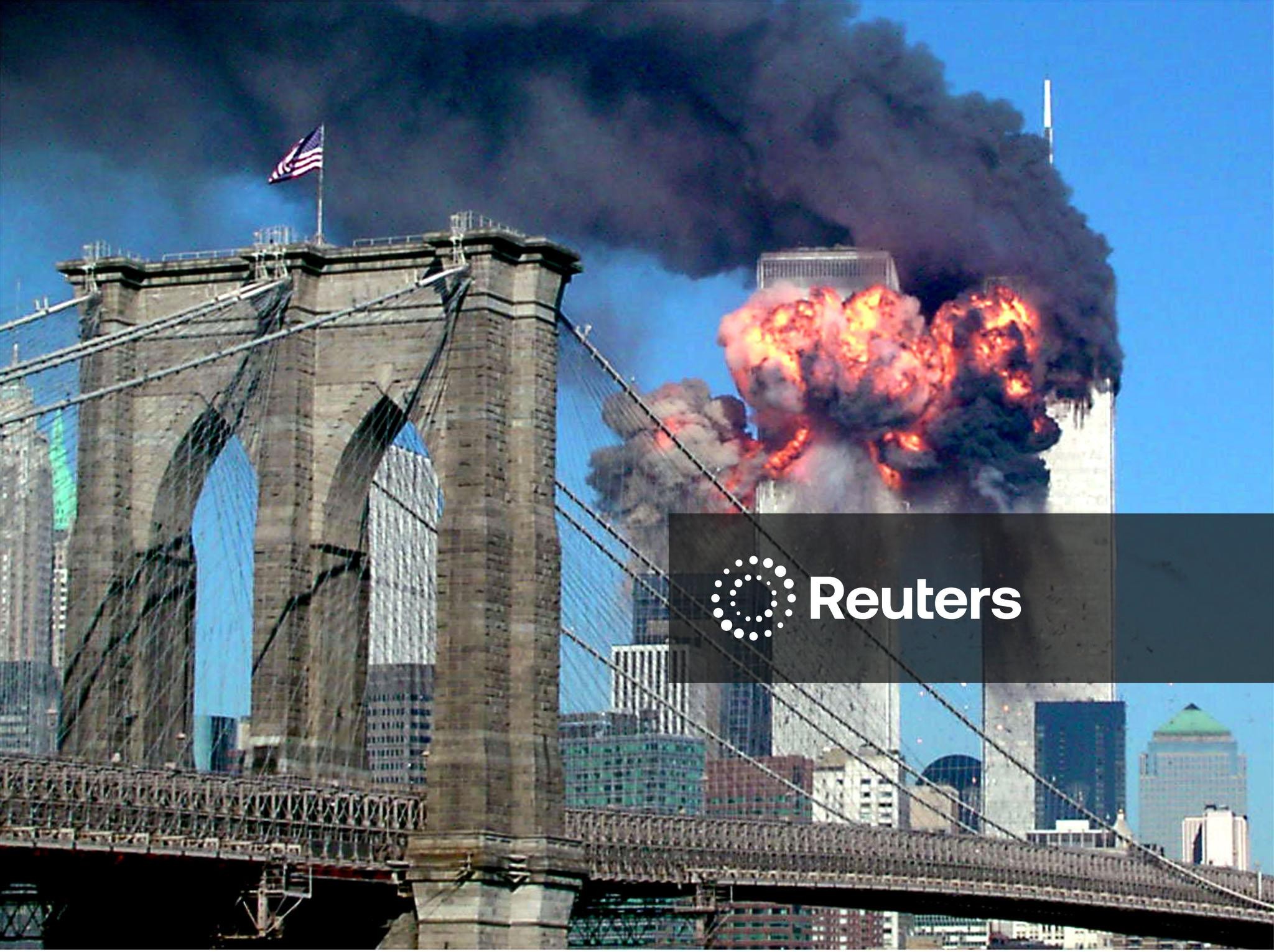
The coups of 1987 and 2000 should remind of how quickly political instability can destroy opportunities, livelihoods and the country’s standing in the world.
But the answer is not to turn poverty into a bone of contention between the two major ethnic groups. Nor should the report’s findings be used to assign blame to a specific community.
Note that poverty is not a racial characteristic.
The challenge for government and politicians is to ensure that economic opportunity and policy are inclusive and encompassing enough that no community feels left in the cold.
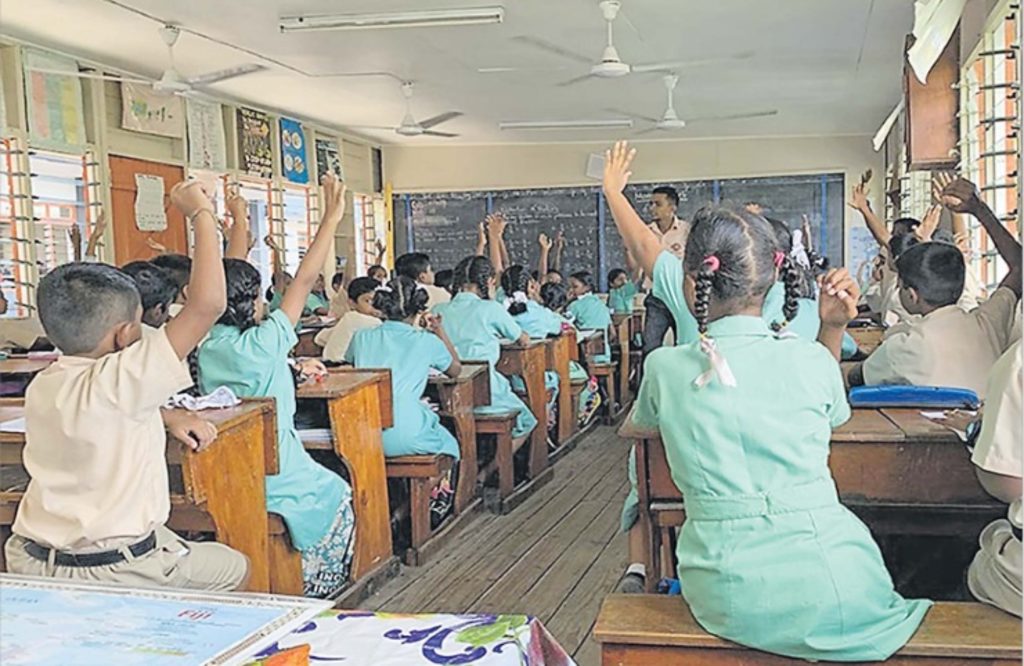
That requires more than rhetorical speeches. It means expanding access to quality education, skills training, finance and business support, particularly for people who have historically had less participation in the formal economy.
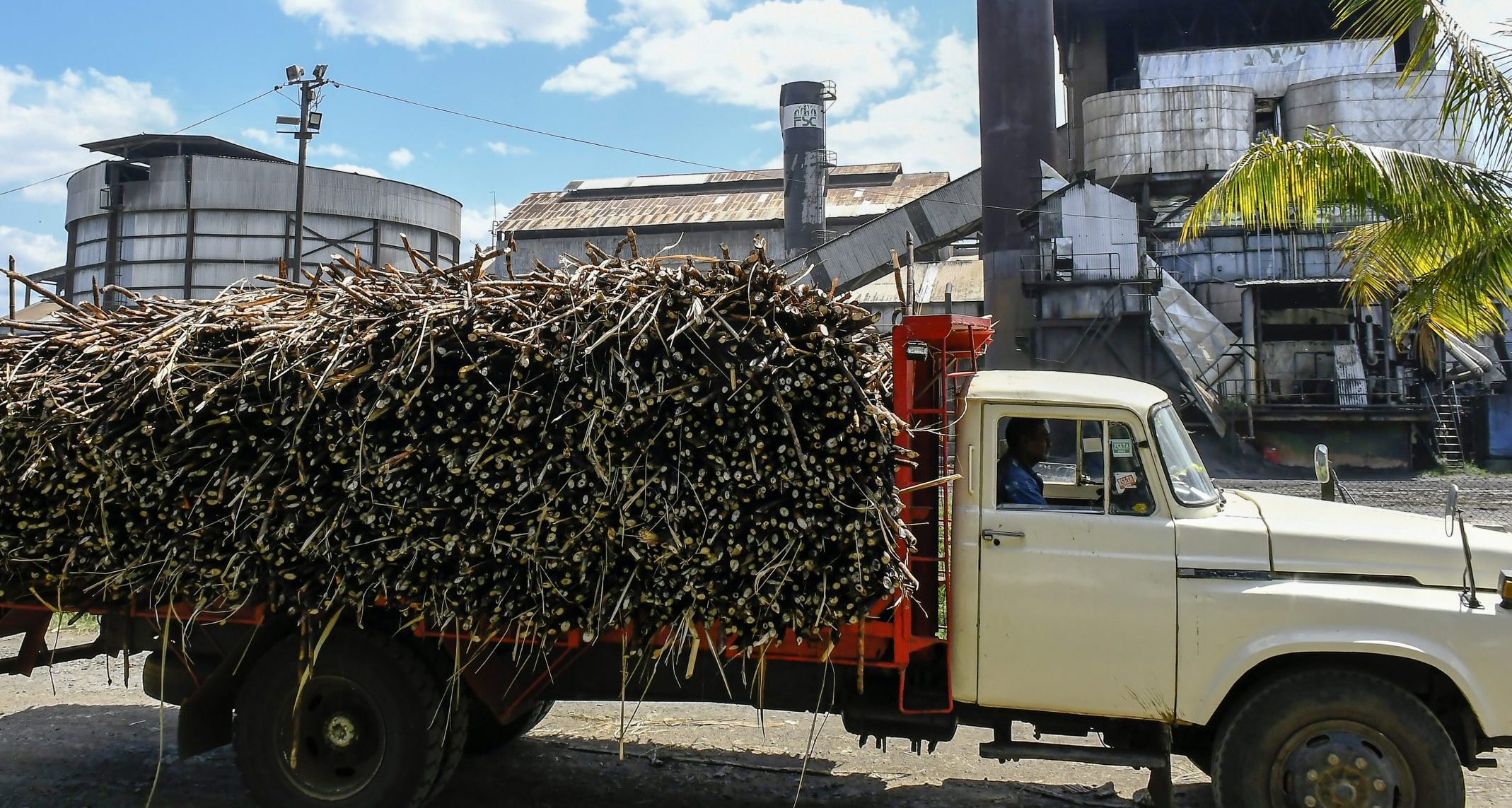
It means improving rural infrastructure and creating viable opportunities outside the major urban centres and addressing unemployment among young people before frustration becomes political resentment.
Government must also be prepared to confront difficult issues such as land, access to capital, business ownership and the continuing economic consequences of migration from traditional industries.
We simply cannot afford to wait until economic problems and frustration develop into street protest, community hostility or political upheaval.
We must act now!