SO, removing constitutional immunity provisions from our next constitution may achieve little in terms of holding past coup perpetrators accountable.
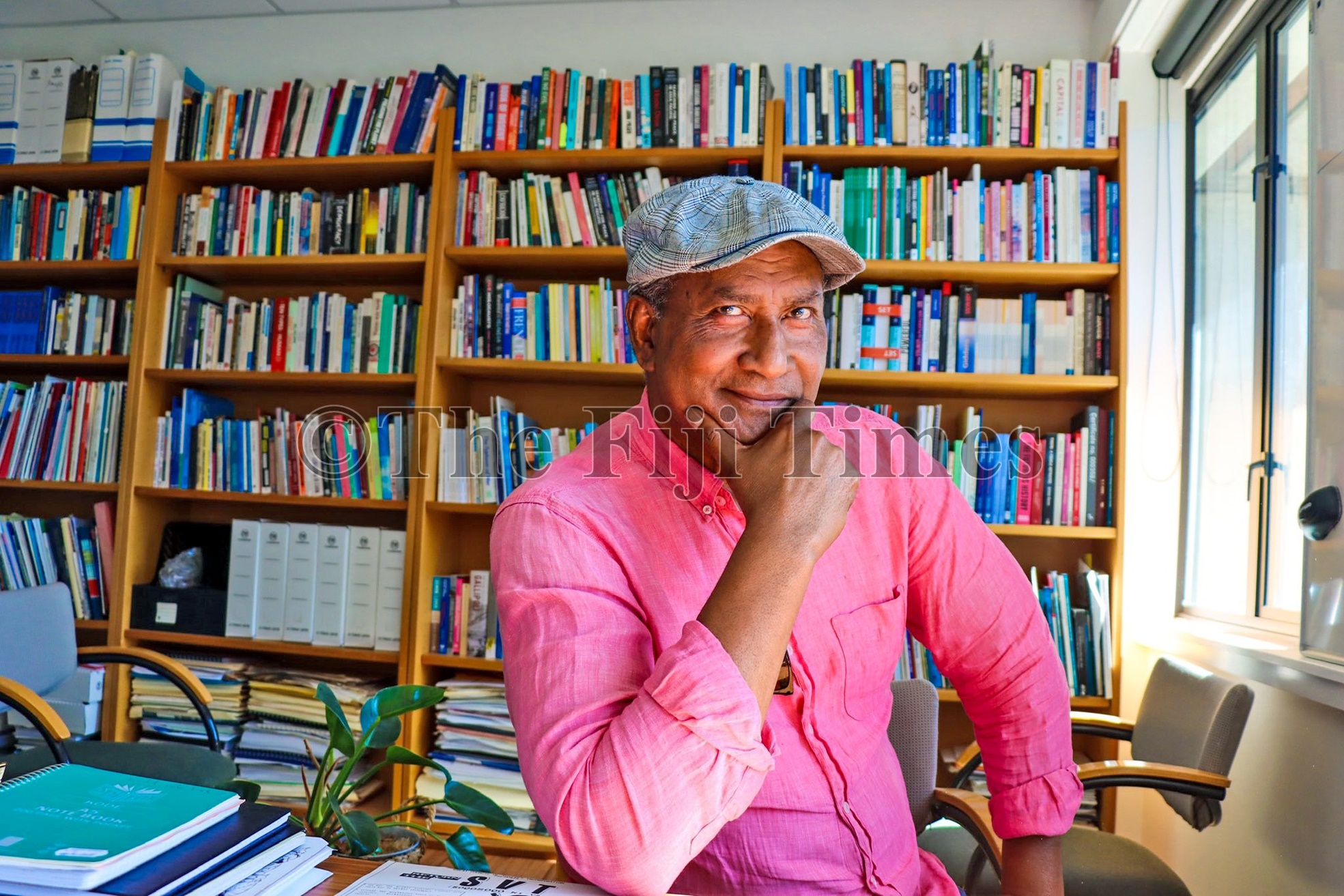
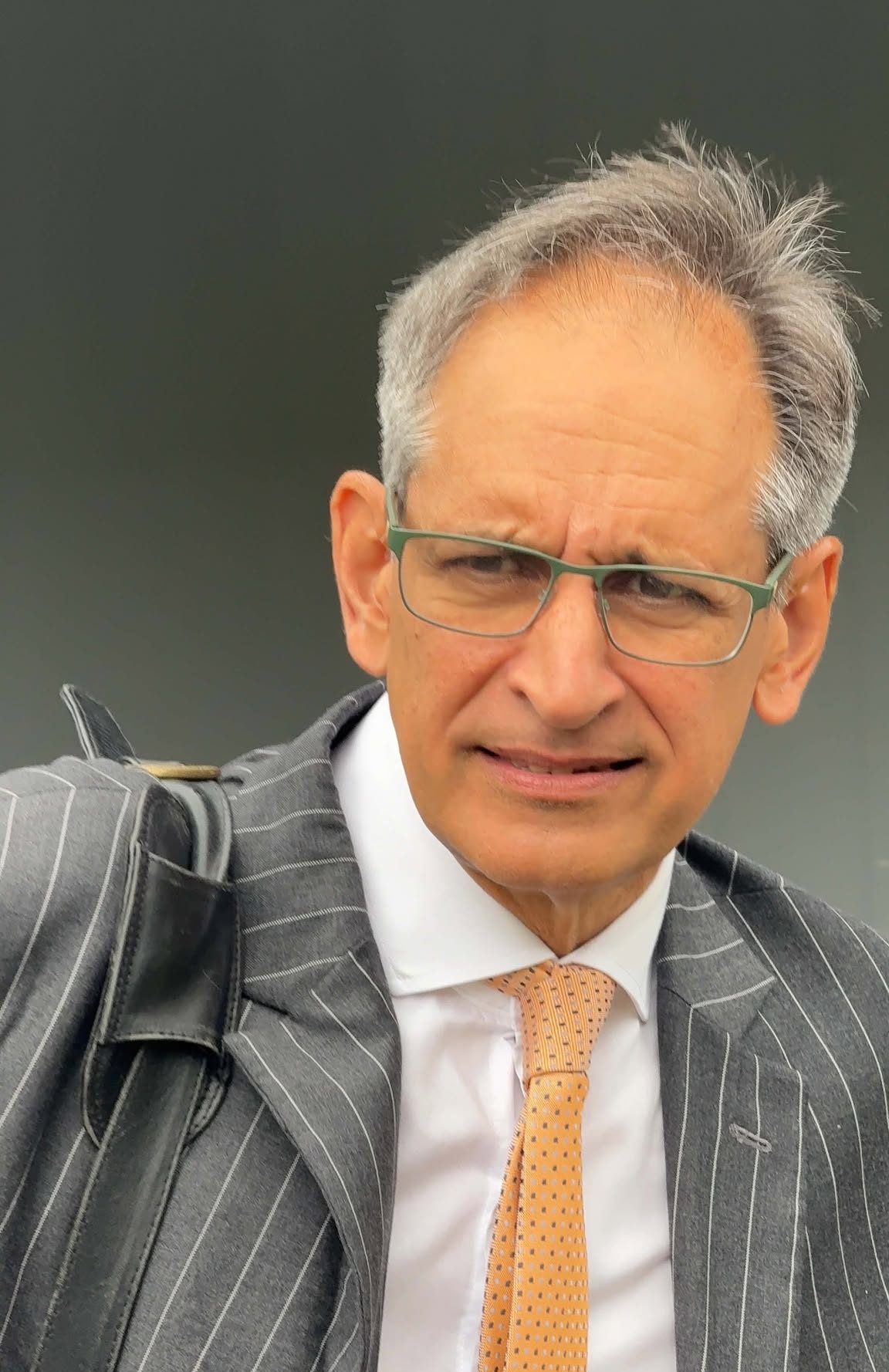
That is the view of senior Munro Leys lawyer Richard Naidu, who argues that any prosecution of coup leaders would rest with independent institutions such as the police and the Director of Public Prosecutions (DPP), not politicians.
His view on the ongoing debate over constitutional immunity is set to add another dimension to the many arguments surrounding this issue.
The Army wants it removed.
Some political parties want it removed. And there appears to be growing support for its removal across social media platforms.
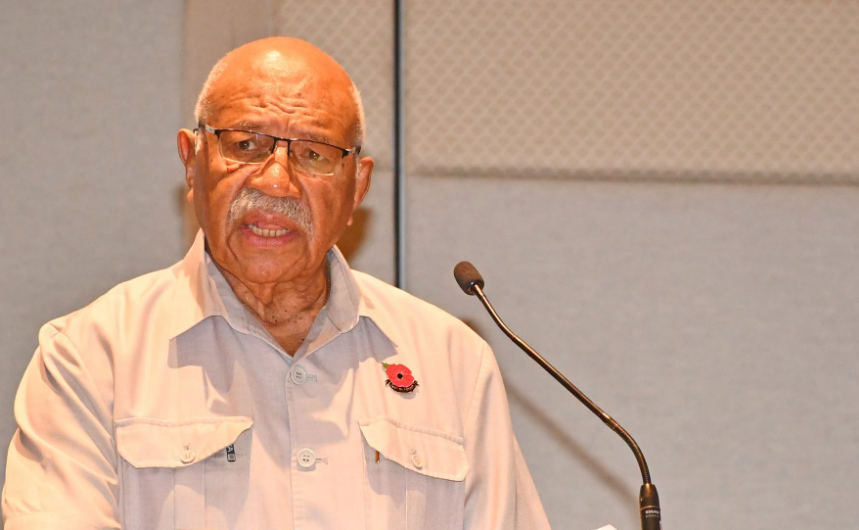
Republic of the Fiji Military Forces Commander Major General Ro Jone Kalouniwai has called for a Truth, Accountability and Reconciliation Commission to replace the immunity clause, stressing the importance of full disclosure and accountability.
He has made it clear that the RFMF does not seek immunity and has no desire to receive it.
It has called on Parliament to remove Chapter 14 and has accepted, without conditions, the civilian authority provided for under Section 151.
So, where do we go from here? Should immunity be removed, or should it remain? That is the big question!
One argument gaining traction is that removing the clause could help prevent future coups by ensuring those responsible are held accountable.
However, Mr Naidu says deleting the provisions does not necessarily mean former coup leaders, including Prime Minister Sitiveni Rabuka and former prime minister Voreqe Bainimarama, would face prosecutions or civil claims.
He maintains that immunity provisions protect those responsible for past coups from criminal prosecution and civil damages claims arising from their actions.
However, those protections do not extend to anyone contemplating a future coup.
On whether removing immunity would discourage future takeovers, Mr Naidu argues that anyone seeking to overthrow a government already faces the risk of prosecution for treason.
There is also the reality that successful coup-makers could just discard the constitution they have overthrown and establish a new one, complete with immunity provisions to protect their own actions.
That raises an important point in this debate. Can constitutional amendments guarantee accountability?
Can they automatically prevent another coup?
We say the strength of our institutions, the independence of the judiciary, police and DPP, and respect for democratic principles matter just as much.
Fiji has lived through enough political upheaval to understand the cost of coups.
So, we say, moving forward, whatever decision is made must strengthen democracy, protect the rule of law and ensure that no one is above accountability. We have got to do this for Fiji!