
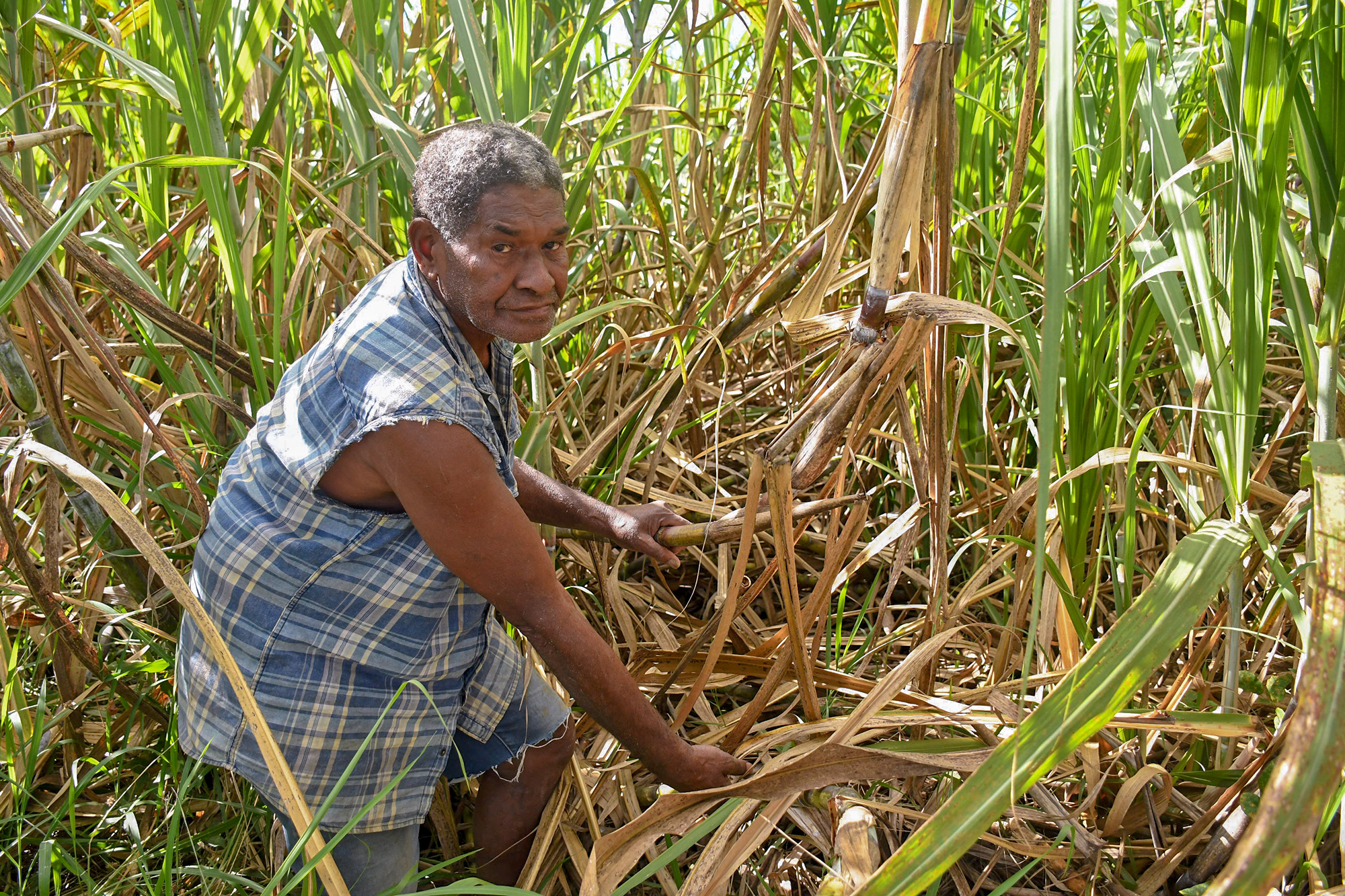
THE challenges confronting sugarcane farmers in Tavua are no longer isolated cases
They point to a deeper problem that threatens the future of one of Fiji’s oldest industries.
While cane prices, labour shortages and declining production have all played a role, farmers consistently identify one issue that has pushed many to breaking point — the loss of the railway transport system.
Its closure has forced farmers to rely almost entirely on commercial lorries, significantly increasing harvesting and transport costs.
Tavua farmers say large quantities of mature cane have been left standing because harvesting no longer makes financial sense. In some cases, the cost of cutting and transporting cane is almost equal to the price farmers receive for it.
By the time labour, cartage, land rent and fertiliser are paid, very little remains to support families.
Many growers have responded by reducing cane production or abandoning it altogether. Others have diversified into cassava, vegetables, livestock and small retail businesses simply to maintain an income. Some are even considering overseas employment to provide a sustainable livelihood.
Every farmer who leaves the industry represents a loss of production, experience and confidence, and once farms are converted to other uses, returning them to cane production becomes increasingly difficult.
The Fiji Sugar Corporation maintains that the Tavua tramline was closed because cane deliveries from the district had declined to levels that were no longer economically viable.
From an operational standpoint, that decision may be understandable. However, farmers argue that the decline in production accelerated precisely because affordable transport options disappeared.
Whether one views this as cause or consequence, the result is the same — fewer farmers, lower production and a shrinking industry. The situation calls for more than assigning blame.
It requires a practical assessment of how the industry can remain viable for both growers and the miller.
Transport costs deserve particular attention. If restoring parts of the railway network is no longer feasible, alternative measures should be explored, including improved transport subsidies, targeted infrastructure investment and more affordable cartage arrangements for farmers operating in difficult terrain.
Fiji’s sugar industry has overcome difficult periods before, but its future will depend on restoring confidence among growers.
Without profitable farming, younger generations will continue leaving the land, production will decline further and communities that have depended on sugar for generations will gradually disappear.
The concerns emerging from Tavua this week are not merely local grievances.
They are an early warning that preserving the sugar industry will require decisive action, practical investment and policies that place equal value on economic efficiency and the livelihoods of the people who continue to grow the nation’s cane.

