
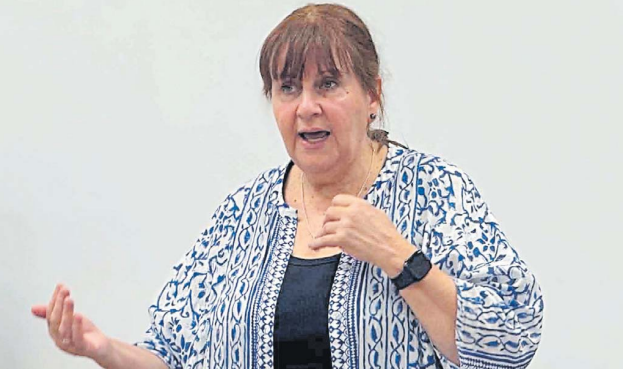
The principal of Glenview School, Lynda Knight, has made some interesting remarks about drug use.
Ms Knight believes Fiji’s growing concerns over drug use cannot be addressed without tackling childhood trauma and mental health issues affecting young people.
This makes for interesting reading. It offers a perspective that is often overlooked in discussions about our drug crisis.
Speaking during a trauma-informed educators’ workshop in Suva, Ms Knight said the misuse of drugs and alcohol is frequently tied to unresolved emotional pain, chronic stress and even trauma passed from one generation to the next.
Her message is focused on early intervention. If we want to prevent substance abuse, we must begin early.
She argues that childhood is the ideal time to equip young people with the emotional tools they need to cope with adversity. By helping children build resilience and maintain good mental health, we reduce the likelihood that they will seek refuge in harmful substances later in life.
That is a powerful point.
Schools and early childhood centres, she says, have a role that is greater than delivering academic lessons. They can become places of healing, where children feel safe, supported and understood.
A trauma-informed approach to education can help children regulate their emotions, engage more positively in learning and make wiser decisions as they grow.
In essence, when children are nurtured in the right environment, they are better prepared to reject drugs and alcohol when faced with those temptations.
We say this discussion comes at a critical time for Fiji.
Communities across the country continue to grapple with the growing impact of drugs. Families are being torn apart. Crime is increasing. Lives are being derailed.
We have spoken often about vigilance, enforcement and the need for tougher action against traffickers and dealers.
They are all necessary. But Ms Knight reminds us that prevention must be just as important as punishment.
We cannot arrest our way out of this crisis if we ignore the emotional wounds that leave many young people vulnerable in the first place.
There can be no doubt that we need engagement. We need people uniting to fight the war on drugs.
That means awareness at every level of society. It means understanding the root causes of addiction and appreciating what must be done to address them.
We say parents, teachers, faith groups, community leaders and policymakers all have a part to play.
The onus is on all of us to take that first step.
We must be serious about winning this battle. And we must do more than intercept drugs at our borders and prosecute those who profit from misery. We must also heal the hurts that push young people toward addiction.
So, let us invest in children, strengthen families and turn our schools into places of hope and recovery. Let’s push for a generation that is resilient enough to say no to drugs!

