Prolonged dry conditions across Fiji are affecting agricultural production, causing water shortages and raising concerns over possible electricity rationing as the impacts of El Niño continue to intensify.
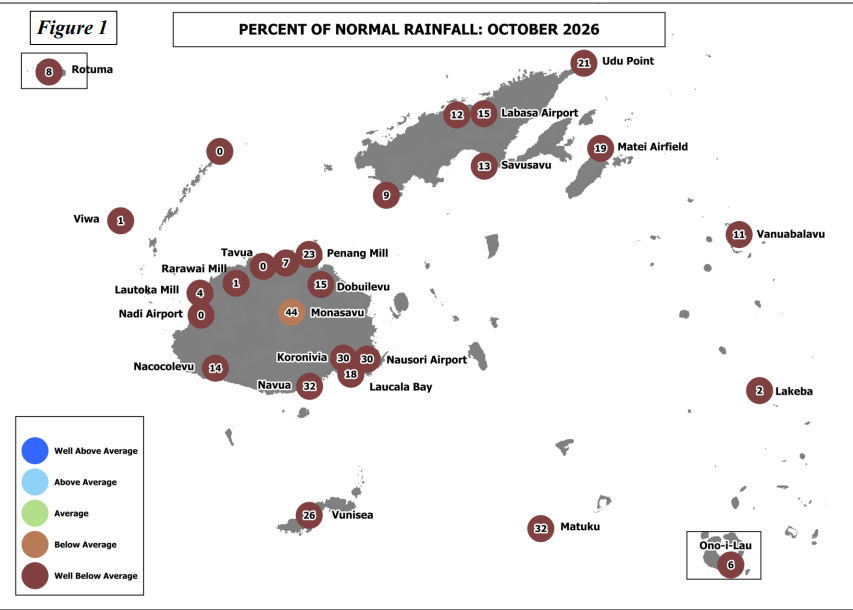
The Fiji Meteorological and Hydrological Services, in its October 2026 Climate Summary, reported that dry spells persisted across the Western and Northern Divisions and maritime areas, with rainfall severely suppressed throughout the month.
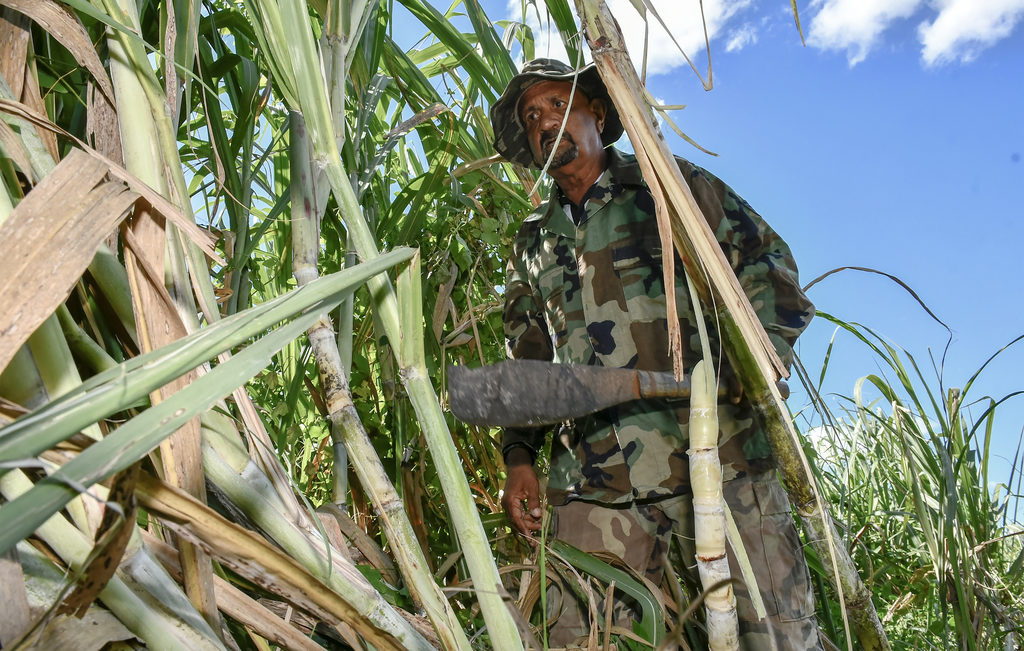
The report revealed that declining water availability and soil moisture were affecting vegetable and sugarcane farming, with some farmers losing crops before harvest.
“Some farmers reported crops withering before harvest, reducing income,” the report stated.
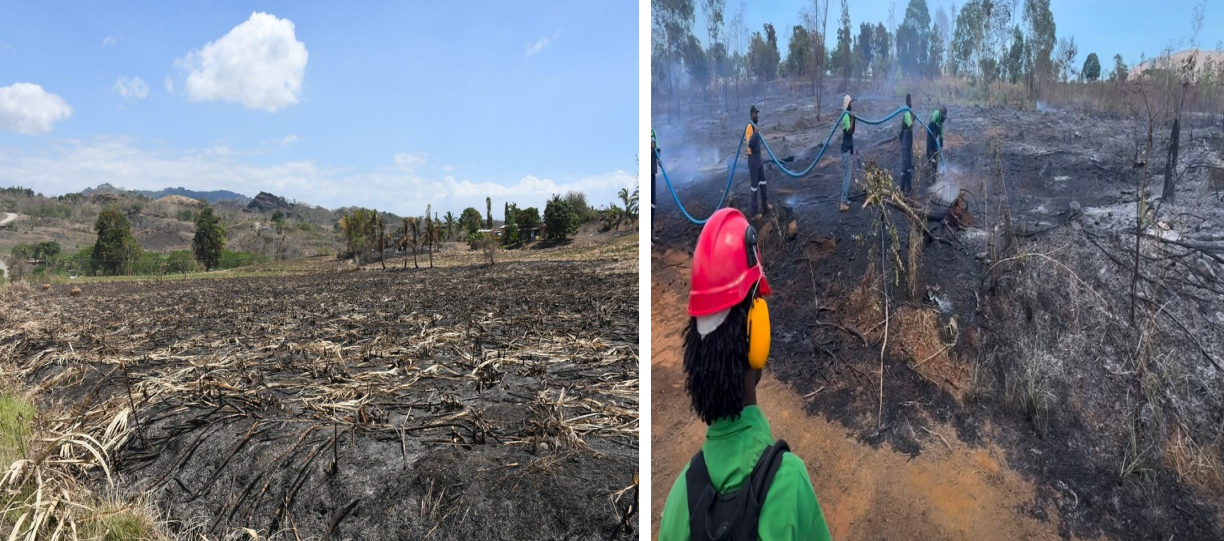
It said the dry conditions were also making land preparation difficult, while dry vegetation had increased the risk of bush and plantation fires.
Numerous fire incidents were reported across the Western Division.
The prolonged dry spell has also raised concerns about water storage levels, particularly at Vaturu Dam, which supplies water to parts of the Western Division.
The Water Authority of Fiji has urged residents and businesses in Nadi and Lautoka to conserve water, warning of possible supply disruptions and rationing.
According to the report, declining inflows and increased evaporation have affected water levels at the dam.
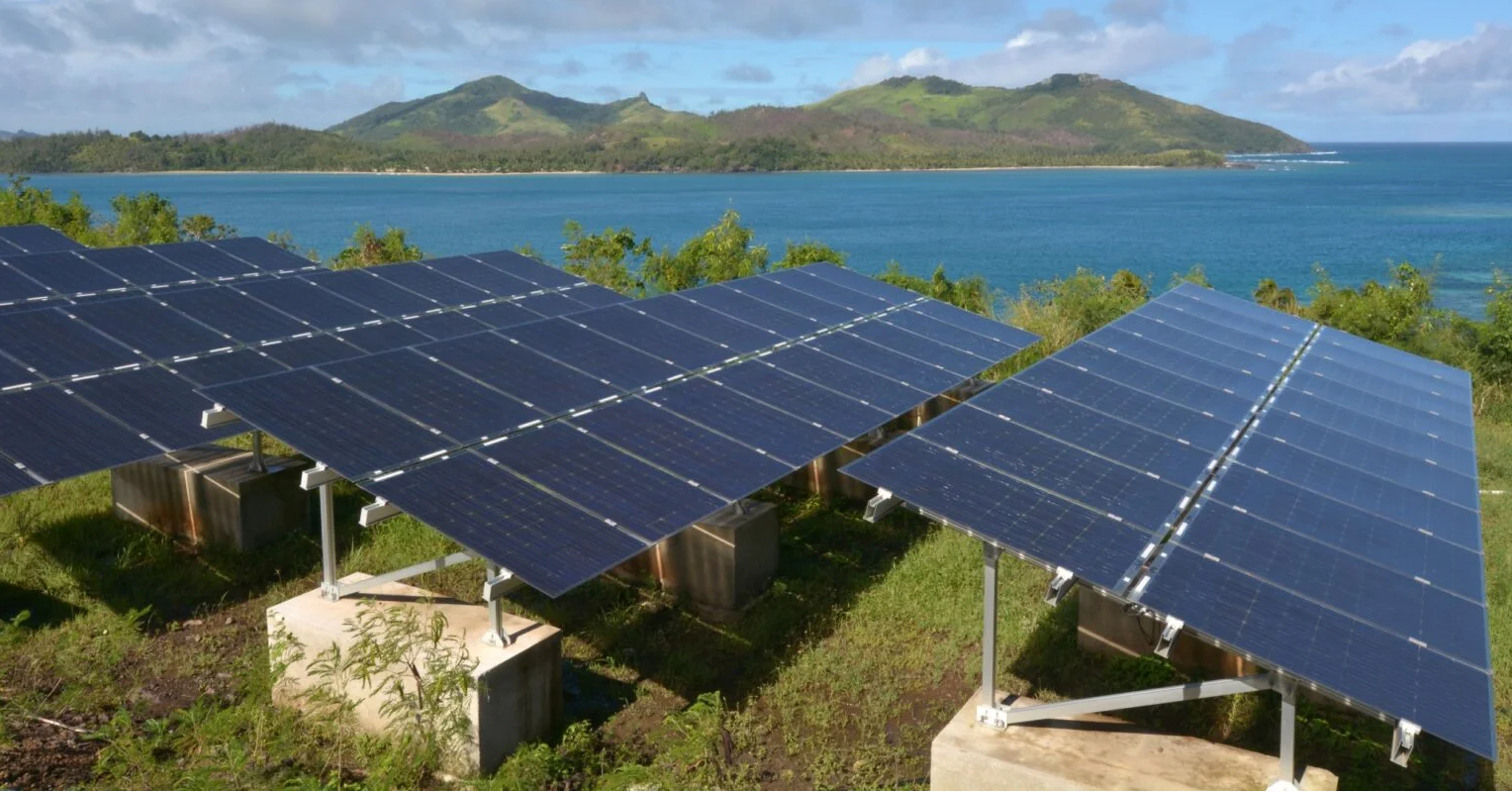
The dry conditions have also raised concerns about electricity generation.
The report noted that Energy Fiji Limited had warned that continued dry conditions could necessitate electricity rationing, with El Niño conditions likely to persist into 2027.
Meanwhile, rural and maritime communities continue to experience worsening water shortages.
Emergency water carting has been carried out in affected communities across the Western, Northern and Central Divisions, including the Yasawa Group, Malolo, Cikobia and Yanuca Island.
Water supplies have also been delivered to schools and healthcare facilities.
The report highlighted the situation at Ellington Settlement in Rakiraki, where more than 20 families were experiencing worsening water shortages as their main river water source continued to recede.
Declining river and stream levels and reduced household water pressure were also reported in parts of the Western Division.
The Fiji Meteorological and Hydrological Services said the prolonged dry conditions were having widespread impacts across several sectors, particularly agriculture, water supply and energy.