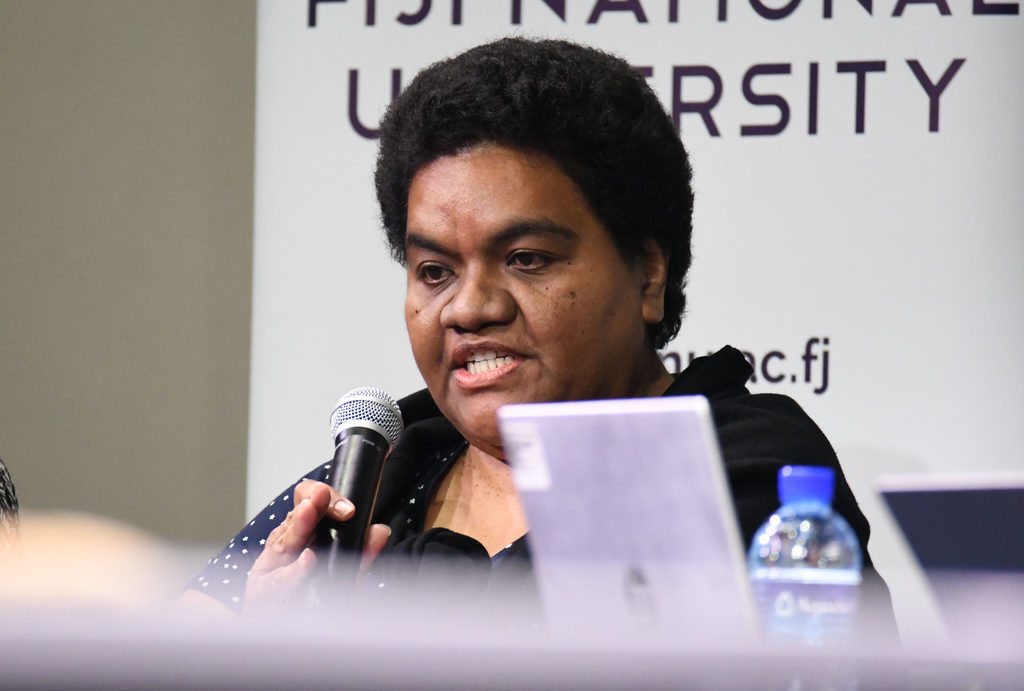
One Nation Party leader Tupou Draunidalo has defended the immunity provisions in Fiji’s 2013 Constitution, arguing they are necessary to secure a peaceful transfer of power following unconstitutional changes of government.
Speaking during the Fiji Media Association town hall on Thursday, Ms Draunidalo said immunity was historically part of an arrangement in which those who seized power would eventually surrender control through elections in exchange for protection from prosecution.
She said the arrangement was intended to allow a peaceful return to democratic government, and prevent further political instability.
“Otherwise, we’ll keep power forever,” she said.
“In England, they would settle their coups and revolutions by killing each other.
“This is a more civilised way of settling the issue.”
Ms Draunidalo also challenged the legal basis for the proposed constitutional changes, referring to former chief justice Daniel Fatiaki’s position that the Supreme Court’s advice to Cabinet was an opinion, not a judgment or binding ruling.
She questioned how such an opinion could be used to justify changes to the Constitution, particularly when she believed the amendment process should require a three-quarters parliamentary majority rather than two-thirds.
She maintained that her party supported the 2013 Constitution, including its immunity provisions.
However, Fiji Labour Party leader Mahendra Chaudhry took a firm position against retaining immunity, insisting that a coup could not be justified and those responsible should not be protected.
He said the party opposed the 2006 coup and had issued an official statement condemning it.
Mr Chaudhry also clarified that his appointment as finance minister in the interim government was at the request of the President and did not mean he supported the coup.
When asked directly whether immunity should remain in the Constitution, Mr Chaudhry responded saying it should be “completely out”.