The Fiji Public Service Association (FPSA) has raised concerns that the Government’s response to the escalating El Niño-induced drought does not adequately address the health, safety, welfare and working conditions of frontline public sector workers.
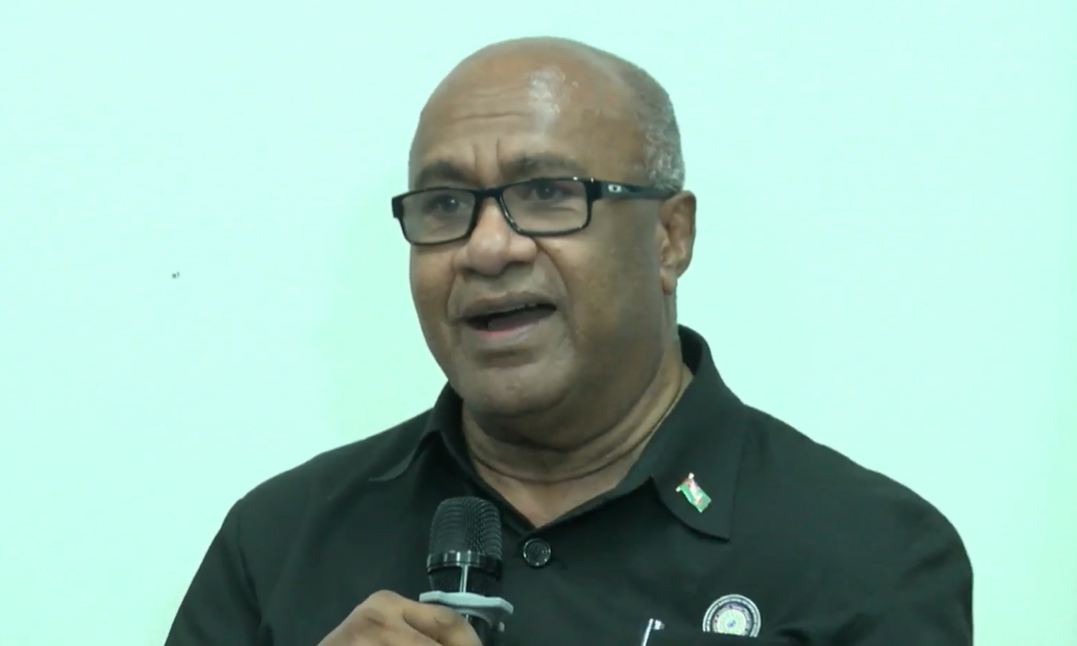
FPSA general secretary Judith Kotobalavu said while the association welcomed the declaration of a National State of Disaster and the Government’s allocation of $20 million towards emergency relief, greater attention must be given to workers responsible for delivering essential services.
“However, the FPSA is concerned that the announced response does not adequately address the protection, welfare and working conditions of the workers responsible for maintaining essential services and implementing disaster response measures,” she said.
Ms Kotobalavu said frontline public sector employees in health, water services, agriculture, local government and other essential sectors would face increased workloads, prolonged exposure to extreme heat, water shortages and additional emergency duties.
She identified several critical gaps in the Government’s response, including access to safe drinking water at workplaces, overtime compensation, emergency duty allowances, adequate staffing and financial assistance for affected workers.
The association also called for employment protection where drought conditions disrupted normal operations, as well as specific measures to safeguard workers in remote and maritime communities.
Ms Kotobalavu urged the Government to establish a dedicated Workers’ Protection and Welfare Framework to ensure safe working conditions, appropriate compensation, adequate resources, targeted financial assistance and protection of employment rights throughout the disaster and recovery period.
“The FPSA emphasises that public sector workers are equally affected by the drought and should not be expected to sustain essential services at the expense of their health, safety and welfare,” she said.
“A national disaster response cannot be comprehensive if it protects communities but overlooks the workers responsible for delivering that protection.”