
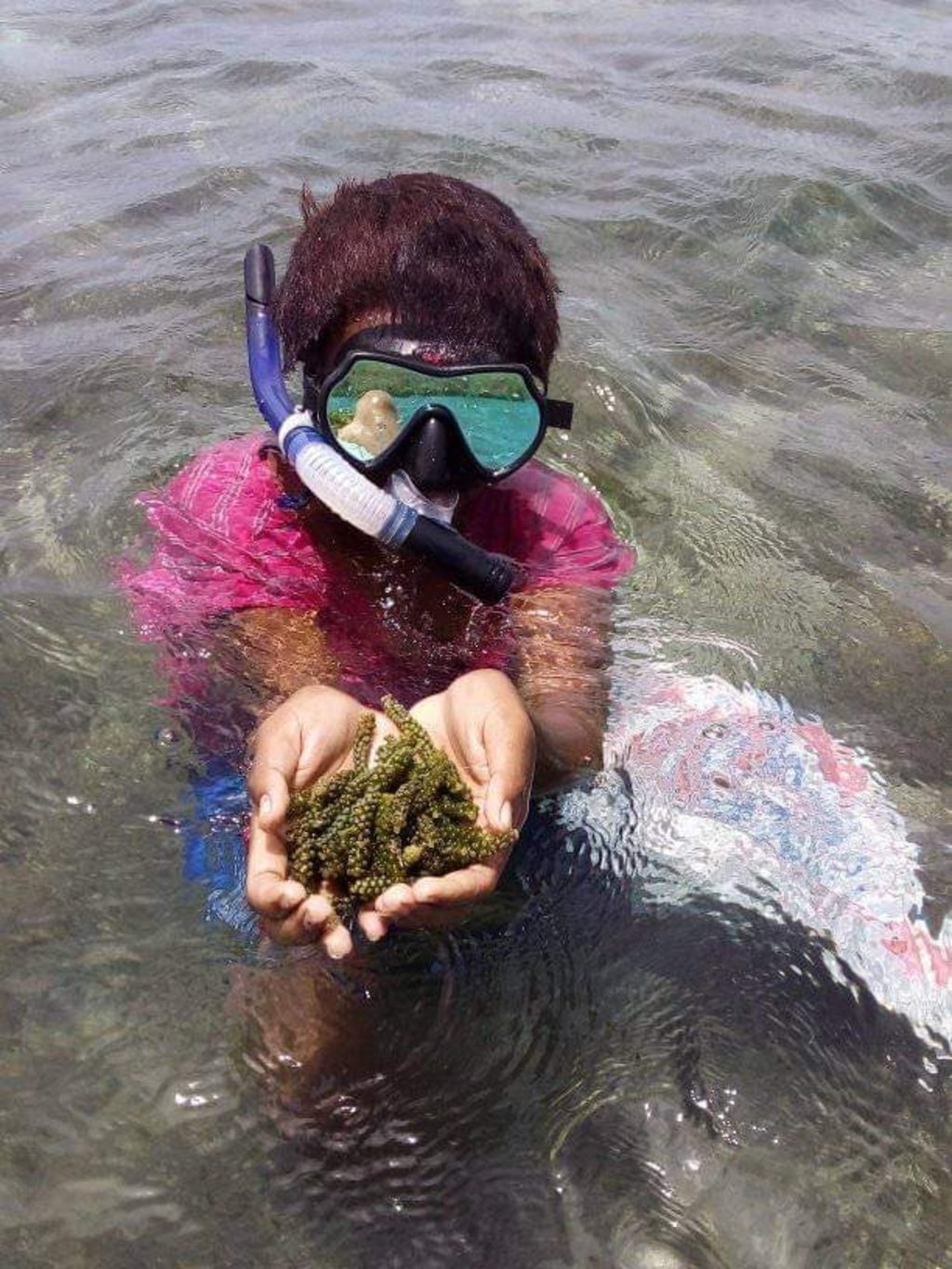
This week, the Discovering Fiji series took us along the sunlit coast of Ra, to the roadside and seaside village of Namuaimada, a place where the ocean does more than feed families.
It sustains livelihoods, shapes routines and, most notably, is driven by the industrious women who have turned a humble delicacy into the backbone of their local economy.
Renowned for nama, the edible sea grapes prized in iTaukei cuisine, Namuaimada stands apart.
In many parts of Fiji, income streams such as farming, fishing and handicrafts are largely male-dominated.
Here, however, women have stepped decisively into the economic forefront, balancing traditional roles with entrepreneurial drive.
They are, as one media colleague described, “real-life Amazons”, resilient, disciplined and deeply connected to both vanua and sea.
A day shaped by the tide
From the break of dawn, their day begins. By 4am, many are already awake, preparing children for school, tending to household chores and fulfilling village and church obligations.
Meals are cooked, uniforms pressed, and homes put in order before the tide dictates their next move.
By 6am or 7am, they are out at sea.
Their destination is Cakau Levu, a reef just off Malake Island, reached after a 30 to 40-minute journey by fibre boat powered by outboard engines.
The ride itself is not always easy as changing weather conditions and rough seas can make the trip physically taxing.
Still, it is a journey they make daily, driven by necessity.
Once at the reef, the women spend three to four hours diving and harvesting nama, carefully plucking the delicate sea grapes and placing them into sacks.
The work requires patience and precision, ensuring the nama remains intact and of high quality for market.
On an average day, they aim to fill a 10-kilogram sack.
On better days, some manage to harvest up to 25kg.
In total, about six hours of a typical day is dedicated solely to the nama trade.
Recovery after devastation
Yet this thriving industry has not been without its challenges.
When Severe Tropical Cyclone Winston struck Fiji in 2016, Ra was among the hardest-hit regions.
Beyond the destruction of homes and infrastructure, the cyclone wiped out nama beds, which was a devastating blow to both food security and income for the coastal villages, chief among them, Namuaimada.
“For some time, there was nothing,” villagers recalled, reflecting on the uncertainty that followed.
The loss forced families to rely on alternative sources of income and support, testing the resilience of the community.
But patience and persistence paid off as years later, when villagers returned to the reefs, they noticed signs of recovery.
Small patches of nama were reappearing. Encouraged, both men and women resumed diving, and over time the nama beds regenerated.
Today, harvesting takes place across three reef areas, with a simple but effective system in place to ensure sustainability.
Once a reef has been harvested, it is left untouched to regenerate while the women move on to another site.
At present, most of the collection is concentrated around Cakau Levu, which has shown strong regrowth.
From reef to market
Back on land, the process continues with equal care.
Freshly harvested nama is placed in basins and tightly covered to prevent exposure to air, which accelerates spoilage and reduces freshness.
Maintaining quality is essential, as it directly affects market value.
When ready for sale, the nama is packed into sacks, tied securely and labelled with the names of middlemen or vendors.
Transport logistics are carefully planned, with shipments typically sent on the 1pm or 6am buses heading towards Nausori and Suva.
However, rising costs are eating into profits.
The ongoing fuel crisis has pushed freight charges from $2 to $4 per sack, a significant increase for small-scale vendors.
For those who choose to travel and sell directly at the markets, expenses quickly accumulate: a $20 one-way bus fare, market fees, packaging materials, payments to wheelbarrow carriers and the cost of chillies often sold alongside nama.
Despite these costs, the returns remain worthwhile.
A 10kg sack of nama sells for about $90, while a 25kg sack can fetch between $130 and $150, depending on quality and demand.
On average, a woman selling three 10kg bags a week can earn around $270 to $300 before expenses, a substantial contribution to household income.
Empowerment
and economic impact
Around 40 women in Namuaimada are actively engaged in the trade.
Many dedicate Wednesday, Thursday and Friday to selling in urban markets, returning to the village on Saturday nights to resume their domestic and community responsibilities.
Sera Baleisasa, the president of the village’s Soqosoqo Vakamarama, shared that the impact of nama extends far beyond financial gain.
“The money we earn has helped improve our living standards,” she said.
“It supports our children’s education, helps us meet our church and traditional obligations, and allows us to invest in our futures.”
Those investments are evident throughout the village.
Homes have been upgraded, some families have purchased vehicles, while others have invested in fibreglass boats to improve efficiency at sea.
A number of women have also established small canteen businesses, diversifying their income streams.
Importantly, the nama trade has also strengthened the role of women within the community.
While they continue to uphold cultural and familial responsibilities, they are now also recognised as key economic drivers and decision-makers, contributing directly to household and village development.
What was once a shared activity between men and women has evolved into a women-led industry that underpins the village economy.
As the tide comes in and goes out each day, so too does the rhythm of life in Namuaimada, which has now become increasingly defined by strong women who continue to draw sustenance and opportunity from the sea.
In their hands, nama is more than a delicacy but a symbol of survival, empowerment and the enduring strength of Fiji’s coastal communities.
Next week — Part 2, we touch on the environmental challenges and the sustainable harvesting methods employed by the women of Namuaimada as well as their long-term vision for a large scale commercial venture.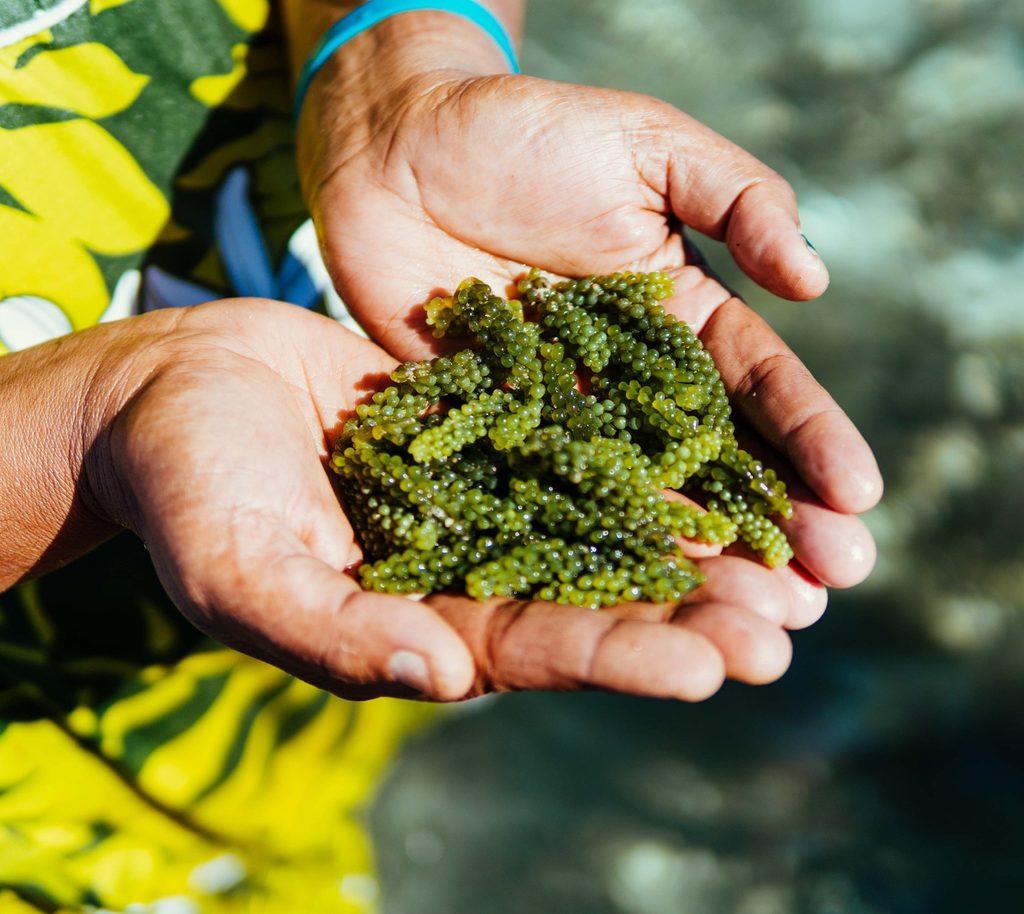
Green Gold! Nama is the economic lifeline of Namuaimada Village in Nalawa district in Ra. Picture: SUPPLIED
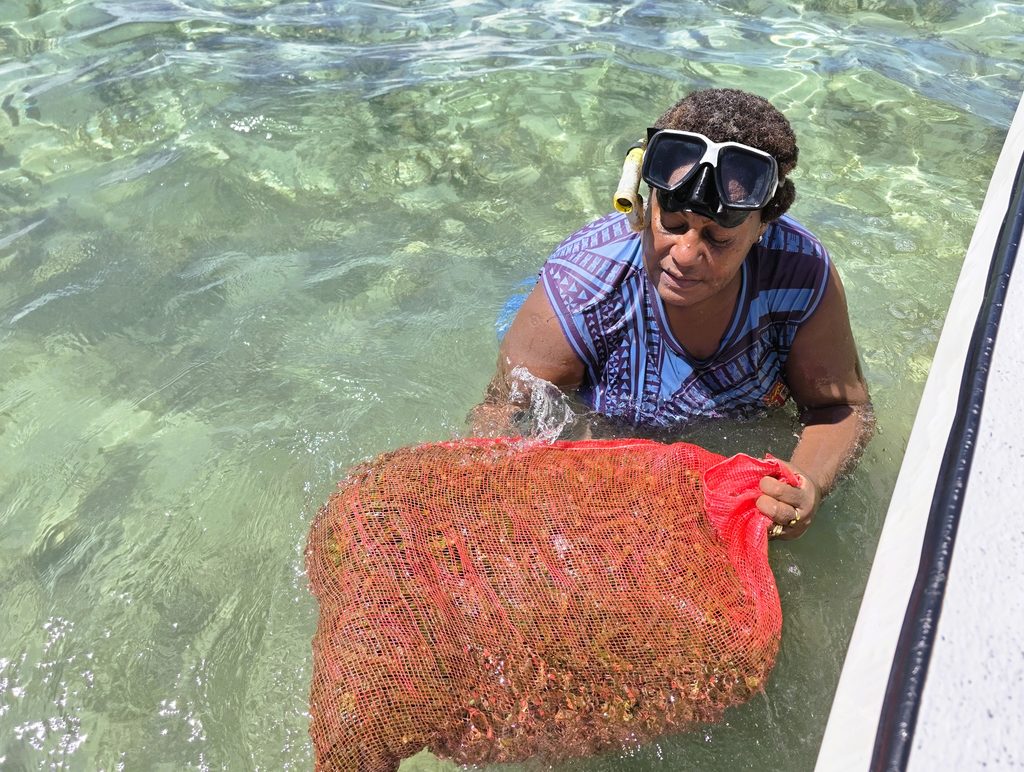
It’s a good day. The women try to fill up at least a bag a day. Picture: ALIFERETI SAKIASI
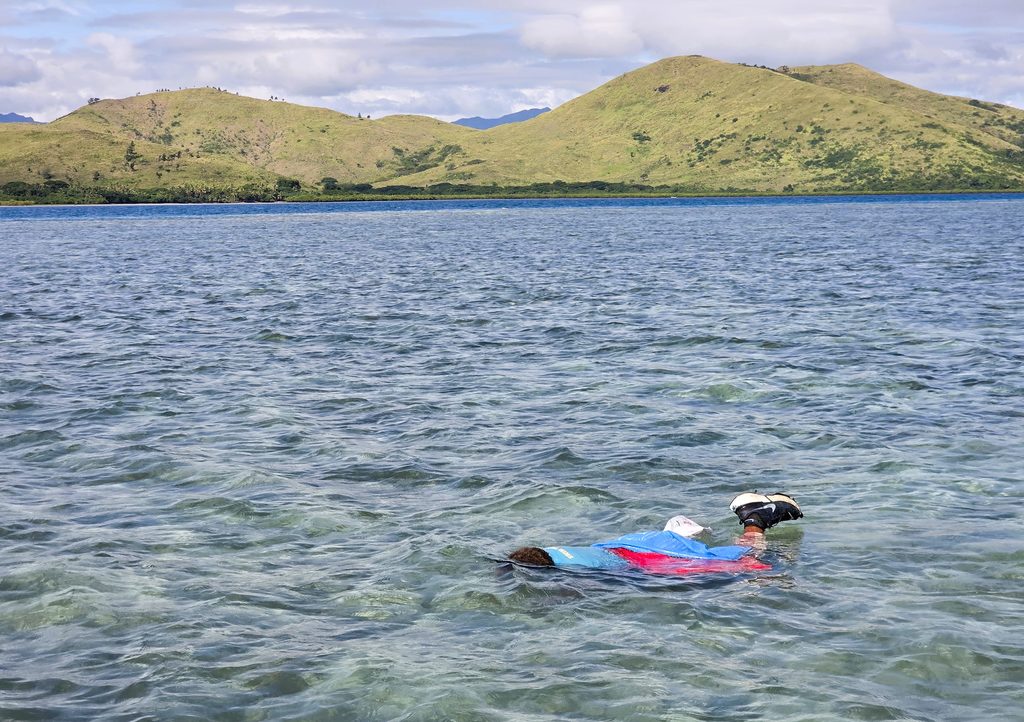
Nama grows in abundance on Cakau Levu just off the coast of Malake (in background).
Picture: ALIFERETI SAKIASI
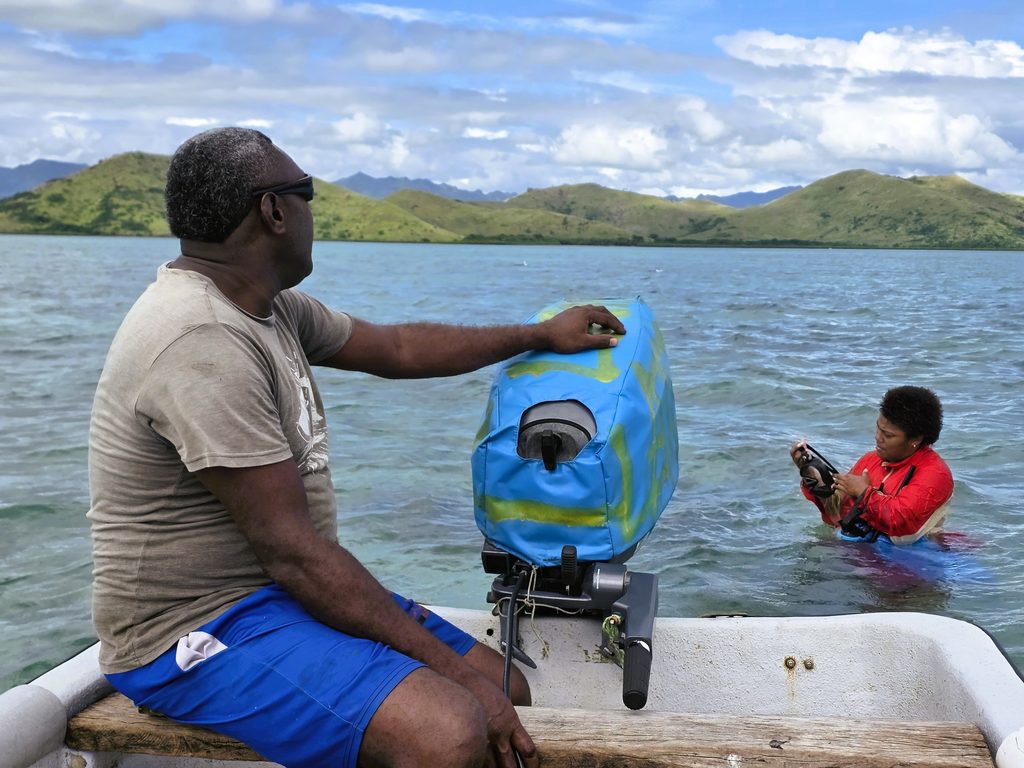
Turaga ni Koro and skilled village mechanic, Harry Rounds keeps a watchful eye over the women while they’re out on the reef. Picture: ALIFERETI SAKIASI

A woman of Namuaimada holds up two handfuls of nama.
Picture: ALIFERETI SAKIASI
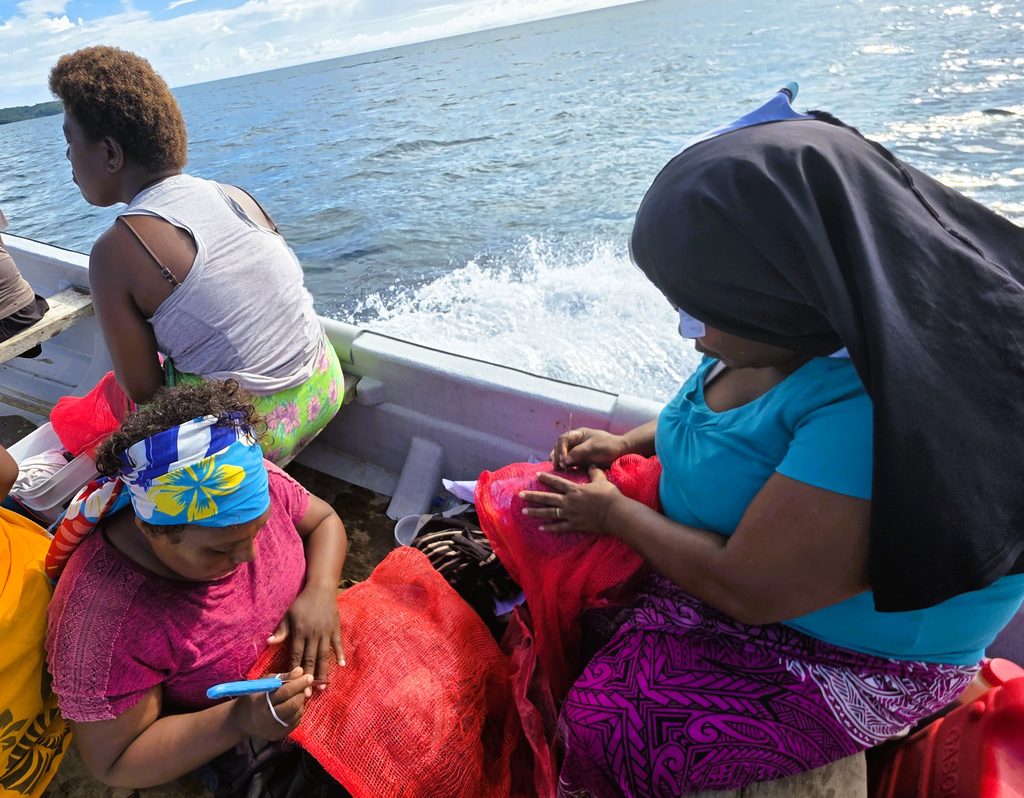
The women preparing their netted-bags used to collect nama. Picture: ALIFERETI SAKIASI
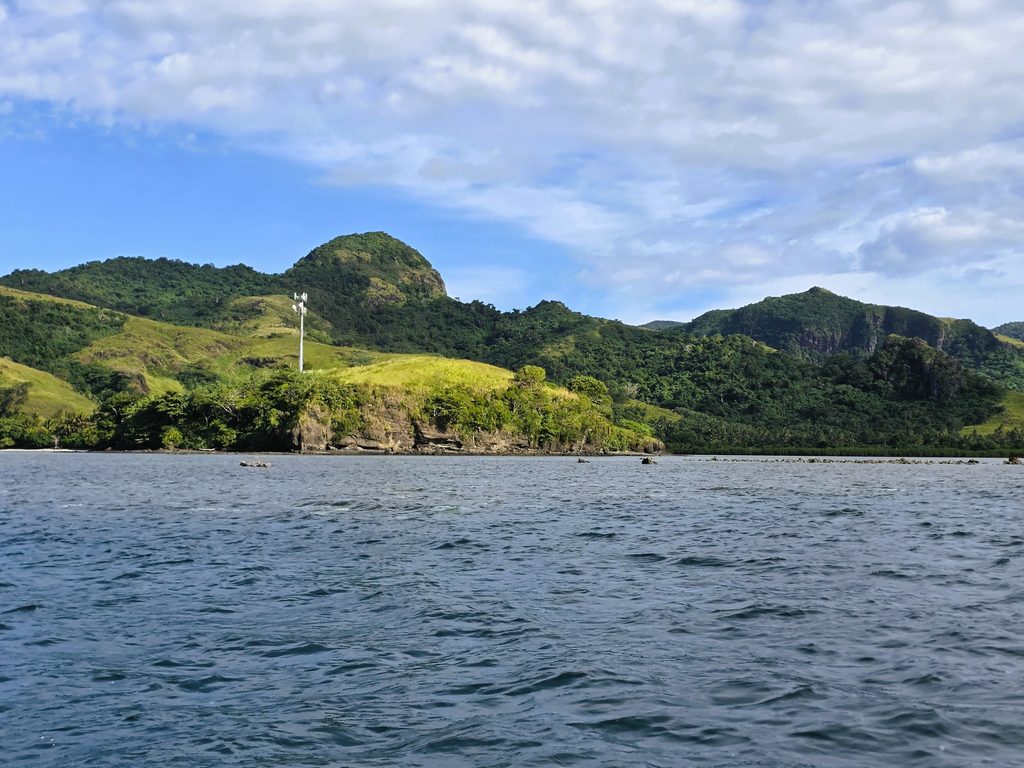
The beautiful Ra coastline teeming with fresh seafood from nama, lumi and octopus. Picture: ALIFERETI SAKIASI
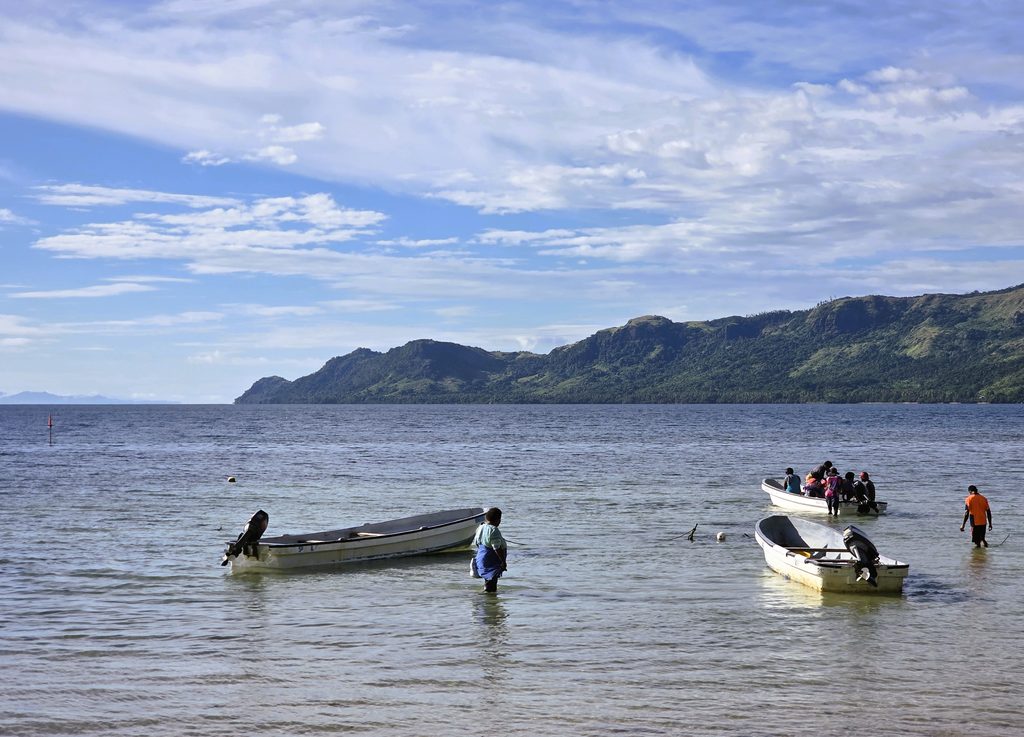
The women of Namuaimada and their male counterparts load supplies as they prepare to depart for a day’s work on the reef. Picture: ALIFERETI SAKIASI

