ONCE the “Avondale of the Pacific”, Fulton College grew from a wartime dream into one of the region’s most influential centres of Adventist learning.
The Kings Road does not announce Fulton.
There is no great gateway or towering sign telling the traveller that, beyond the roadside greenery in Korocou, Tailevu, lies the remains of an institution that once shaped generations of Pacific lives.
You have to know where to look.
The journey from Suva towards Korovou takes you through the familiar face of rural Fiji — villages resting beneath coconut palms, yaqona gardens tucked behind homes, roadside stalls, buses slowing to collect passengers and children making their way along the edge of the road.
The landscape changes almost imperceptibly.
The city disappears slowly, the traffic thins out and the greenery becomes deeper.
And then Fulton appears.
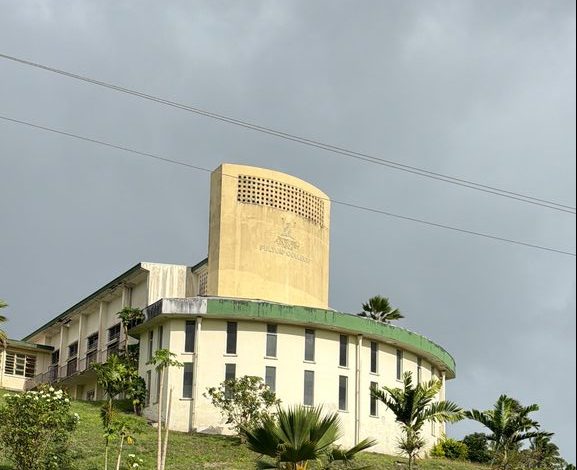
Today, the old campus is sombre and quiet.
The buildings, once filled with the movement and voices of students, teachers and workers, now carry the unmistakable marks of time. Grass pushes through forgotten spaces. Trees stand where young students once walked. Walls and corridors that once represented the promise of a modern Pacific education now seem to be waiting for voices that may never return.
But there is something hauntingly beautiful about the place.
Perhaps it is because Fulton was never merely a school.
For much of the 20th century, it was a place where young Pacific Islanders came to prepare themselves for lives of service.
And although the institution eventually moved west to Sabeto, near Nadi Town, its story remains firmly rooted in Tailevu.
For those who once called Fulton home, the old campus is not abandoned. It is remembered.
A wartime beginning
The story of Fulton Tailevu began with a departure, at the end of 1939.
Buresala on Ovalau ceased operating.
The following year, about 40 students and staff — remembered as the “Gang of 40” — took on the enormous task of developing a new property in Tailevu under the direction of Arthur Dyason.
It was not an easy time to build a school.
The outside world was at war.
Money and materials were scarce, yet the vision was ambitious.
Buresala was moved from Ovalau to Tailevu and combined with Navuso School, along with the teaching components of Samabula Indian School and Vatuvonu School on Vanua Levu.
The budget was just £2,000, supplemented by the sale of a launch and land belonging to the existing institutions.
But out of those limited resources emerged a much bigger dream.
The new institution was named after John Fulton and was planned to accommodate about 200 students.
There would be training for pastors and teachers, technical instruction, and primary education for both Indian and Fijian children.
The Seventh-day Adventist Church had a vision that reached far beyond Fiji.
It wanted this institution to become the Avondale of the Pacific — a place where young people from the islands could receive training close to home and return to serve their communities.
On April 28, 1941, Fulton Missionary School officially opened.
The timing was significant becaPacific was living through the uncertainty of war.
Yet in a rustic corner of Tailevu, a school was opening its doors.
Education was being built as an investment in a future that nobody could yet see clearly.
When Fulton became a college
The Adventist Church continued to grow throughout the Pacific, and Fulton grew with it.
When the Central Pacific Union was established, Fulton Missionary School was transferred from the Fiji Mission to the new regional structure.
In 1949, its name changed to Fulton Missionary College. That change was more than a new sign on a building.
Fulton had become the senior educational institution serving the training needs of the wider region.
Departments were organised and, in the same year, the college held its first graduation.
Think of what that meant in those days.
A young person could arrive in Tailevu from a village in Fiji or from another Pacific island, live among people of different backgrounds and spend years preparing for a life of teaching, ministry or service.
The campus became a melting pot for the Pacific.
The accents and cultures were different. But the dream was shared one.
“Me and my two sisters came from Vanua Levu to school at old Fulton,” said ex-scholar Salanieta Vakamino.
“My time there changed my life and my future and I’m sure the same that’s what happened to eveeryone who schooled there.”
Building more than classrooms
As Fulton expanded, so did its physical footprint.
A new kitchen and dining room were built in 1959.
For the institution’s 21st anniversary, plans were unveiled for a new administration building, library, chapel and classroom block.
The buildings were completed in 1964 and opened by Fiji’s governor, Sir Derek Jakeway.
By then, Fulton had become a significant feature of the Tailevu landscape.
It was a place of study, worship, work and community.
The rhythm of campus life would have been familiar to generations of students: early mornings, classes during the day, meals in the dining hall, evening activities and the quiet return to dormitories.
For many students, those years would become some of the most defining of their lives.
When the college went farming
Fulton’s story was not confined to classrooms.
In the 1960s, under Max Ferguson, the college developed a dairy farming venture.
The leasehold grew from about 400 acres to almost 1,600 acres.
For a time, Fulton became the largest shareholder in Rewa Dairy.
The ambition was straightforward: agriculture could help make the college financially self-supporting.
It was an impressive experiment.
Education and agriculture existed side by side, with the land itself becoming part of the institution’s economic life.
But a major farming operation required specialised management and expertise.
Keeping the agricultural enterprise running while maintaining the central focus on education became increasingly difficult.
Eventually, the farms were sold.
Still, the episode remains part of the Fulton character — an institution prepared to take risks and search for ways to sustain its mission.
A college in an independent Fiji
In 1971, a year after Fiji gained independence from Britain, Fulton Missionary College became Fulton College.
The new Fiji was emerging.
First local principal
During the 1990s, under Nemani Tausere — Fulton’s first Fijian principal and its longest-serving principal in one appointment — further development took place.
Staff and student accommodation was expanded.
Transit units were built and the library was enlarged.
The institution continued to evolve.
By the late 1990s, landowners from Nakalawaca village had begun expressing dissatisfaction with the lease arrangements.
They believed the college was prospering while the returns to the landowners were not enough.
It was a conversation that could never be separated from Fiji’s deeper relationship with land.
By the early 2000s, Fulton was also trying to strengthen its relationship with the national education system.
The college, the Education Department of the Trans Pacific Union and the Fiji Mission developed a memorandum of understanding with the Ministry of Education.
The proposal included opportunities for education students to receive Public Service Commission scholarships and possibilities for government-supported lecturer salaries.
The political crisis of 2006 disrupted those plans.
Still, some Fulton education students received Public Service Commission scholarships.
Then Fiji’s higher education landscape changed.
The Fiji Higher Education Promulgation was gazetted in 2008, establishing the Fiji Higher Education Commission.
Fulton entered that new system.
It was recognised in December 2010.
In November 2012, it was registered as a university college for five years.
For an institution that had begun with 40 people clearing and developing a property during wartime, it was another remarkable step.
But the biggest change was still to come.
Saying goodbye to Tailevu
In 2010, Fulton signed a 99-year lease for 123 acres at Sabeto, near Nadi Airport.
Construction began in 2011.
By 2014, students were attending classes at the new campus.
After more than seven decades in Tailevu, Fulton had moved.
In 2018, following renewal of its institutional registration, Fulton became Fulton Adventist University College.
Today, when travellers pass the old property on the Kings Road, they may see only aging buildings and overgrown grounds.
But those who know the story see something else.
Somewhere, perhaps in a village far beyond Tailevu, there is still a former Fulton student who remembers a classroom, a teacher, a friend, a meal in the dining hall or an evening beneath the Tailevu sky.
That is the enduring story of Fulton. Although its classrooms now stand largely silent near Korovou, the story they helped create is still travelling across the Pacific.
Fulton left Tailevu. But Tailevu never really left Fulton.
The old buildings remain there, submissively facing the Kings Road, as if waiting for the next generation to ask the simplest of questions:
What happened here?
The answer is a story of faith, education, sacrifice and service.
And above all, a story of people who believed that if you educate one generation, you can change many more that follow.
This article was written using information sourced from the website:encyclopedia.adventist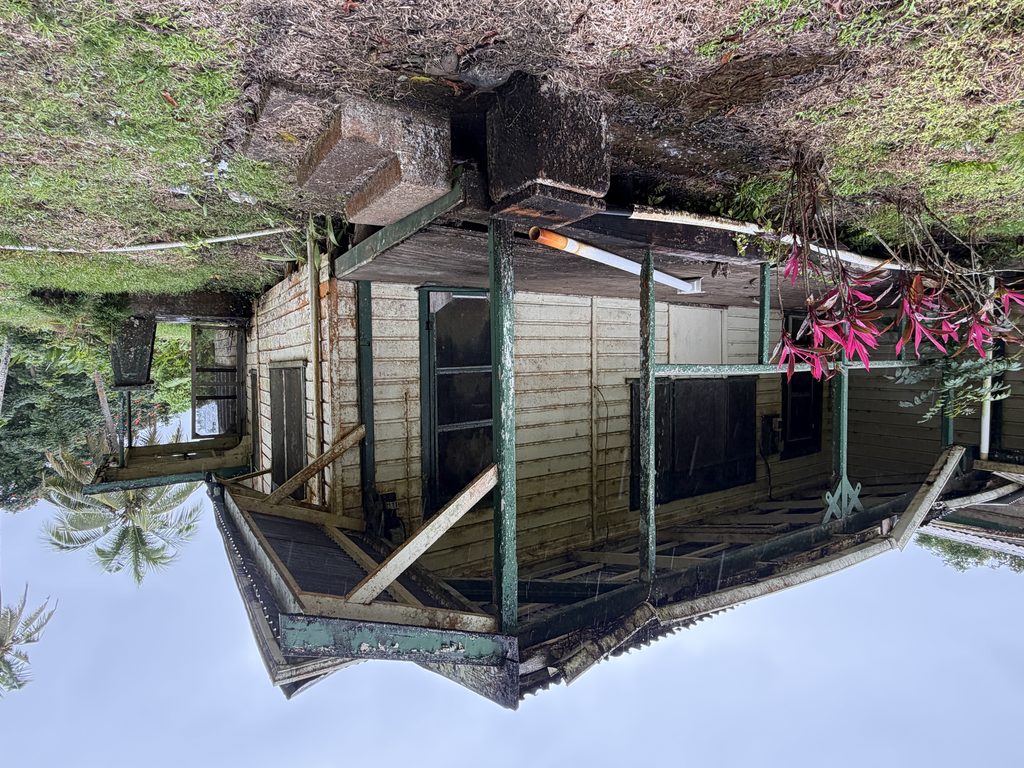
If these weathered wooden walls could talk, imagine the stories they would tell. Picture: ANA MADIGIBULI
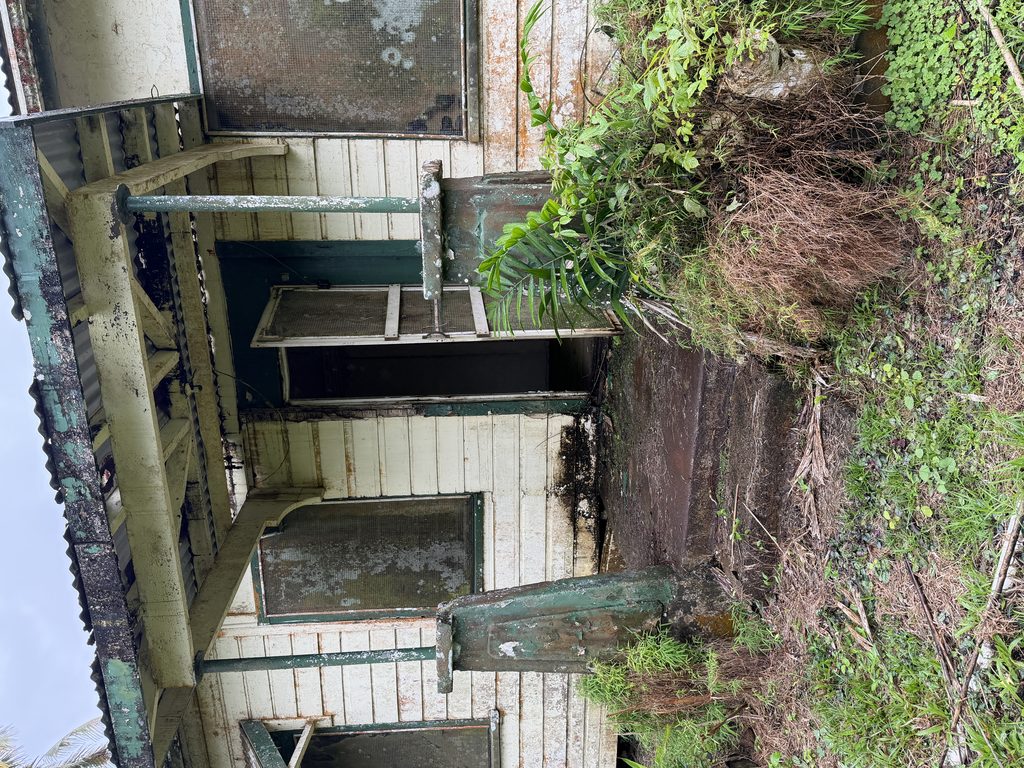
Falling apart but still holding onto generations of schoolyard memories. Picture: ANA MADIGIBULI
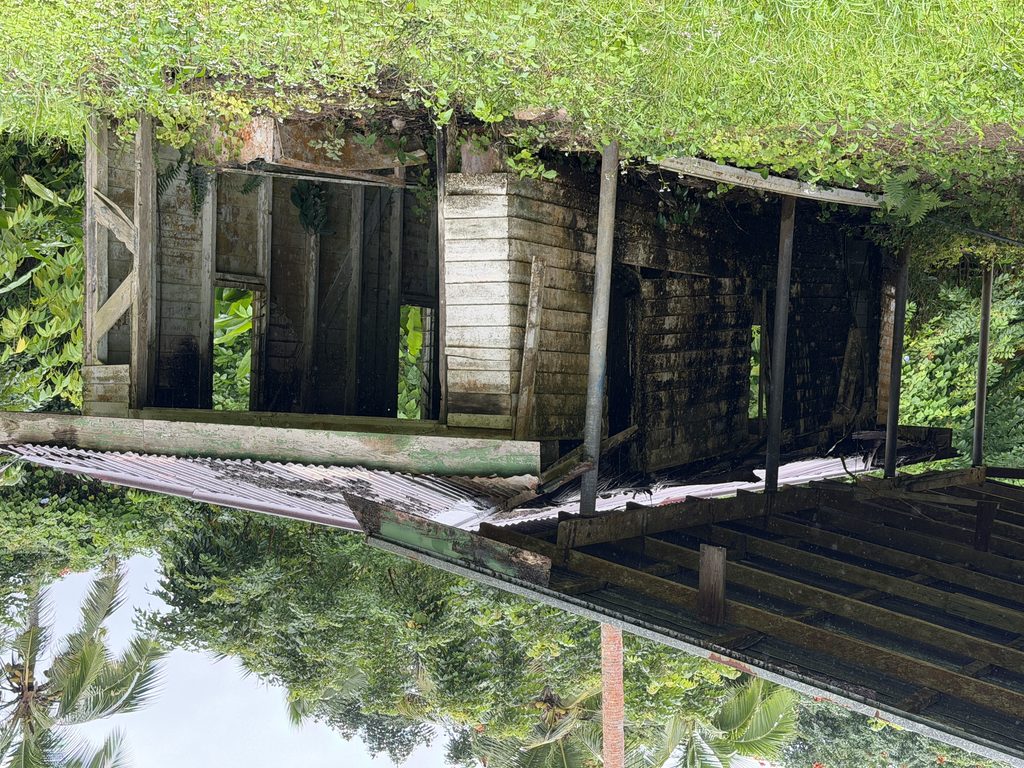
Weathered walls and peeling paint—the quiet corner of a school that time forgot.
Picture: ANA MADIGIBULI
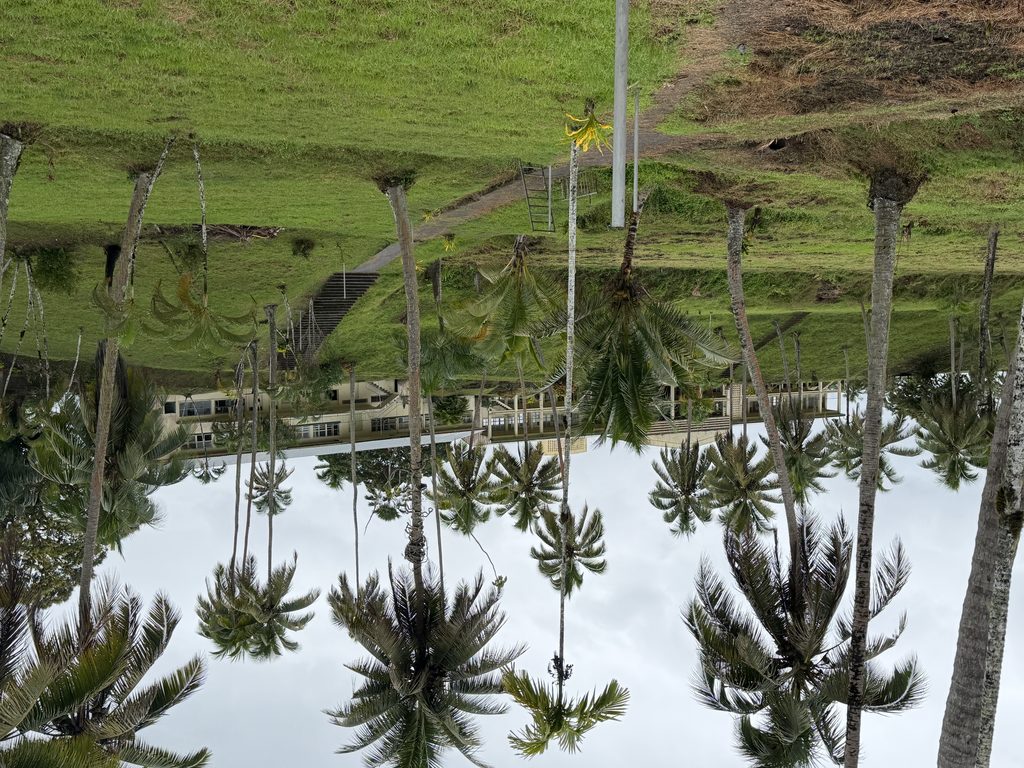
Where history meets the present on the school grounds. Picture: ANA MADIGIBULI
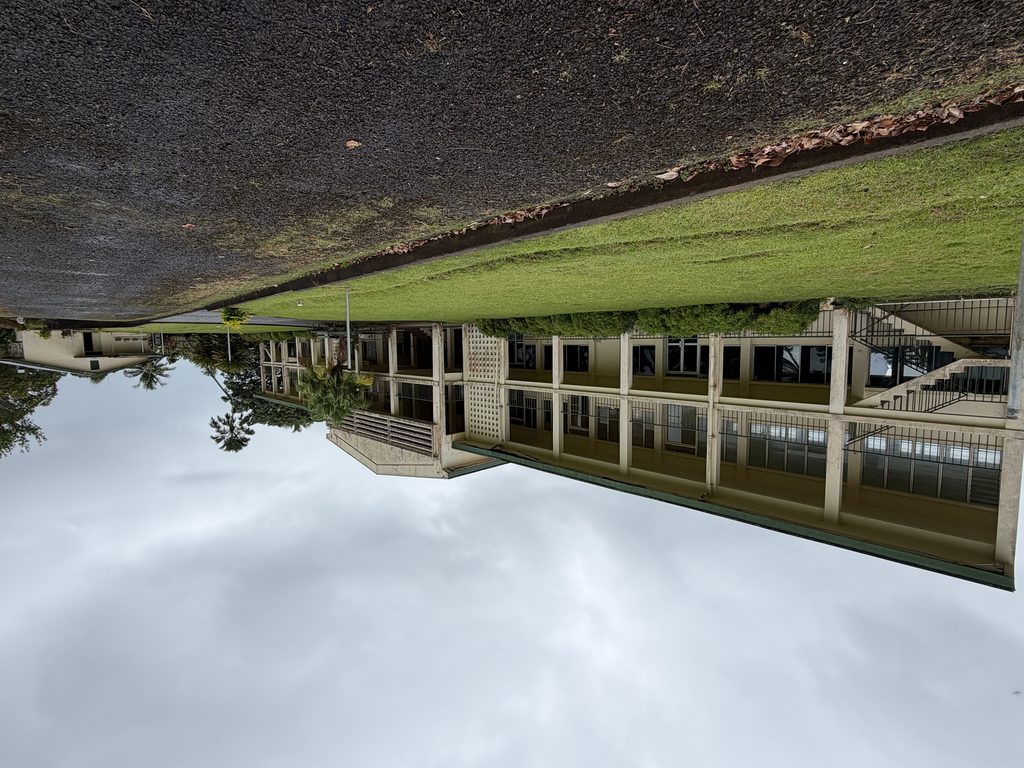
Administration facility. Picture: ANA MADIGIBULI
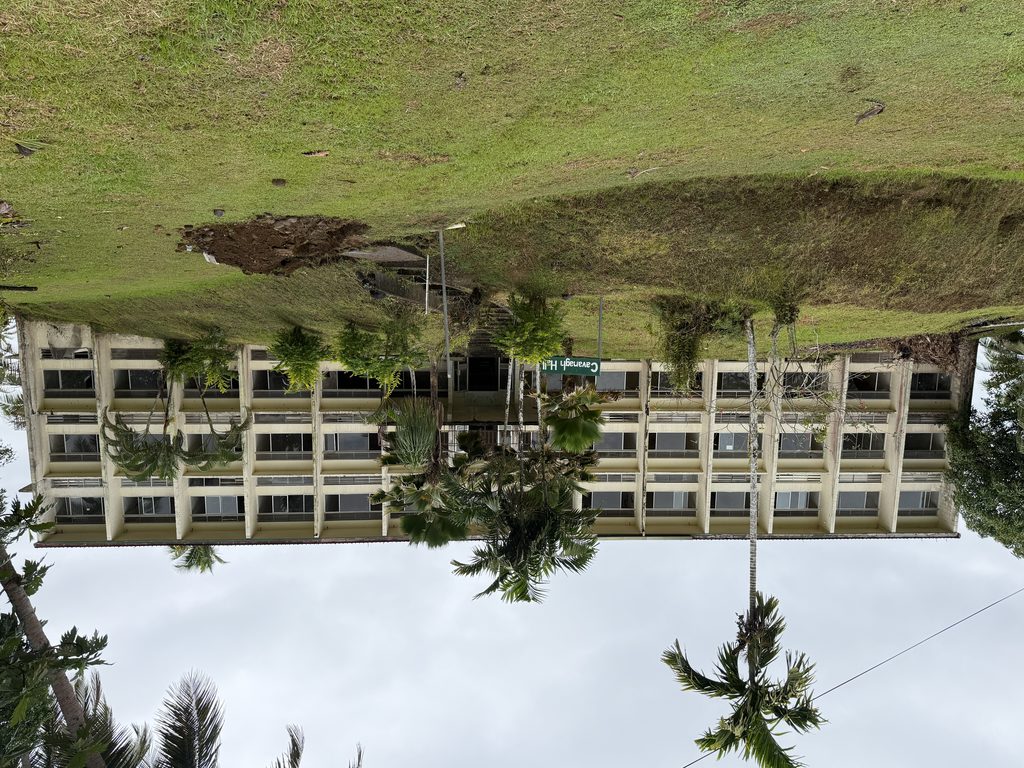
Students’ dormitory facility. Picture: ANA MADIGIBULI
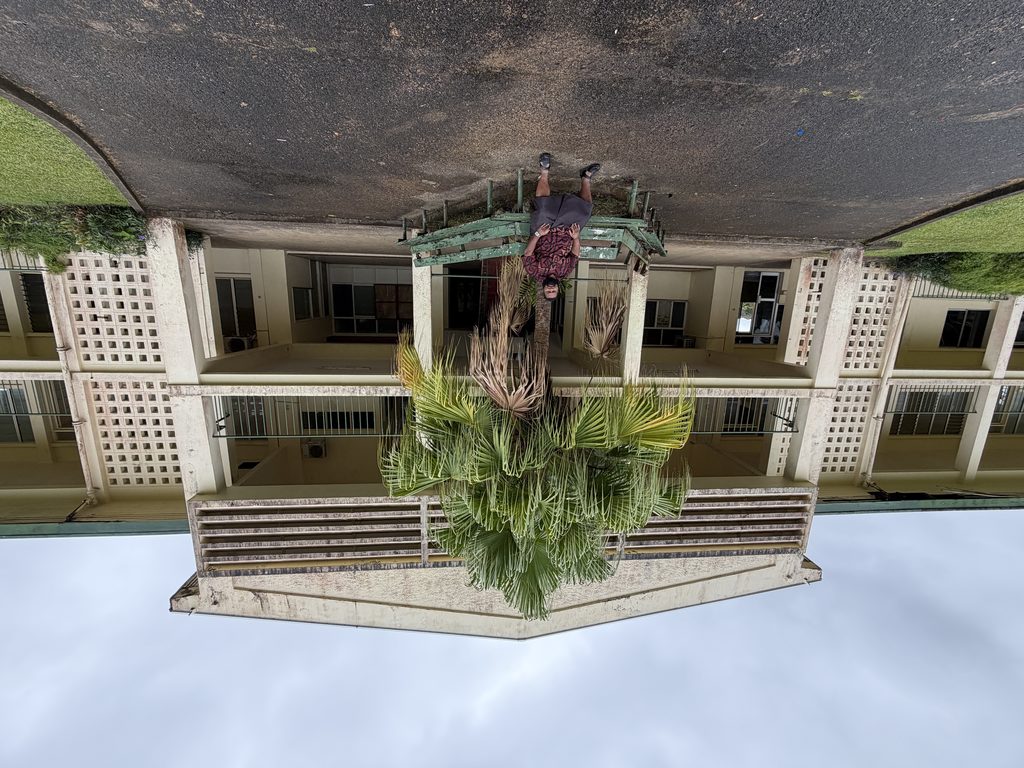
Nai iLalakai reporter, Viliame Ravai, relaxes outside what used to be the main administrative block. Picture: ANA MADIGIBULI
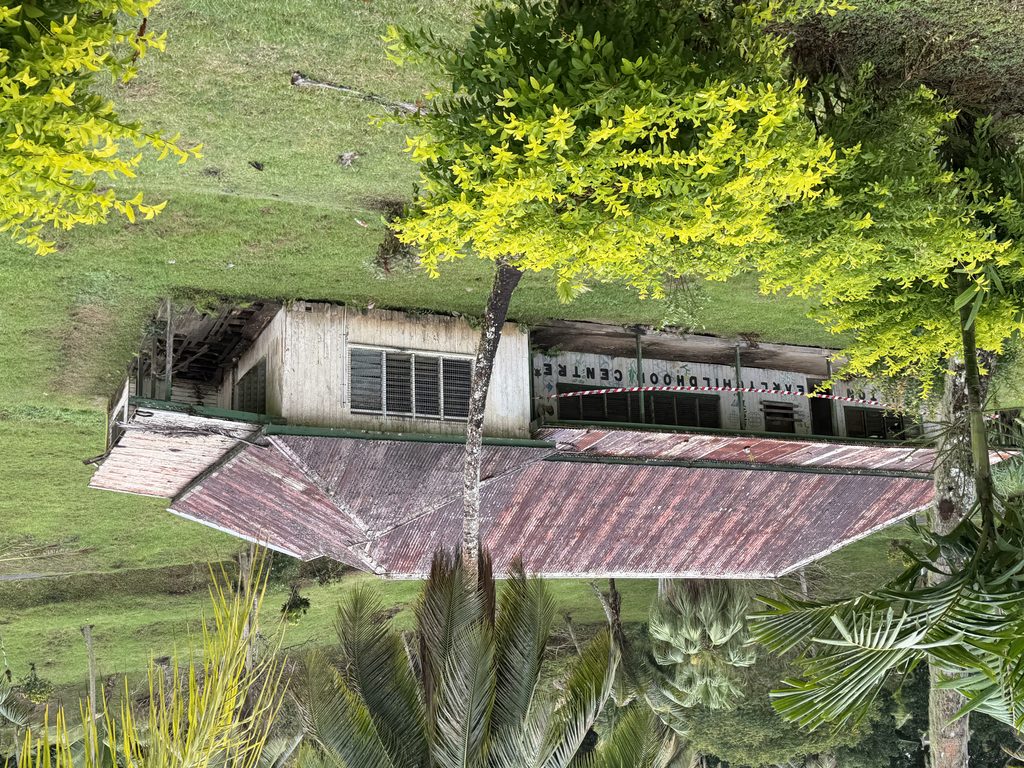
A quiet monument to years gone by, slowly surrendering to nature and age. Picture: ANA MADIGIBULI