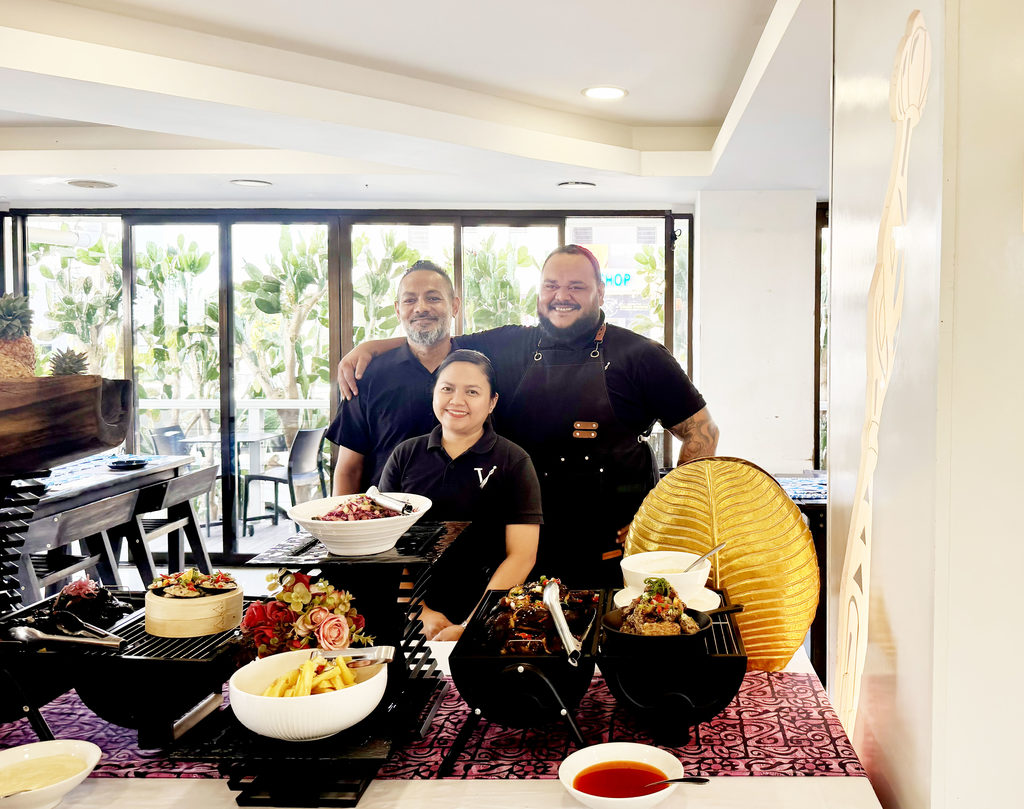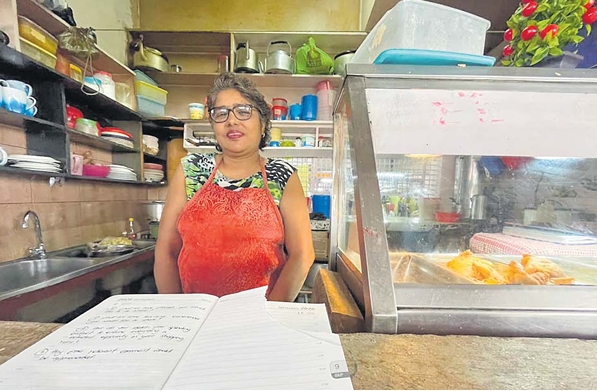
Great food and memorable entertainment have a way of bringing people together, creating experiences that linger long after the meal is over or the music fades.
Whether you’re searching for a cozy café, a family-friendly restaurant, a lively nightlife venue or the latest hotspot in town, there’s always something new to discover.
Many cultures make dining out more than just a meal.
It’s a celebration of culture, community and good company.
Fijian food is more than something you eat while on holiday.
It’s a window into island life, culture and connection.
From traditional lovo feasts cooked underground to fresh seafood enjoyed by the ocean, food in our country tells the story of the islands and the people who call them home.
If you’re dreaming of a holiday where flavours are as memorable as the scenery, exploring Fiji’s food is all part of the experience.
When you start planning your escape with My Fiji holidays, this is one taste adventure you won’t want to miss.
For broader planning tips, the Fiji travel guide is a great place to start.
What makes Fiji’s food unique
Food in Fiji reflects the country’s rich cultural mix according to MYFIJI.COM. Indigenous Fijian traditions sit alongside Indian, Chinese and European influences, creating a cuisine that’s both deeply rooted and wonderfully diverse. Meals are often shared, ingredients are fresh and local, and food plays an important role in bringing people together.
Fijian culture and traditions help explain why meals feel so communal.
Eating in Fiji isn’t rushed. It’s about connection, storytelling and celebrating the simple pleasure of good food shared with others.
Indigenous roots and island ingredients
At the heart of Fiji’s traditional foods are local ingredients grown on the islands or caught in surrounding waters.
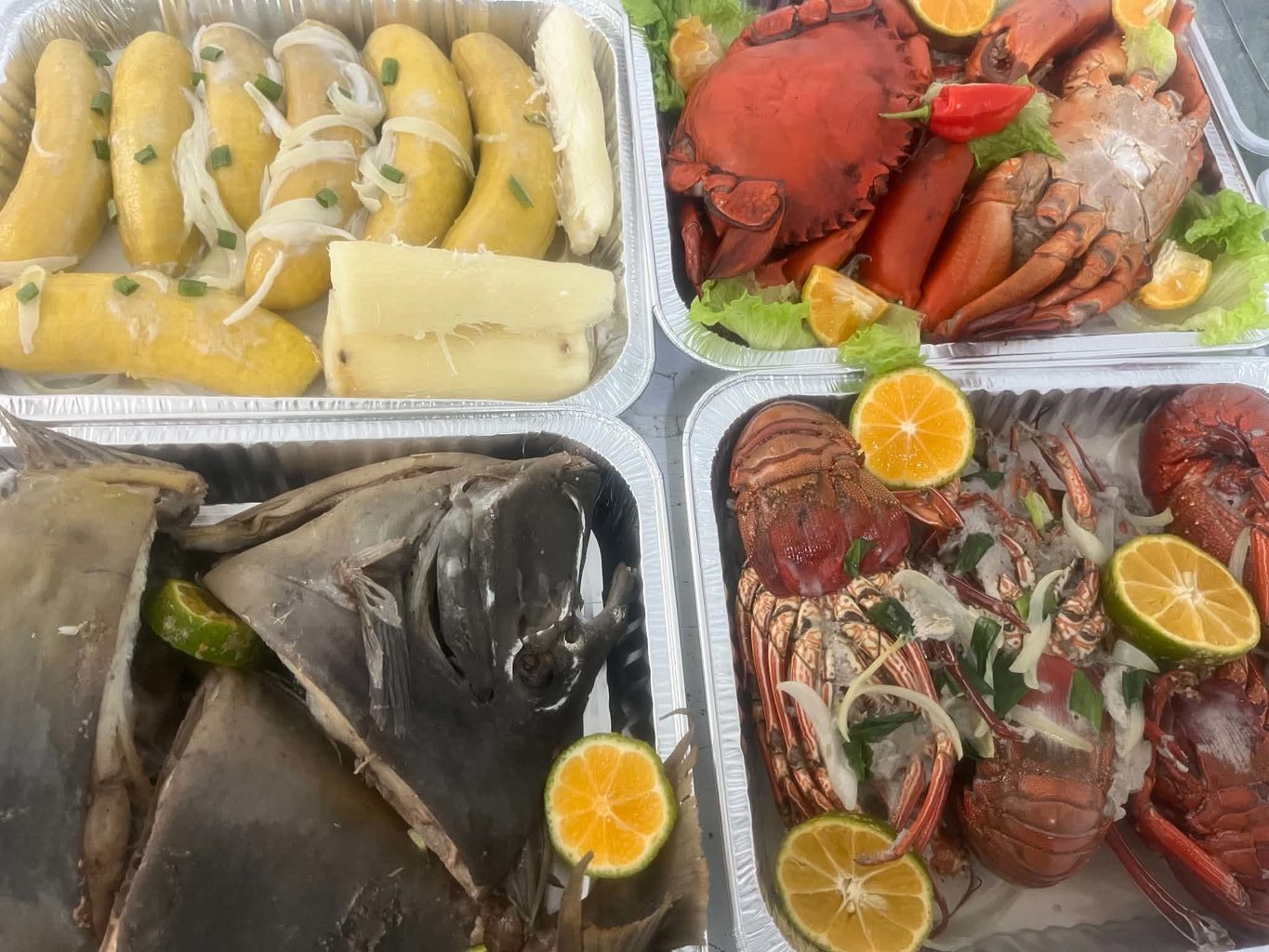
Root vegetables like tavioka and dalo, leafy greens, coconut and fresh fish form the foundation of many dishes.
One of the most iconic cooking methods is the lovo, where food is wrapped in banana leaves and cooked slowly in an underground oven.
You’ll often encounter these traditions when visiting Fijian villages, where food is prepared as it has been for generations. These meals are more than flavour.
They’re an expression of hospitality and respect.
Cultural influences on modern Fiji food
Indian cuisine has had a huge influence on food in Fiji, thanks to the country’s large Indo-Fijian population. Curries, roti and street food add spice and variety to everyday dining.
Chinese and European influences are also woven into modern menus, especially in towns and resorts. This blend of cultures means you can enjoy traditional foods of Fiji one day and international flavours the next, all while experiencing the warmth of local life in Fiji.
Traditional foods of Fiji
If you’re visiting for the first time, there are a few traditional dining experiences you’ll want to seek out.
These dishes are commonly served at resorts, cultural nights and village visits, making them easy to try during your stay.
You’ll find many of these experiences featured among the top things to do in Fiji, especially when food and culture come together.
Lovo feasts
A lovo feast is one of the most memorable food experiences in Fiji.
Meat, seafood and vegetables are wrapped in banana leaves and cooked underground for several hours, resulting in tender, smoky flavours you can’t replicate any other way.
Lovo nights are often paired with music and dance, making them a highlight of many cultural experiences in Fiji.
It’s not just a meal. It’s a celebration.
Kokoda and fresh seafood
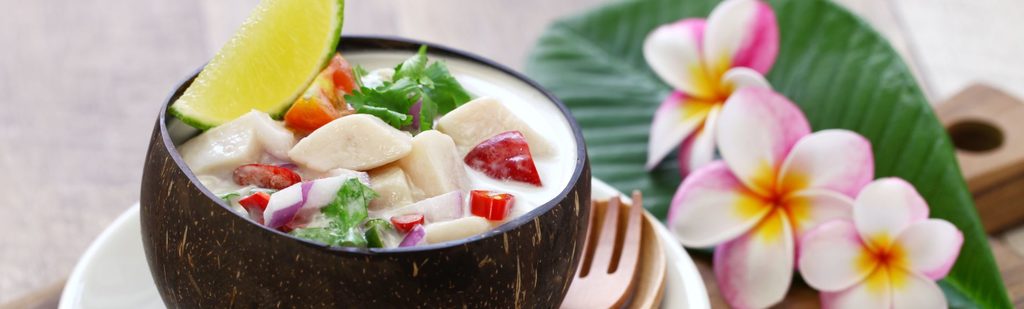
Often described as Fiji’s answer to ceviche, kokoda is a standout dish made from fresh fish marinated in citrus juice and coconut cream.
Light, refreshing and full of flavour, it’s widely considered some of the best food in Fiji.
You’ll find kokoda served across the islands, from local eateries to high-end resorts, making it a great introduction to the fresh seafood that defines many Fiji destinations.
Rourou, cassava and island staples.
Everyday meals in Fiji often feature simple, nourishing ingredients.
Rourou, made from dalo leaves cooked in coconut cream, is a common side dish, while tavioka is widely used in traditional dishes and ceremonies for its versatility, hearty flavour and ability to thrive in the island climate.
These staples appear on menus throughout the country and are a great way to experience traditional foods of Fiji beyond special occasions.
Their importance is closely tied to the history and culture in Fiji, where food has always been shaped by what the land provides.
Fiji food and drink experiences not to miss
Food in Fiji isn’t limited to what’s on your plate. Many of the most memorable moments come from the experiences surrounding food and drink, whether you’re sharing a ceremony or wandering through a local market.
These moments often feature among the most popular things to do, especially for travelers looking to connect with local culture.
Local markets and village dining
Visiting local markets is one of the best ways to immerse yourself in a variety of seasonal flavours.
You’ll find fresh produce, seafood and snacks that reflect everyday island life. Village dining experiences also give you the chance to enjoy home-style cooking while learning more about how people live.
Exploring these spots is easier when you understand getting around Fiji, especially if you’re keen to venture beyond resort areas.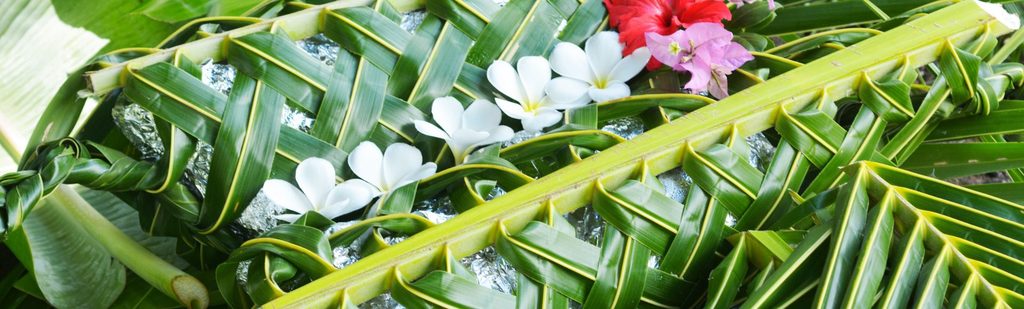
From traditional lovo feasts cooked underground to fresh seafood enjoyed by the ocean, food in Fiji tells the story of the islands and the people who call them home.

These meals are more than flavour. They’re an expression of hospitality and respect.
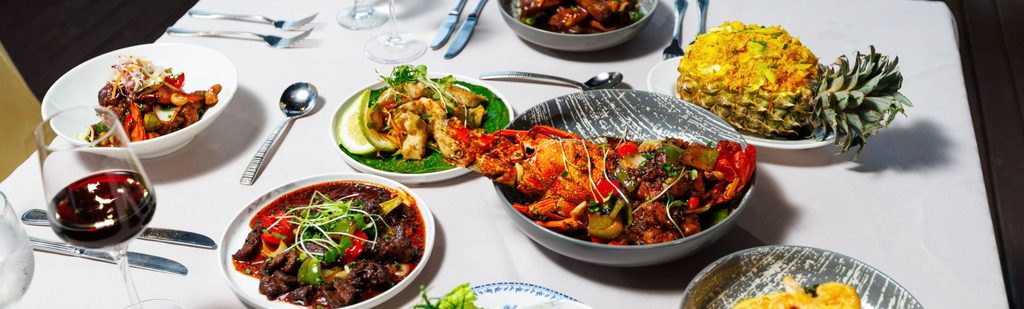
Fiji food menus often feature simple, nourishing ingredients.
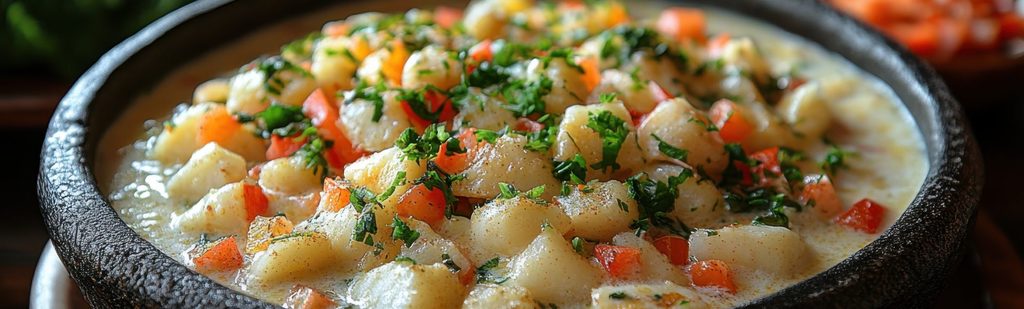
At the heart of Fiji’s traditional foods are local ingredients grown on the islands or caught in surrounding waters.