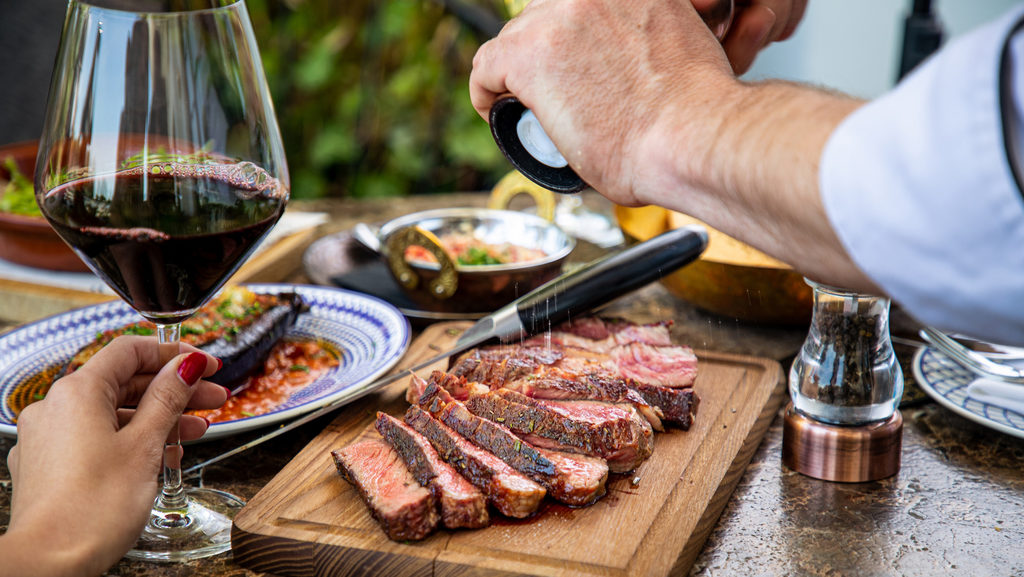
Red meat and red wine are a popular combination in many dining experiences.
Red meat, such as beef and lamb, has a rich flavour that pairs well with the taste of red wine.
Choosing the right wine can make a meal more enjoyable by bringing out the flavours of the food.
Understanding this pairing helps diners appreciate the taste and experience of their meal.
Red wine is a sophisticated and complex beverage that can elevate the flavours of various meats, creating a truly unforgettable culinary experience.
With so many types of red wine and meats to choose from, it can be overwhelming to decide which combinations work best.
The pairing of red wine and red meat is a classic for a reason.
It’s a culinary marriage celebrated across cultures and generations.
But what is it about this combination that makes it so appealing? Is it simply tradition, or is there a deeper, more scientific explanation for their harmonious relationship?
The answer, as you might suspect, lies in a fascinating interplay of flavours, textures, and chemical compounds.
The Science of Taste: A foundation for pairing
Understanding why red wine and red meat work so well together begins with understanding the science of taste.
Our tongues are equipped with taste receptors that detect five basic tastes: sweet, sour, salty, bitter, and umami (savory). When we eat, these receptors send signals to the brain, which interprets them as distinct flavours. However, flavour is more than just taste. It also involves aroma, texture, and even visual appeal.
Red meat, typically rich in umami and savory flavours, provides a hearty and often fatty base.
These fats coat the mouth, creating a sensation of richness.
On the other hand, red wine, especially those with significant tannins, often presents a dry, sometimes astringent quality.
The magic happens when these elements interact.
Matching Wine to Meat: Considering cut and preparation
While the general principle of red wine and red meat pairing holds true, the specific type of wine you choose should depend on the cut of meat and how it’s prepared. Lighter-bodied red wines pair well with leaner cuts, while fuller-bodied wines are better suited for richer, fattier cuts.
The influence of cooking methods
The way the meat is cooked also influences the wine pairing.
Grilled or roasted meats often have a smoky, charred flavour that pairs well with wines that have earthy or smoky notes, such as Cabernet Franc or Rioja.
Braised meats, which are cooked slowly in liquid, tend to be more tender and have a richer, more concentrated flavour.
These meats pair well with wines that have a similar richness and depth, such as Merlot or Chianti Classico.
A memorable dining experience is about more than what is served on the plate; it is about enjoying the flavours, appreciating the quality of the food and making every meal worthwhile.
Red meat and red wine have long been recognised as a classic pairing, bringing together rich tastes and complementary flavours.
Whether dining at a restaurant or enjoying a meal at home, understanding how food and flavours work together can make the experience more enjoyable.
Ultimately, good dining is about savouring each bite, appreciating good food and creating moments worth remembering.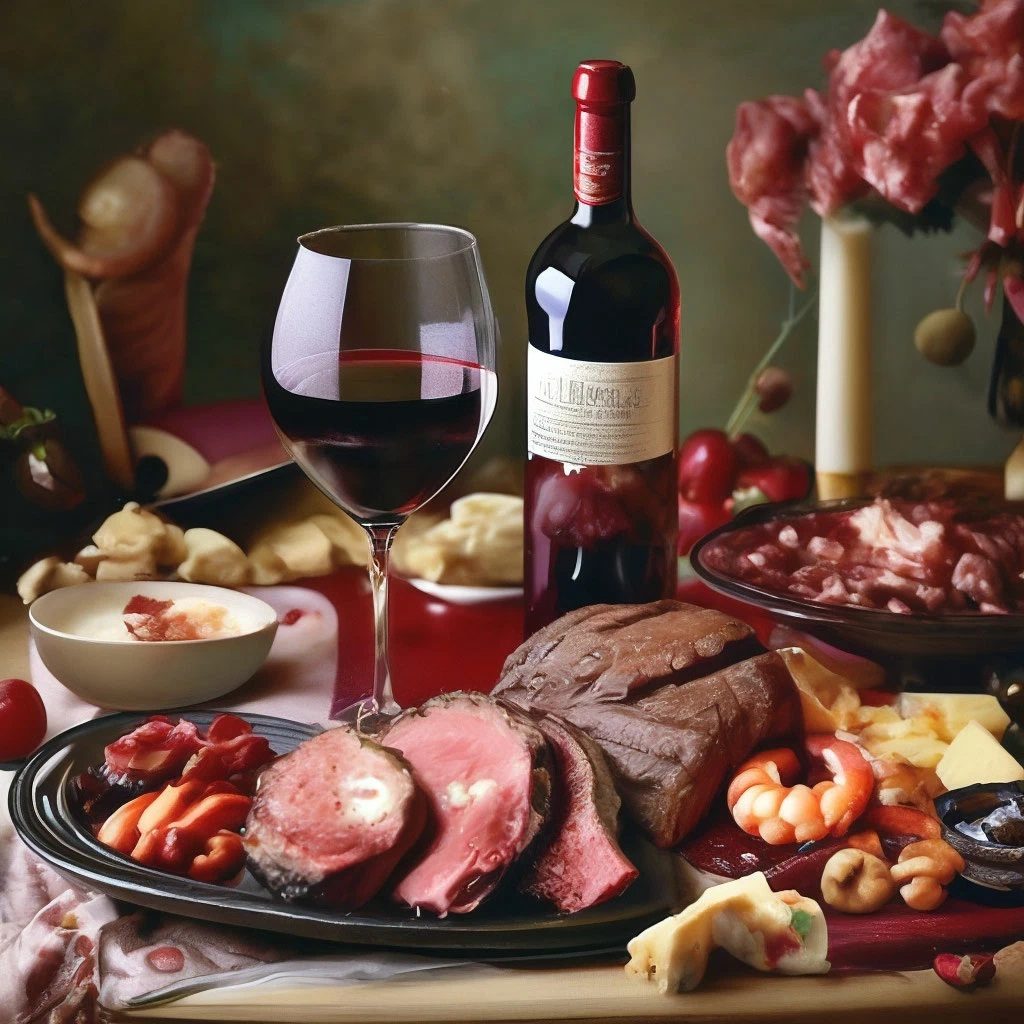
Left: Pairing red meat and red wine.
Picture: WWW.BING.COM

Dining and toasting glasses.
Picture: WWW.ISTOCKPHOTO.COM
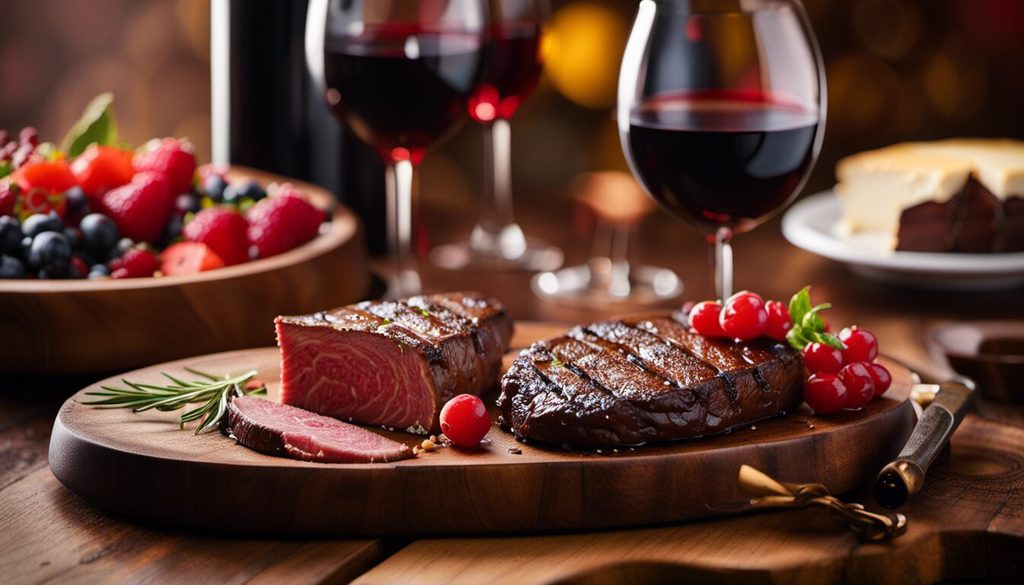
Right: Grilled or roasted meats often have a smoky, charred flavour that pairs well with wines that have earthy or smoky notes, such as Cabernet Franc or Rioja. Picture: WWW.CULLERWINES.COM