
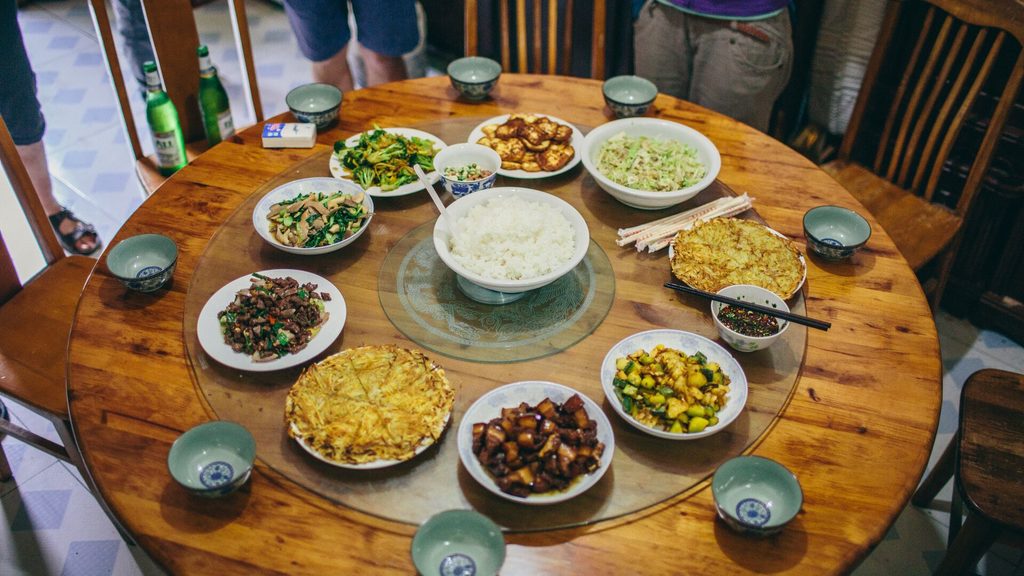
Food has a wonderful way of bringing people together.
Whether it’s a Sunday lovo with the family, a quick fish and chips by the seaside or a feast shared with complete strangers while travelling, every meal tells a story.
But while flavours may be universal, table manners certainly aren’t.
One of the best parts of travelling is stepping outside your comfort zone and trying something you’ve never eaten before.
Yet, as exciting as it is to sample local dishes, it’s just as important to understand the customs that come with them.
A simple habit you barely think about at home like using the wrong hand to eat, ordering the wrong coffee or placing your chopsticks the wrong way could leave you with a few puzzled looks or, unintentionally offend your hosts.
The beauty of browsing though the internet or travel is that it teaches us to see the world through someone else’s eyes.
Every culture has its own traditions and respecting them is part of the adventure. So, before you pull up a chair at your next overseas restaurant, it pays to know a little about what’s expected at the table. Here are a few fascinating dining customs from around the world that every traveller should know before digging in.
There’s always something special about sitting down to a meal in a foreign country. Whether it’s enjoying handmade pasta in a family-run trattoria in Italy, sharing aromatic curries in India or tucking into a steaming bowl of ramen in Japan, food has a remarkable way of bringing people together.
It tells the story of a country’s history, traditions and way of life. For many Fijians, sharing food is also at the heart of our culture. We gather around a lovo, pass dishes around the table, offer visitors the best portions and encourage everyone to “mai kana mada”.
Hospitality comes naturally to us. But just as Fiji has its own customs, every country has traditions that diners are expected to respect.
Something as simple as holding your cutlery the wrong way, ordering the wrong drink or using the wrong hand could unintentionally offend your hosts.
If you’re planning your next holiday, taking a few minutes to learn local dining etiquette could save you from an awkward moment and help you experience a destination the way locals do. Here are a few fascinating dining customs from around the world. India:
The right hand only
In many parts of India, eating with your hands according to www.intrepidtravel.com isn’t just accepted, it’s the traditional way to enjoy a meal.
Many locals believe food tastes better when it’s eaten by hand because it creates a closer connection with the meal. There’s one important rule, however. Always use your right hand.
The left hand is traditionally reserved for personal hygiene and is considered unclean for eating.
Even if you’re naturally left-handed, it’s polite to eat with your right hand, particularly in smaller towns and rural communities where traditions remain strong.
Italy: Cappuccino belongs at breakfast If you’re craving a cappuccino after lunch, you may receive a puzzled look from your waiter.
Italians generally enjoy milk-based coffee only in the morning, believing milk is too heavy to drink after meals. Instead, locals usually order a quick shot of espresso for an afternoon pick-me-up. Another common mistake visitors make is asking simply for a “latte”. In Italy, that means a glass of milk. If you want coffee with milk, ask for a “caffè latte”.
Italy: Respect the pasta
Pasta is serious business in Italy. Cutting spaghetti or tagliatelle with a knife is considered unnecessary and even disrespectful by many Italians.
Instead, twirl long strands around your fork and take your time enjoying each mouthful.
The same goes for cooking. Breaking dried spaghetti before placing it into boiling water is something many Italians simply refuse to do.
China: A burp can be a compliment Around most dinner tables in Fiji, a burp would probably earn you a few laughs or an apologetic excuse.
In parts of China, however, a gentle burp can be interpreted as a sign that you’ve thoroughly enjoyed the meal and appreciate the chef’s efforts.
While visitors aren’t expected to burp, it’s worth remembering that customs differ from country to country.
Japan: Slurping is encouraged
Many of us grew up hearing, “Don’t slurp your food.”
In Japan, it’s a different story. When eating ramen or other noodle dishes, slurping is perfectly acceptable and is often seen as a compliment to the cook.
It signals that you’re enjoying your meal. Just don’t assume the rule applies everywhere. Slurping other foods or making excessive noise while eating outside noodle restaurants is still considered impolite.
Japan: Never leave chopsticks standing in rice
One of the biggest dining mistakes visitors make in Japan is leaving chopsticks standing upright in a bowl of rice.
The practice resembles a ritual performed during funerals and is closely associated with death and mourning. Instead, place your chopsticks neatly across your bowl or on the chopstick rest provided. It’s a small gesture that shows respect for local customs.
United States: Tipping matters
Dining out in the United States is quite different from many other countries because tipping is considered part of the cost of the meal.
Restaurant staff often depend on tips as a major part of their income. Leaving 15 to 20 per cent of the total bill is generally expected unless a gratuity has already been added.
If you’re ordering drinks at a bar, it’s also customary to tip around US$1 for each drink served.
Ethiopia: Eat with your hands, but don’t lick your fingers
Like India, many traditional Ethiopian meals are enjoyed using the hands. Food is served on a large, soft flatbread known as injera, which doubles as both plate and utensil.
Diners tear off pieces of the bread to scoop up delicious stews, vegetables and curries. While meals can become delightfully messy, resist the temptation to lick your fingers.
It’s considered bad manners. Wait until you’ve finished eating and can wash your hands.
More than just table manners
Dining etiquette isn’t about following a long list of complicated rules. It’s about respecting the people, traditions and cultures that make every destination unique. Travelling gives us the opportunity to experience the world through its food.
By taking time to understand local customs, we not only avoid embarrassing cultural misunderstandings but also create more meaningful connections with the people we meet along the way.
After all, good food is a universal language, but good manners speak volumes wherever you travel.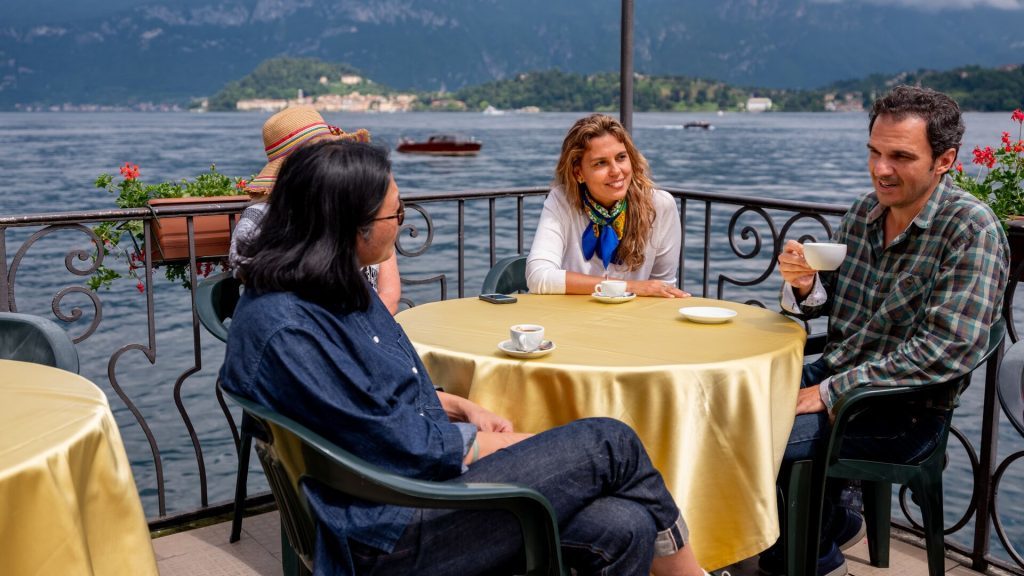
Something as simple as holding your cutlery the wrong way, ordering the wrong drink or using the wrong hand could
unintentionally offend your hosts.

Build your meals around ingredients you already have and write a shopping list based on what you genuinely need.
Shopping with a plan also reduces food waste, which is like throwing money straight into the rubbish bin. Picture: FT FILE

