The Taiwan Technical Mission’s (TTM) Centre for Agricultural Transfer in Nausori is prioritising comprehensive environmental data collection to evaluate the exact needs of local farmers and implement tailored irrigation solutions ahead of a prolonged El Niño dry season.
TTM specialist Edward Chen said building a robust, long-term database was crucial for navigating modern weather variability, moving local agricultural practices away from a reliance on undocumented personal experience toward measurable, shared knowledge.
“Every year the weather is changing, and we need to know how to survive in those different conditions, especially for farmers,” Mr Chen said in an interview, noting recent warnings the forecast dry season would last longer than in previous years.
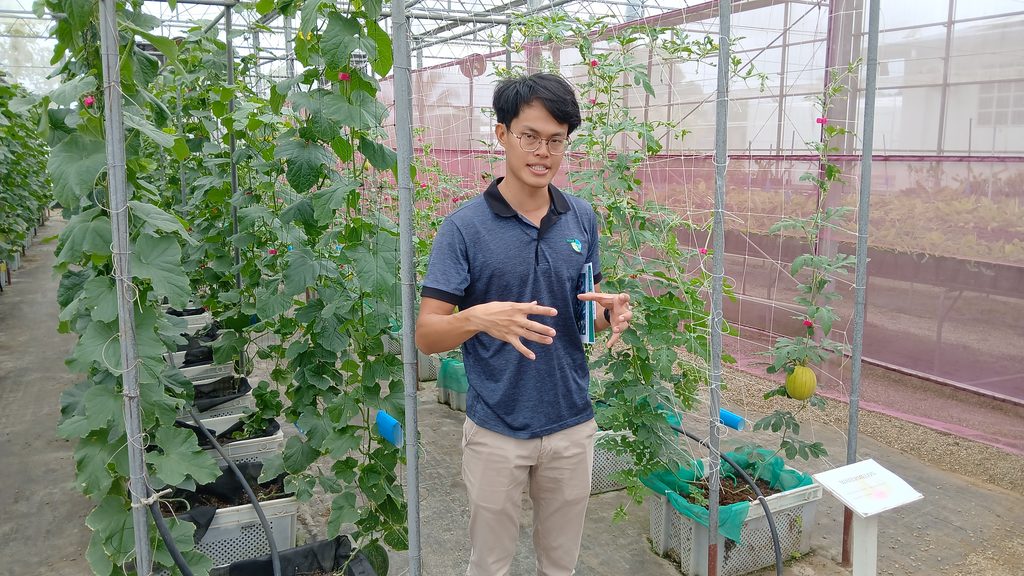
He said this was the reason TTM launched the Resilient Cultivation project, focused on building climate resilience for the farmers themselves by teaching them to work smartly according to weather forecasts, localised environmental data, and structured sharing.
“While we are training farmers on smart irrigation systems, we are also collecting some of the data of the environment. Do we have the right temperature, do we have light, is the light too much or too less, so we collect these data in detail,” Mr Chen said.
To achieve this, he said they were systematically tracking critical climate parameters at the demonstration farm, including temperature, light intensity, and soil moisture.
Mr Chen said short-term data could not reliably predict future cycles, making a permanent database essential to ensure valuable farming insights were documented rather than lost when they only live in an individual’s brain.
A central pillar of this project is the introduction of smart irrigation.
He said in Taiwan, functional irrigation was a universal standard for every single farmer, while many farmers in Fiji operated without irrigation or even a water tank.
He said modern irrigation involved a lot of environmental monitoring rather than simply applying water.
“We also need to observe. Even in our farm here in Nausori, sometimes it rains, but the humidity in the soil is actually not enough. So we have more technical and modern way to monitor it, and then we can decide further action from the data, and that is how the (smart) irrigation system works.”
Mr Chen said by analysing this data to decide exactly when and how to irrigate, farmers could stabilise vegetable production across both the dry and rainy seasons.
He said this technological shift allowed local farmers to cultivate a wide variety of vegetables year-round, moving past the limited options like Chinese cabbage and beans usually available during difficult weather phases. He added ultimately, the collected data would inform precise assistance and infrastructure required to help farmers find their way forward.