DEEP in the forests surrounding Vatubalavu Village in the Noikoro district of Navosa, turmeric grows in abundance, offering villagers a source of income that continues long after other crops have passed their harvest season.
What began almost seven years ago has become part of village life there, with families and young people venturing into the forest to gather the valuable spice and bring it back to the village.
Unlike many crops that require planting, soil preparation and replanting, much of the turmeric found around Vatubalavu grows naturally in the wild.
Former village headman of Vatubalavu and former district representative of Noikoro in Navosa, Seveci Lumelume said the abundance of turmeric had created an important opportunity for the community.
“We didn’t plant it; turmeric grows wildly out there so we are fortunate to have a high value spice growing naturally in our backyard,” he said.
A year-round harvest
The Ministry of Agriculture says turmeric is one of Fiji’s most promising high-value spice crops and has become an important export commodity with significant economic potential.
Harvesting in Fiji primarily involves gathering wild or organically grown rhizomes by hand from interior regions, supplying an export market that values the spice for its high curcumin content.
Turmeric is a perennial plant with a short stem and tufted leaves.
It originated in India and Southeast Asia and belongs to the curcuma botanical group, part of the ginger family zingiberaceae.
In Fiji, the main production areas are Tailevu and Rewa, while much of the turmeric found growing in the wild is in Vanua Levu and parts of Ra, Nadroga and Navosa.
In Vatubalavu, the harvest does not follow the strict seasonal pattern of many agricultural crops.
“Harvesting turmeric in Vatubalavu is from December to December, it doesn’t have an end of harvesting period – it’s year-round because it grows abundantly up here,” Mr Lumelume said.
The villagers began gathering the turmeric when demand for the spice increased.
Since then, it has become another source of income alongside yaqona and root crops which generally takes longer to harvest.
The plant’s ability to regrow also makes it particularly useful for families who depend on what the land provides.
“It’s not like other crops which require replanting and soil preparation, most of the turmeric that is harvested regrows again,” he said.
From forest to village
Harvesting turmeric is physical work, but the abundance of the crop means a large sack can be filled relatively quickly.
Some harvesting areas are about 2km from the village. Others are 6km away, while some are more than 10km from home.
Villagers remove the plant and collect the turmeric rhizomes, selecting the good ones before filling their sacks.
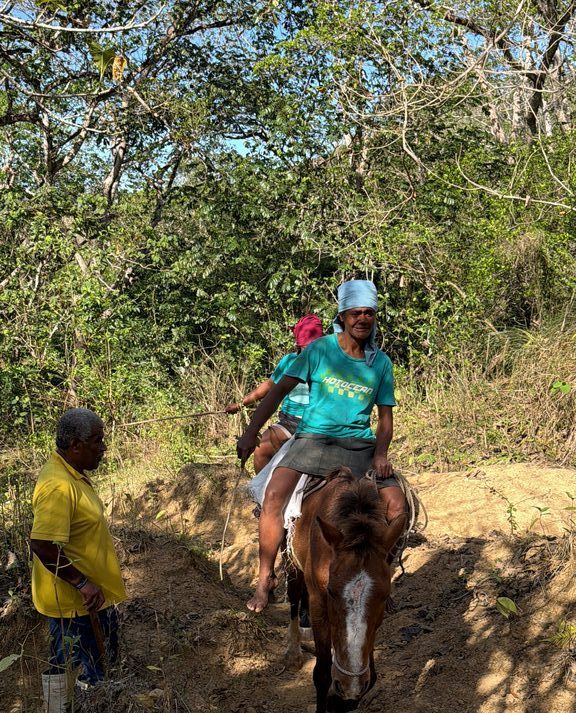
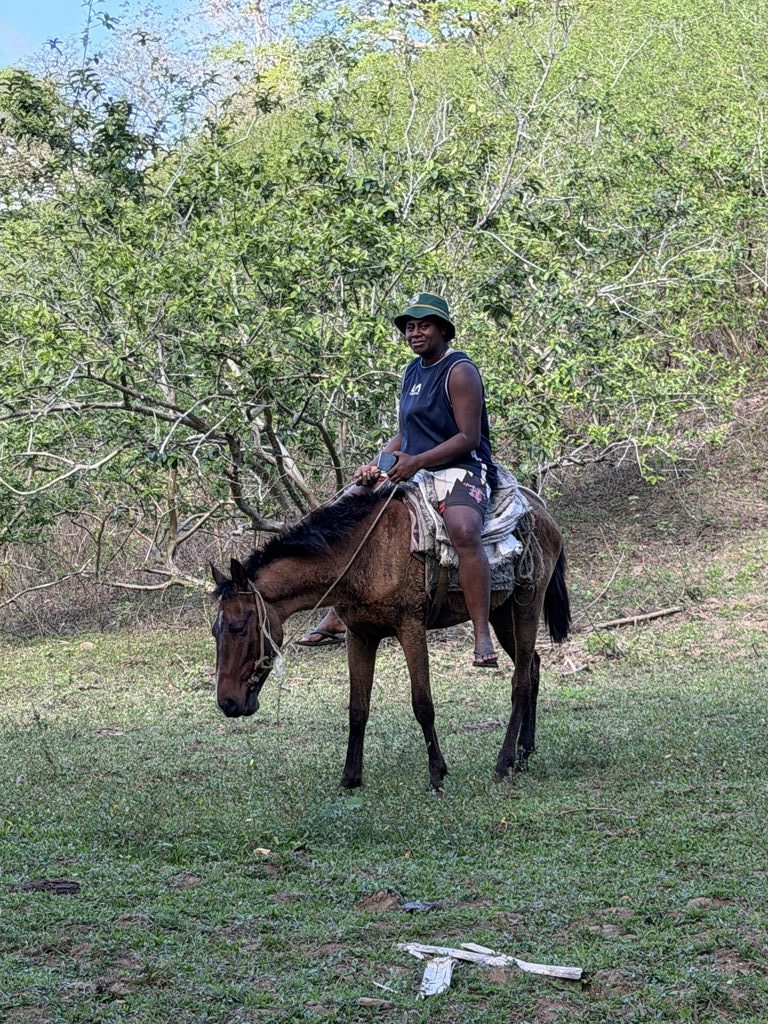
The journey back can involve a horse carrying the harvest from the forest to the village or to a river, where the turmeric can be washed.
Vehicles are also used where possible.
“Sometimes we go by vehicles to other areas away from the village. We can travel for about 8km to go to the spot to harvest the turmeric. That is easy because there is a vehicle – s0 it makes the work easy,” he said.
The distances involved mean harvesting is not simply a matter of finding the nearest patch of turmeric.
Villagers must travel into the forest, gather enough to fill their sacks and then transport the harvest back.
Yet the effort can provide a relatively quick return.
“Sometimes villagers can collect a bag of turmeric it can come up to $70 or $80 – that’s if it’s a big bag like the mill mix sack or the big flour sack,” he said.
Mr Lumelume said a large bag could be filled in about half an hour because turmeric was so plentiful.
“If there are two people filling a bag it takes lesser time to fill.”
Income when other crops are quiet
The harvest has become particularly important when other agricultural activities slow down.
“When it’s off-season for vegetables or root crops, turmeric harvesting continues here. It has become a vital source of income for youths and families in the village,” he said.
The opportunity also extends to children, who sometimes join their families in the forest during weekends and school holidays.
“Here even children go out to harvest turmeric,” he said.
The money earned can help families meet the costs associated with school, while also contributing to other household and community responsibilities.
Mr Lumelume said the income has helped families and supported village and church obligations.
A market beyond Navosa
Vatubalavu is not the only village in the highlands where turmeric harvesting has become part of the local economy.
“Most villages here in the highlands are relying on it,” he said.
There are currently three buyers who travel from Nadi to the village to purchase turmeric.
Another company, located near the Nacocolevu Research Station also buys their spice.
The Nadi buyers make the journey directly to Vatubalavu, giving villagers a market closer to home.
For those who sell to the company near Nacocolevu, transport costs are shared, with the company paying half and the villager covering the other half.
The Ministry of Agriculture notes that turmeric provides opportunities for smallholder farmers, women and youth, while contributing to rural livelihoods.
That description is reflected in Vatubalavu, where the wild crop has become an additional source of income for families who continue to depend on agriculture.
The price remains a concern
Despite the abundance of turmeric, Mr Lumelume said villagers would like to see a change in the price they receive.
“At the moment the price is $1.30 a kg,” he said.
Freshly dug, jungle-harvested turmeric sold by villagers to bulk buyers or exporters can range from $1 to $1.30 a kilogram.
For the villagers, the concern is not simply the price itself but the need for a stable return.
“Something we would like changed is the price of turmeric. There hasn’t been a lot of changes since we started harvesting,” he said.
“What we need is for the price to increase and to also remain the same without fluctuating because it doesn’t get affected by weather or go off-season.”
For Vatubalavu, turmeric is more than a crop growing beneath the forest canopy, it is a natural resource that has found its way into the village economy, helping families bridge the gaps between other harvests.
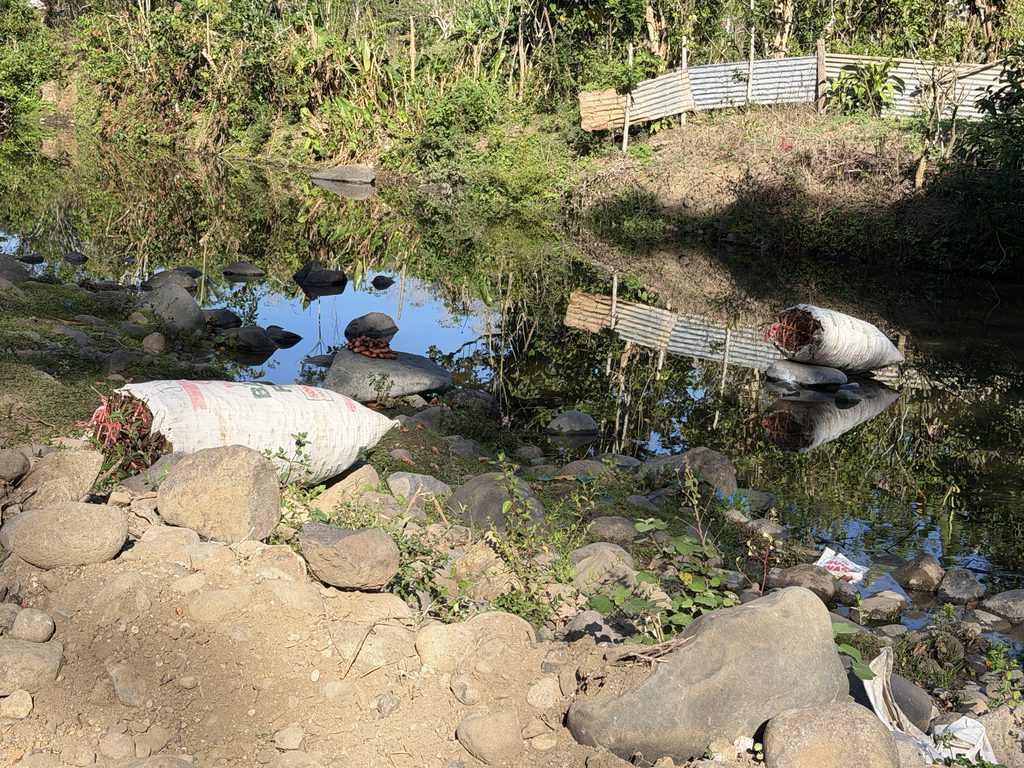
Turmeric once harvested are then brought to the river or stream to be washed. Picture: ANA MADIGIBULI
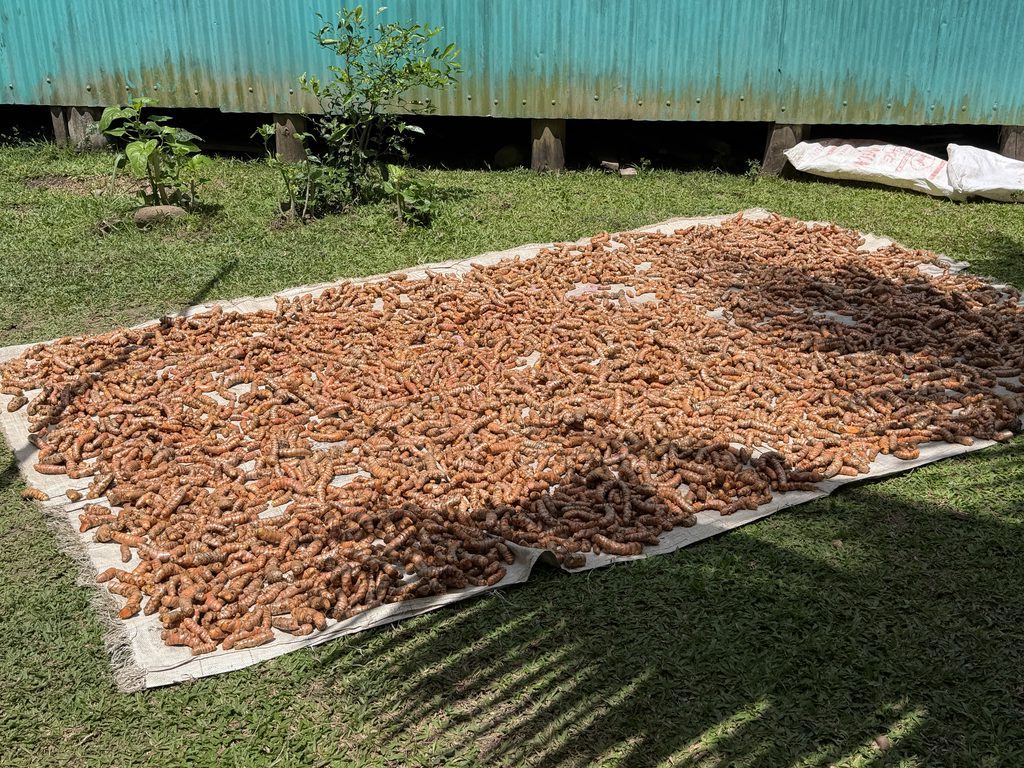
Picture: ANA MADIGIBULI
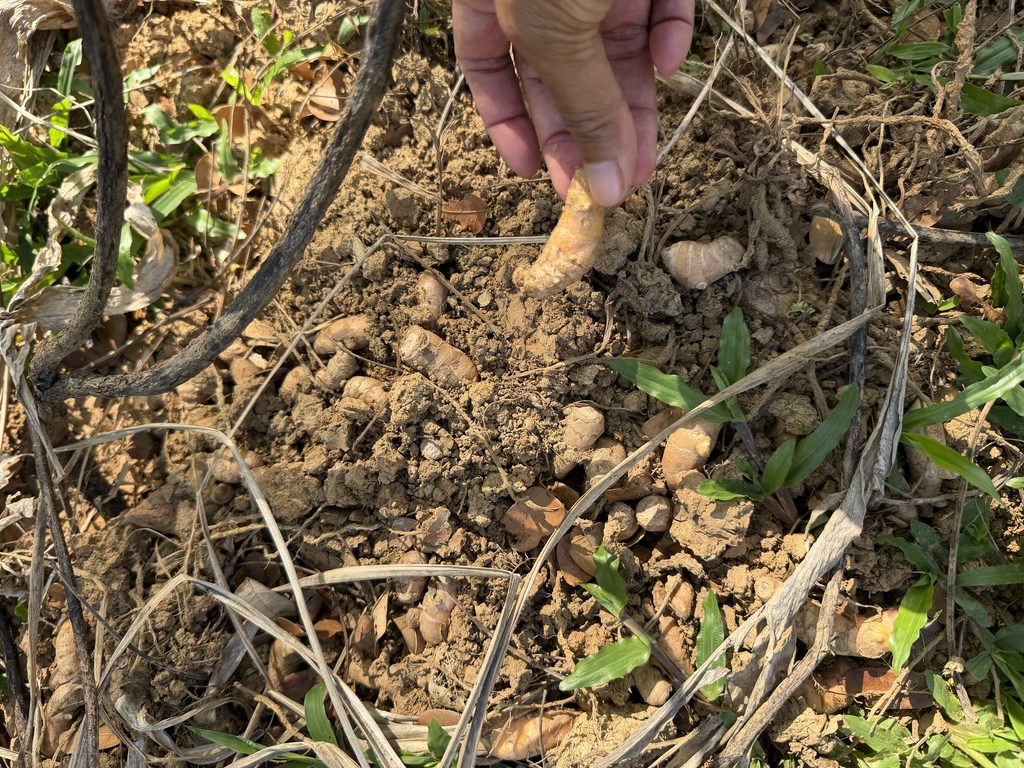
Leftover turmeric can be found on the surface in the forest after a harvest.
Picture: ANA MADIGIBULI
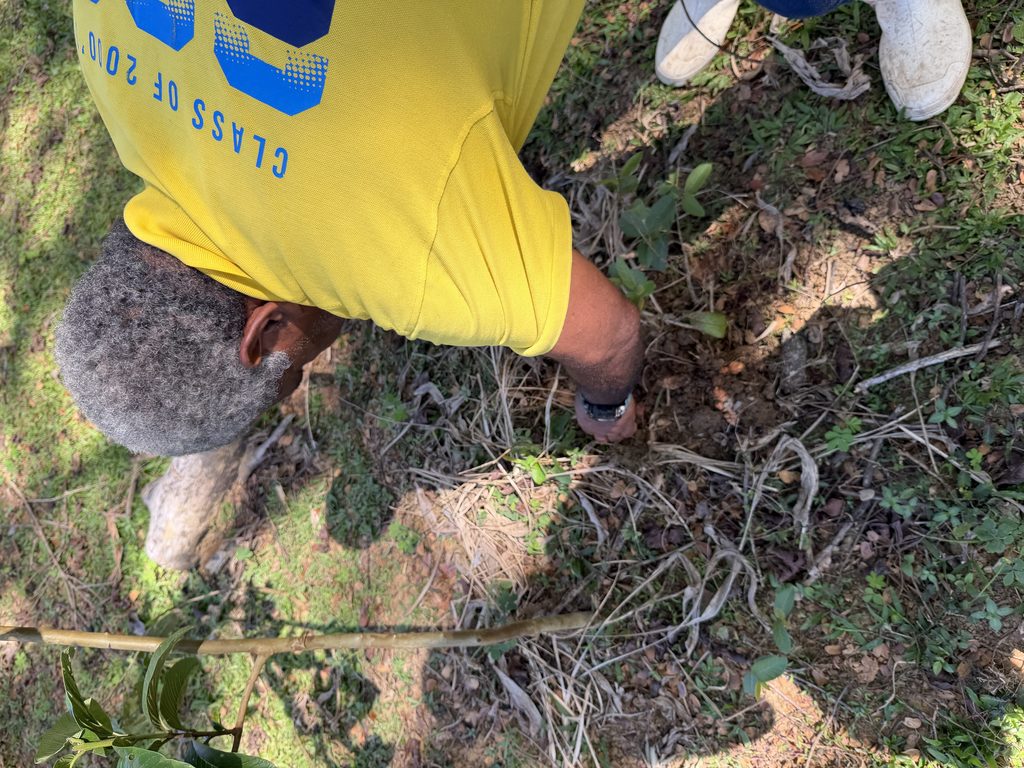
Seveci Lumelume tries to dig up a turmeric plant.
Picture: ANA MADIGIBULI
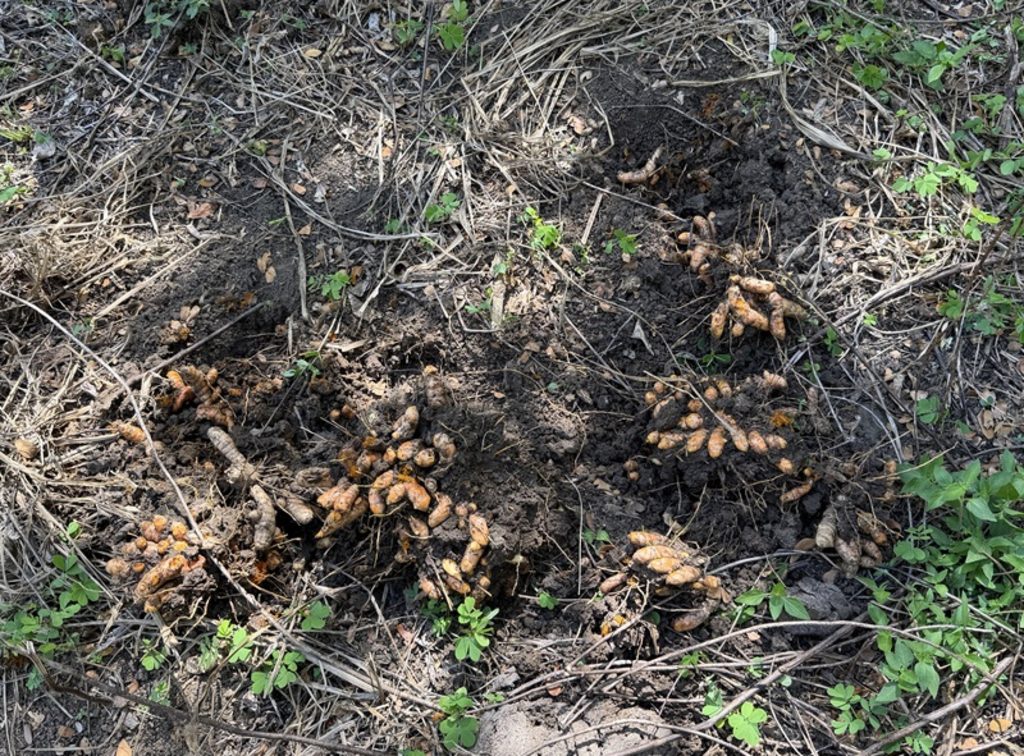
Wild turmeric grows abundantly in the jungle at Vatubalavu, Noikoro in Navosa. Picture: ANA MADIGIBULI
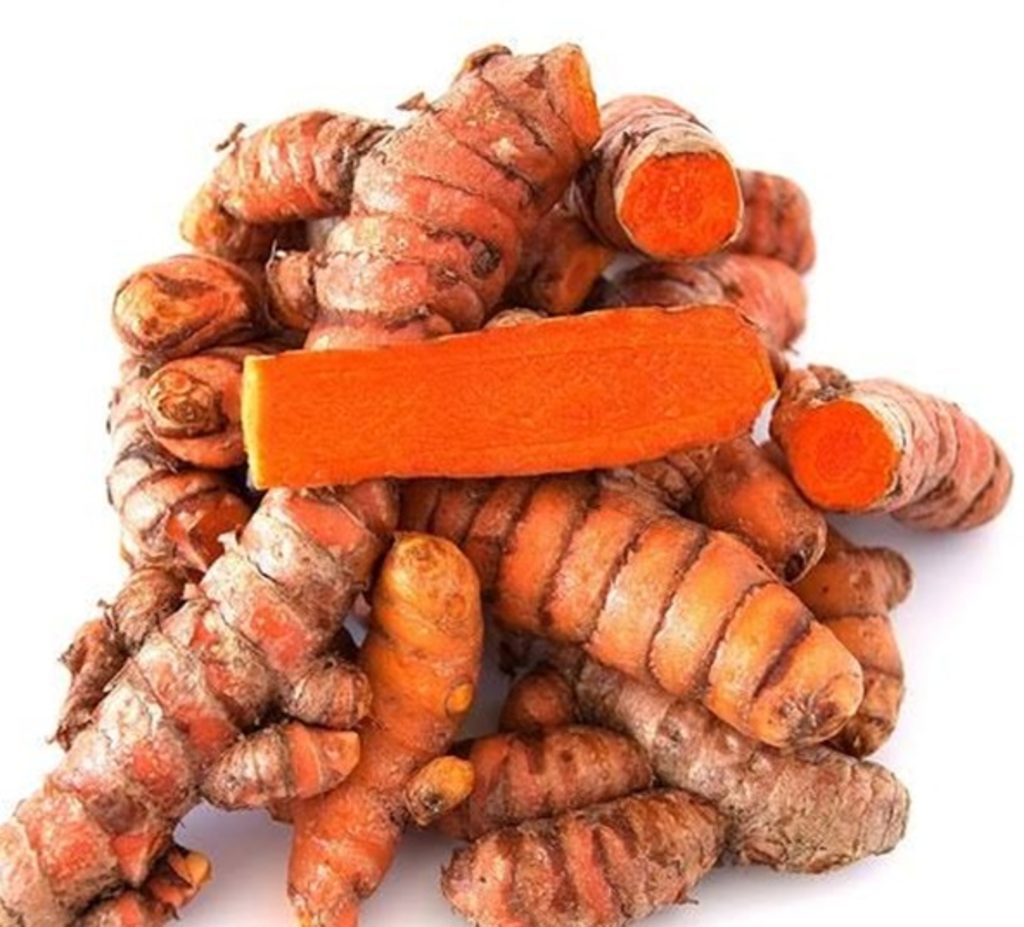
Turmeric is one of Fiji’s most promising high-value spice crops and has become an important export commodity with significant economic potential. Picture: ETSY