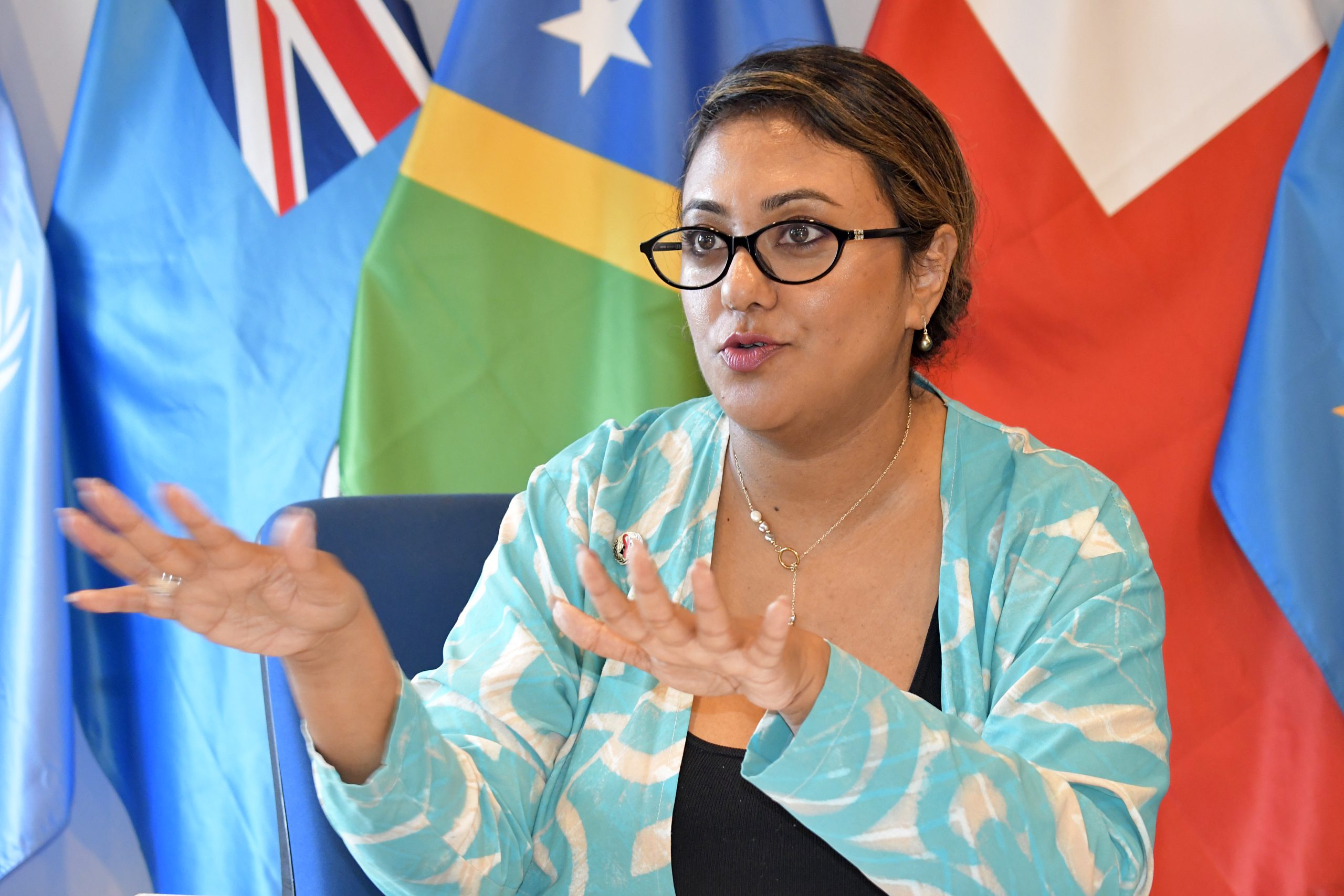
A needle and syringe exchange programme could provide an opportunity to intervene before people who inject drugs reach a crisis requiring mental-health or institutional care, says UNAIDS HIV adviser Renata Ram.
Ms Ram said early intervention could help connect people with support before their circumstances deteriorated to the point where institutional services became their main avenue of care.
She said many people experiencing drug dependency could not stop immediately and needed pathways into counselling, mental-health services and rehabilitation.
“There’s a lot of emphasis being given to rehabilitation centres, but how will you get people in there?” Ms Ram said.
She said the programme should be viewed as a public health measure, like the condom, aimed at preventing HIV and other blood-borne infections, rather than as an incentive for people to use drugs.
The programme is designed to provide sterile injecting equipment and reduce the transmission among people who inject drugs.
Ms Ram said obtaining clean injecting equipment remained difficult in Fiji, where pharmacies do not sell needles over the counter without a prescription, increasing the risk of people sharing equipment.
She said countries including Australia and New Zealand had introduced similar programmes in the early 1990s, with decades of evidence showing significant reductions in HIV infections among people who inject drugs.
“It’s giving a person a choice to make a healthy decision.”
She said the programme could also provide a safer mechanism for disposing of used needles, reducing risks to the wider community.
Ms Ram acknowledged opposition from people who fear needle exchanges could encourage drug use but said stigma and judgement towards people who use drugs had contributed to delays in introducing harm-reduction measures.